Be part of the Aora family | Free shipping across India, no minimum order value | Get 10% off your first orderShop the catalog
25 results for “hair health”
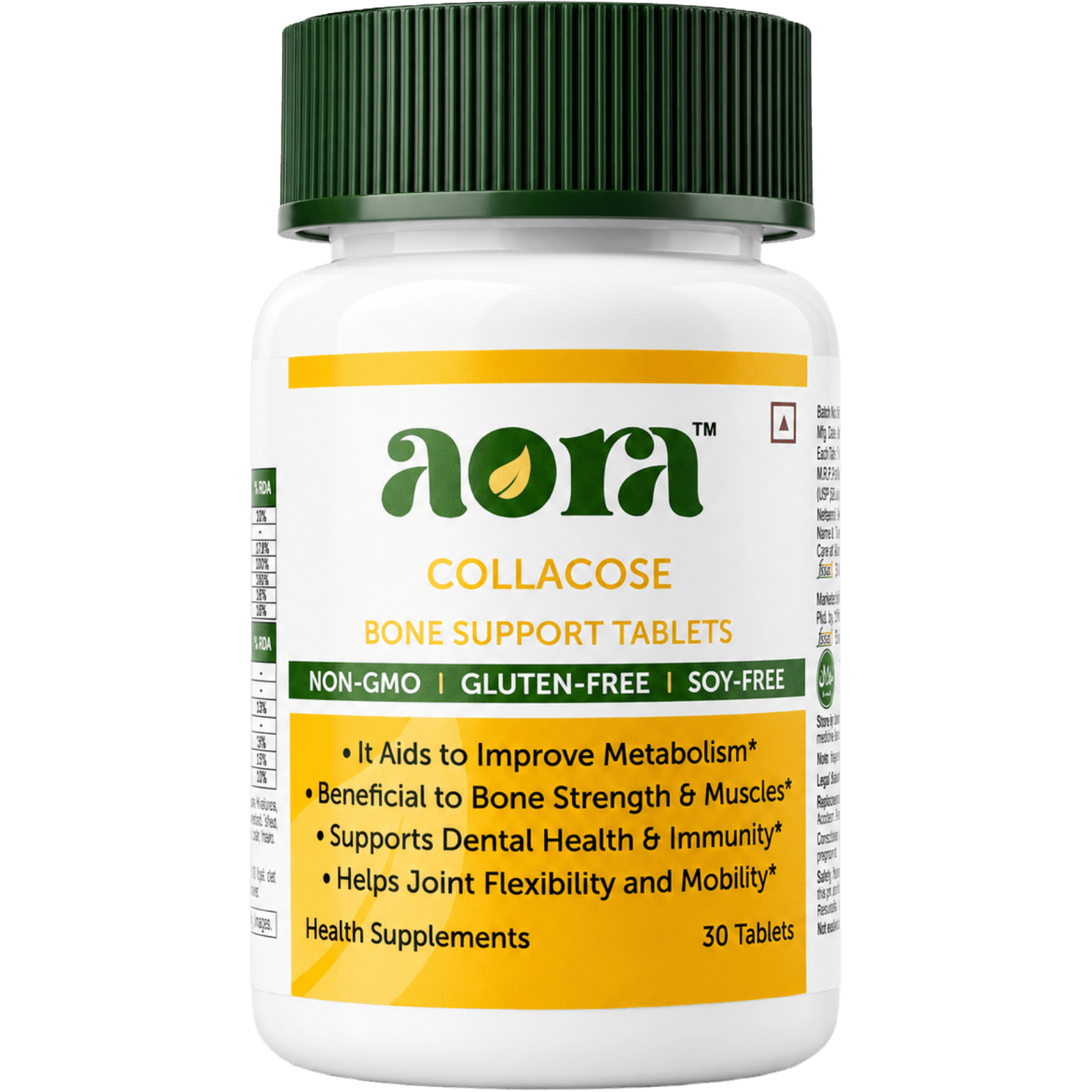 Out of stockBone Support
Glucosamine & MSM | Collagen Type II, Vitamin D3 & K2-7

Creatine is everywhere now. Learn what research shows on safety, kidneys, hair, women, older adults and the brain. Plus how much to take.
Read article
Handfuls of hair in the shower months after dengue or a viral fever? Why it happens, how long it lasts and what actually helps it grow back.
Read article
Vitamin D, B12, ferritin and haemoglobin on your checkup report, explained in plain words: what low means, why labs differ and when to see a doctor.
Read article
Glutathione tablets, drips, collagen drinks and vitamin C gummies promise glowing skin. See what the trials show and what to avoid.
Read article
Reaching for a pill after a big party? Which painkillers and medicines not to mix with alcohol and what really helps the morning after.
Read article
A production bug at 6 pm and your hand is already in the namkeen drawer. Follow the chain from cortisol to the reward system, short sleep and a desk full of snacks, then break it.
Read article
A plain guide to keratin: the layers of a hair strand, the sulphur bonds that make it strong and how nutrition builds new hair.
Read article
Inositol is the PCOS supplement everyone shares. Here is what trials found on ovulation, the 40 to 1 ratio claim and safety.
Read article
Smog particles stick to your hair and scalp every winter. What the research shows and the simple washing, covering and food habits that help.
Read article
The scale finally moved and now your hair is falling out. Here is why hair fall after weight loss happens, how long it lasts and what actually helps it grow back.
Read article
A multivitamin, magnesium, vitamin D and a few other products can quickly overlap. Here is how to check what you are actually taking and whether every product still has a reason to be there.
Read article
A monthly wellness routine does not need a long supplement stack. Use this practical check in to review your gut, hair, liver, energy, sleep and bone health before deciding what actually needs attention.
Read article
Hair growth supplements are most useful when a genuine nutritional gap is contributing to hair loss. Learn what the evidence says about biotin, iron, zinc and other nutrients.
Read article
Hair loss in men is often genetic, but stress, illness and deficiencies can cause shedding. Learn patterns, treatments and when to see a dermatologist.
Read article
Vitamin D deficiency can affect bones and muscles. Learn symptoms, risk factors, blood testing, treatment and why high doses need medical guidance.
Read article
Five practical bone density exercises for adults over 50, with safe ways to progress, improve balance and support stronger bones at home.
Read article
Comparing a supplement for cholesterol, blood pressure or general heart support? Check these eight red flags before you buy, especially if you take regular medicines.
Read article
Iron deficiency begins when stored iron runs low, sometimes before haemoglobin falls enough for anaemia to develop. Fatigue, weakness, headaches and poor concentration may occur, but these symptoms have many causes.
Read article
Male pattern hair loss is the most common cause of hair loss in men. It usually develops gradually at the temples and crown and is driven by genetics and sensitivity to DHT.
Read article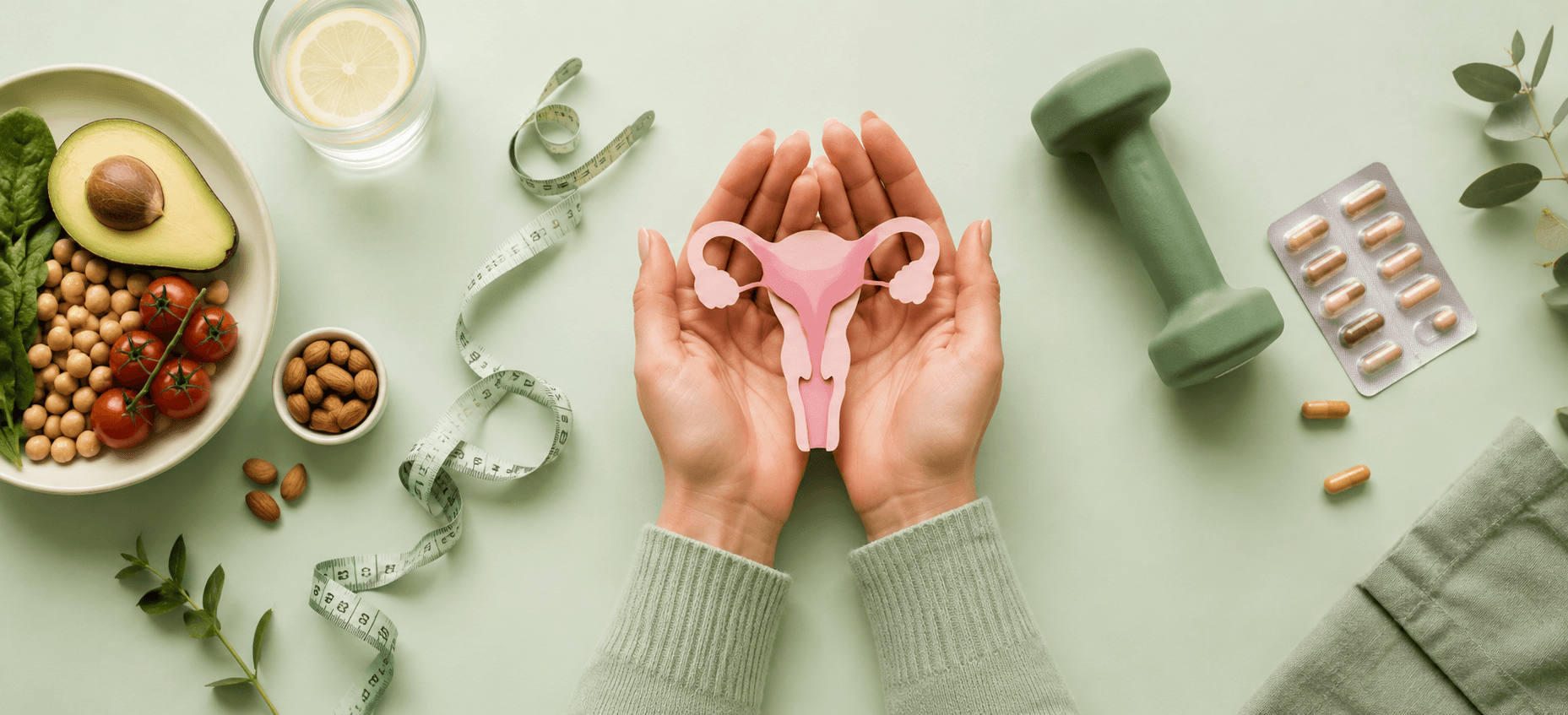
PCOS, now also called Polyendocrine Metabolic Ovarian Syndrome or PMOS, affects reproductive and metabolic health. Insulin resistance is common but not universal.
Read article
Poor sleep, irregular meals, long sitting, stress and supplement stacking can add up. Learn which unhealthy daily habits are worth reviewing first.
Read article
These 7 everyday habits may affect energy, digestion, sleep and overall wellbeing. Learn what to spot and how to reset your routine.
Read article
Try 9 simple balance exercises for older adults to improve stability, confidence and fall prevention, with safety tips and easy progressions.
Read article
Hair fall in women is often shedding, not loss. Learn the iron, vitamin D, thyroid, postpartum and PCOS factors worth checking with a clinician.
Read article