
Iron Deficiency in Women: Symptoms, Causes and When to Get Tested
Iron deficiency begins when stored iron runs low, sometimes before haemoglobin falls enough for anaemia to develop. Fatigue, weakness, headaches and poor concentration may occur, but these symptoms have many causes.

In this article(15 sections)
- What does iron deficiency in women actually mean?
- What causes iron deficiency in women?
- Heavy periods
- Pregnancy and childbirth
- Diet, absorption and other blood loss
- What are the symptoms of low iron in women?
- When should you get tested for iron deficiency?
- Full blood count
- Ferritin and other iron tests
- Can food help improve low iron?
- Should you take iron without testing?
- What happens if tests confirm low iron?
- When should you get urgent medical help?
- Related Articles
- Sources
You may be sleeping for eight hours and still feel as though you are dragging a weight through the day. Headaches keep returning, stairs leave you breathless or concentration feels harder than usual. Iron deficiency in women is one possible reason, especially if you have heavy periods, recently had a baby or eat very few iron-rich foods. But tiredness alone cannot confirm low iron, which is why symptoms, risk factors and the right blood tests all matter.
What does iron deficiency in women actually mean?
Iron deficiency begins when the body’s iron stores become depleted. This can happen before haemoglobin falls enough for anaemia to develop. A clinical review by Balendran and Forsyth explains why haemoglobin alone can miss iron deficiency before anaemia appears.
Iron deficiency without anaemia: Iron stores are low, but haemoglobin may still be within the normal range.
Iron-deficiency anaemia: Iron depletion has progressed far enough to reduce haemoglobin and affect normal red blood-cell production.
Ferritin is commonly used as a marker of stored iron. The World Health Organization (WHO) considers ferritin useful for assessing iron stores, but it can rise during infection or inflammation, so the result needs to be interpreted in context.
What causes iron deficiency in women?

Being a woman does not automatically mean you will develop iron deficiency. Risk rises when iron losses or requirements become greater than the amount your body absorbs.
Heavy periods
Heavy menstrual bleeding is one of the most important causes. The American College of Obstetricians and Gynecologists (ACOG) notes that bleeding lasting more than seven days, soaking through pads or tampons very quickly, needing more than one menstrual product at a time or passing large clots can be signs of heavy menstrual bleeding. A 2023 review by Munro and colleagues describes the close relationship between heavy menstrual bleeding, iron deficiency and iron-deficiency anaemia.
Pregnancy and childbirth
Pregnancy increases iron requirements because the body makes more blood while also supporting the placenta and developing baby. The World Health Organization recommends daily oral iron and folic acid supplementation as part of antenatal care in many settings. Blood loss during childbirth can reduce iron stores further.
Diet, absorption and other blood loss
Other causes include eating too few reliable iron sources, coeliac disease, inflammatory bowel disease, previous stomach or intestinal surgery, frequent blood donation, recent surgery and slow blood loss from the digestive tract. If tests confirm low iron, replacing it is only part of the job. The reason it became low also needs to be understood.
What are the symptoms of low iron in women?
Early iron deficiency may cause no obvious symptoms. As iron stores fall, some people notice persistent tiredness, lower stamina, headaches or difficulty concentrating. Once anaemia develops, breathlessness, dizziness and a racing heartbeat may become more noticeable.
Possible symptoms include:
Persistent fatigue or weakness
Reduced stamina
Breathlessness or a racing heartbeat
Headaches, dizziness or light-headedness
Difficulty concentrating or “brain fog”
Diffuse hair shedding or brittle nails
Pica, including an urge to chew ice, clay or other non-food substances
Restless legs, a sore tongue or cracks at the corners of the mouth
These symptoms are not specific to iron deficiency. Poor sleep, thyroid disorders, vitamin B12 deficiency, infection and other conditions can cause similar problems. Severe breathlessness, chest pain or fainting needs urgent medical attention.
When should you get tested for iron deficiency?
Testing is worth discussing when persistent tiredness occurs alongside heavy periods, pregnancy or recent childbirth, a restricted diet, repeated blood donation, digestive symptoms or another risk factor for iron loss or poor absorption.
Full blood count
A full blood count (FBC) checks haemoglobin and other red-cell measurements. It can show whether anaemia is present, but normal haemoglobin does not rule out early iron deficiency. The National Institute for Health and Care Excellence (NICE) recommends a full blood count for women with heavy menstrual bleeding.
Ferritin and other iron tests
Serum ferritin is commonly used when iron deficiency is suspected because it reflects stored iron. Ferritin can be affected by inflammation or infection, so it should not always be read on its own. Transferrin saturation may provide extra information when ferritin is difficult to interpret. NICE does not recommend routine ferritin testing for every woman with heavy menstrual bleeding. The exact tests depend on your symptoms, history and why iron deficiency is suspected.
Can food help improve low iron?
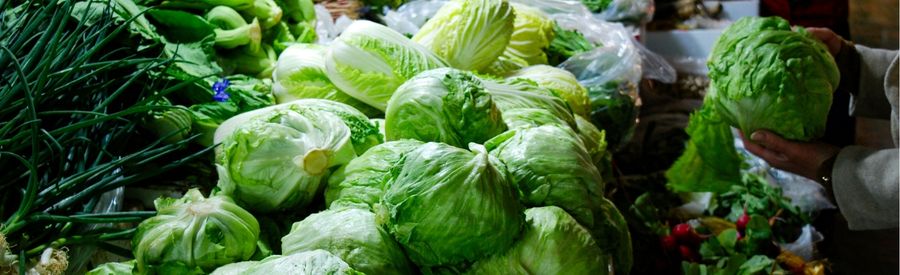
Iron-rich foods are important for preventing deficiency and supporting recovery, but diet alone may not be enough once iron stores are substantially depleted or iron-deficiency anaemia has developed. Haem iron from meat, poultry and fish is generally absorbed more readily. Non-haem iron comes from foods such as lentils, rajma, chana, tofu, leafy vegetables, pumpkin seeds and fortified foods. The National Institutes of Health (NIH) Office of Dietary Supplements notes that vitamin C can improve non-haem iron absorption. Simple combinations include dal with lemon, chana with tomatoes or capsicum, or fruit such as guava or orange alongside a meal. Tea and coffee contain polyphenols that can reduce non-haem iron absorption when taken with a meal. In a controlled trial in healthy women, drinking tea one hour after an iron-containing meal reduced this effect compared with drinking tea with the meal. You do not need to stop tea or coffee completely, but timing can matter if your iron is low.
Should you take iron without testing?
Do not start a high-dose iron supplement simply because you feel tired. The National Institutes of Health Office of Dietary Supplements notes that supplemental iron can cause nausea, constipation and abdominal discomfort, while excessive intake can cause more serious harm. Self-treatment can also delay investigation of heavy menstrual bleeding, digestive blood loss, poor absorption or another cause of fatigue. There are situations where iron is routinely recommended, including pregnancy or recognised public-health programmes, but those recommendations should be followed as directed.
What happens if tests confirm low iron?
Treatment depends on how low your iron is and why it became low. A doctor may recommend dietary changes, prescribe oral iron, investigate heavy menstrual bleeding or look for a condition affecting absorption or causing blood loss. Follow-up blood tests may be used to check whether haemoglobin and iron stores are recovering. Do not stop prescribed treatment as soon as you feel better unless advised, because symptoms can improve before iron stores are fully replenished.
When should you get urgent medical help?
Seek urgent medical care for chest pain, severe breathlessness or breathlessness at rest, fainting, a very fast or irregular heartbeat with weakness or dizziness, black or bloody stools, or extremely heavy bleeding that is difficult to control. Arrange a medical appointment promptly if fatigue continues for several weeks, your periods become much heavier, you feel persistently dizzy or you develop pica.
Related Articles
Sources
World Health Organization: Guideline on ferritin concentrations and iron status
American College of Obstetricians and Gynecologists: Heavy Menstrual Bleeding
National Institute for Health and Care Excellence: Heavy menstrual bleeding
National Institutes of Health Office of Dietary Supplements: Iron
Balendran S, Forsyth C. Non-anaemic iron deficiency. Australian Prescriber. 2021.
Medical Disclaimer: This article is for general educational purposes only and should not replace professional medical advice, diagnosis or treatment. If you have persistent fatigue, heavy menstrual bleeding, breathlessness, dizziness or think you may have iron deficiency, speak with a qualified healthcare professional for appropriate testing and treatment.
Continue this topic
Connected guides, ingredient explainers, product context, and tools chosen from this article's topic cluster.
Iron tablets making you sick or constipated? How to time them, what to keep away, what black stools mean and when to recheck your haemoglobin.
Vitamin D, B12, ferritin and haemoglobin on your checkup report, explained in plain words: what low means, why labs differ and when to see a doctor.
Home LH strips are everywhere. When to start testing, how to read the lines, why PCOS can confuse results and what trials show.
Quick questions
What are the first signs of iron deficiency in women?
Early deficiency may cause no obvious symptoms. As iron stores fall, some people notice persistent tiredness, weakness, headaches, reduced stamina or difficulty concentrating.
Can you have iron deficiency without anaemia?
Yes. Ferritin can fall before haemoglobin does, so iron stores may be low even when a standard blood count does not show anaemia.
Does a normal haemoglobin result rule out low iron?
No. A doctor may check ferritin and other iron markers when symptoms or risk factors suggest that iron stores could be low.
Can heavy periods cause low iron?
Yes. Repeated heavy menstrual bleeding can gradually reduce iron stores and may lead to iron-deficiency anaemia. The cause of the bleeding also needs investigation.
Can iron deficiency cause hair loss?
Low iron may be considered during an assessment for diffuse hair shedding, but it is only one possible cause.
Should I take iron tablets without a blood test?
Do not start high-dose iron simply because you feel tired. An exception may apply when iron has been recommended during pregnancy, after childbirth or through a recognised public-health programme.
13 linked sources checked against our citation and claim-safety process.
Reviewed 19 Aug 2026 for supplement-claim and medical-disclaimer boundaries.
Recommended from the Aora range
Aora Nutrivit Plus
19 Essential Nutrients with Zinc, Magnesium and Vitamins B Complex, C and D3
- Multivitamin
- Daily Foundation
- Made in India
From₹690.00
Try Aora - free
Put this article to work on you.
Health and safety notice
- This article is educational. It is not medical advice and is not a substitute for guidance from a qualified healthcare provider. Consult a physician before starting any supplement, especially during pregnancy or breastfeeding, with a medical condition, or while on medication.
- FSSAI compliance: Health supplements and nutraceuticals are not intended for medicinal use. Any supplement-related information is provided to describe nutritional or physiological support and should not be interpreted as a claim to diagnose, treat, cure, or prevent any disease. FSSAI regulates health supplements and nutraceuticals separately from medicinal products.
Read our full medical disclaimer and editorial policy.
Sources and editorial standards
- 1A clinical review by Balendran and Forsyth
- 2World Health Organization (WHO)
- 3American College of Obstetricians and Gynecologists (ACOG)
- 42023 review by Munro and colleagues
- 5World Health Organization
- 6National Institute for Health and Care Excellence (NICE)
- 7National Institutes of Health (NIH) Office of Dietary Supplements
- 8controlled trial in healthy women
- 9National Institutes of Health Office of Dietary Supplements
- 10World Health Organization: Guideline on ferritin concentrations and iron status
- 11American College of Obstetricians and Gynecologists: Heavy Menstrual Bleeding
- 12National Institute for Health and Care Excellence: Heavy menstrual bleeding
- 13Fuzi SFA, et al. Tea timing and non-haem iron absorption. American Journal of Clinical Nutrition. 2017.
Supplement content is educational only and should not replace medical advice from a qualified clinician. Product mentions are reviewed for claim safety before publication.