Hangover Medicine: What Not to Take With Alcohol
Reaching for a pill after a big party? Which painkillers and medicines not to mix with alcohol and what really helps the morning after.

In this article(15 sections)
- Is there a hangover medicine that actually works?
- Why your head hurts so much
- What not to take with alcohol
- Paracetamol and your liver
- Ibuprofen, aspirin and your stomach
- Sleeping pills, anxiety tablets and sedating herbs
- Antihistamines and cold tablets
- Metformin and other diabetes medicines
- Other medicines worth checking
- What about your daily supplements?
- What actually helps the morning after
- When a hangover is not just a hangover
- Protecting your liver through party season
- The morning after
- Sources
Party season ran late all weekend. Now it is Monday morning. Your head is pounding and the meeting starts at ten. You open the kitchen drawer and look at the strip of paracetamol, the cold tablet left over from last month and the row of supplement bottles next to the chai masala. Before reaching for any hangover medicine, it helps to know what actually works and what might do more harm than good. Two things are worth knowing. First, no pill or drink has been shown to cure a hangover. Second, some common medicines can worsen certain symptoms or put extra strain on your liver, especially after drinking. To help you feel better, let's look at what to avoid and what actually helps.
Is there a hangover medicine that actually works?
You may have seen pills and powders claiming to cure a hangover, but is there anything that actually works? So far, research hasn't found a reliable hangover cure. A 2022 systematic review in the journal Addiction went through 21 placebo-controlled trials of hangover remedies with 386 people in total. A few products, such as clove extract, red ginseng and Korean pear juice, showed some benefit in single studies. However, the studies tested different treatments, making it difficult to compare their results. The researchers also rated the evidence for how well these treatments worked as very low quality, so there isn't enough reliable evidence to draw firm conclusions. The authors concluded that the evidence is too weak to recommend any of them.
The US National Institute on Alcohol Abuse and Alcoholism says the same in plain words on its hangover fact sheet: none of the remedies you see online or on social media has been proven to work. Only time helps. So no hangover kit, detox shot or morning-after capsule has proof behind it yet. Check the label of any you buy for paracetamol or other painkillers before you add a second tablet.
Why your head hurts so much
According to the NIAAA, a hangover comes from several things at once:
Mild dehydration: Alcohol blocks a hormone that tells your kidneys to hold on to water, so you pass more urine.
Broken sleep: You may fall asleep fast after drinking, but the sleep is fragmented and you wake early.
An irritated stomach: Alcohol increases acid and inflames the stomach lining.
Acetaldehyde: When your liver breaks down alcohol, it produces a toxic, short-lived compound called acetaldehyde.
A small rebound: The calm you felt while drinking flips into restlessness and anxiety as it wears off.
The same fact sheet notes that symptoms peak when your blood alcohol level falls back to about zero. They can last 24 hours or more.
What not to take with alcohol
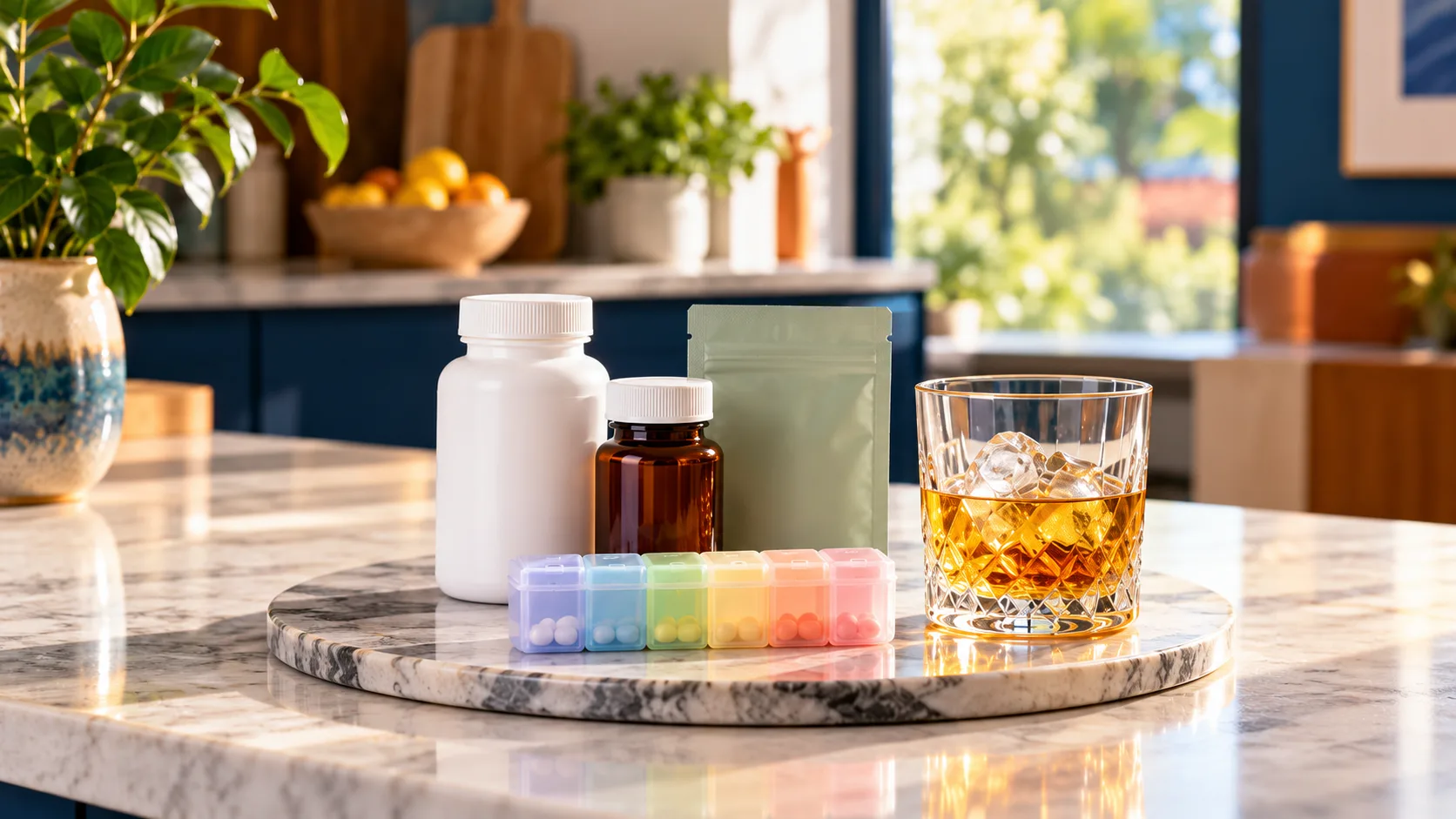
The NIAAA keeps a long list of medicines that interact with alcohol. These are the ones Indian households are most likely to have at home.
Paracetamol and your liver
Paracetamol (sold as Crocin, Dolo and many others) is the tablet most of us reach for first. Your liver processes both paracetamol and alcohol. The NIAAA warns that some people take paracetamol before bed to dodge a hangover and that this combination can be toxic to the liver. The risk depends on how much and how often you drink. The NHS says most adults can eat and drink normally, including alcohol, when taking paracetamol. It also says paracetamol may not be suitable if you binge drink or depend on alcohol. MedlinePlus is stricter: do not take it if you have three or more drinks every day and never go above 4,000 mg a day from all sources.
That phrase ‘from all sources’ is where people slip. Many cold and flu tablets, headache combinations and period pain pills already contain paracetamol. Take one of those plus a Dolo for the headache and you can double up without noticing. After a weekend of heavy drinking, read every label and keep to the lowest dose that eases the pain. Do not take paracetamol in advance before going to sleep drunk.
Ibuprofen, aspirin and your stomach
Ibuprofen, aspirin, naproxen and diclofenac belong to a group called NSAIDs (pain relievers that also reduce swelling). Alcohol already raises stomach acid. The NIAAA notes that these painkillers do the same and can irritate the stomach lining. Together they raise the risk of stomach upset, bleeding and ulcers. If you already have acidity or a burning stomach after the party, an NSAID on an empty stomach is a poor choice. If you must take one, take it after food and do not combine two kinds.
Sleeping pills, anxiety tablets and sedating herbs
Alcohol is a sedative. So are sleeping pills such as zolpidem, anxiety medicines such as alprazolam and clonazepam and many strong pain medicines. The NIAAA lists drowsiness, slowed breathing, memory problems and a higher risk of overdose when these meet alcohol. The same list includes herbs such as valerian and lavender, which can increase drowsiness. Kava is flagged for liver damage. If you usually take valerian or another sedating herbal blend at night, skip it on a night you have been drinking. If you take any prescribed sedative, ask your doctor how long to leave between a drink and your dose.
Antihistamines and cold tablets
Older antihistamines such as chlorpheniramine, diphenhydramine and hydroxyzine make you sleepy on their own. Cetirizine and loratadine appear on the NIAAA list too. With alcohol the drowsiness and dizziness get stronger. Many combination cold tablets contain both an antihistamine and paracetamol, which gives you two of the problems above in one pill.
Metformin and other diabetes medicines
MedlinePlus says drinking while on metformin raises the risk of lactic acidosis (a dangerous build-up of acid in the blood) and can push blood sugar too low, especially after binge drinking. The NIAAA adds that several older diabetes tablets can cause very low blood sugar along with flushing, nausea and a racing heart. Low sugar after drinking can look like simply being drunk or hungover. Eat a proper meal with your drink, check your sugar if you have a meter and ask your doctor how much alcohol is safe with your medicines.
Other medicines worth checking
The NIAAA list is long. It includes blood thinners such as warfarin, many antidepressants, some antibiotics such as metronidazole and tinidazole, blood pressure tablets and cholesterol medicines. If you take any regular medicine, have a quick word with your pharmacist or doctor before the season starts.
What about your daily supplements?
Everyday basics such as a multivitamin, vitamin D or a probiotic are not on the NIAAA list of risky combinations. The problem is more often what sits next to them in the drawer: a sedating herbal sleep blend, a kava product or a ‘liver detox’ mix with a long list of herbs you cannot check.
Also read this article on how to audit your supplement routine. It walks through how to spot overlaps and products you do not need.
What actually helps the morning after
There is no shortcut, but these make the wait easier.
Drink water slowly through the morning. Plain water, coconut water or nimbu pani can all help. The NIAAA notes that research has not linked electrolyte disruption to how bad a hangover feels. It adds that in most people the body quickly restores electrolyte balance once the effects of alcohol wear off, so expensive sachets or IV drips are not needed.
Eat something simple. Toast, khichdi, idli, curd rice or a banana are easy on an irritated stomach. Avoid oily food or a strong black coffee on an empty stomach.
Sleep if you can. Alcohol breaks up your sleep, so a nap or an early night can help you feel better. If you often wake at 3 am after drinking, our piece on why you keep waking up at night explains why.
Avoid drinking more alcohol to ease a hangover. The NIAAA explains that having another drink the next morning may temporarily reduce symptoms, but it can also make your hangover last longer.
Do not drive. Attention and coordination stay impaired during a hangover, even after the alcohol has left your blood.
If you need a painkiller, use the lowest effective dose of one product, read the label for hidden paracetamol and take it after food.
When a hangover is not just a hangover

A headache, nausea and tiredness after drinking can feel unpleasant, but some symptoms need more than rest and water. Drinking too much alcohol can lead to alcohol poisoning, a medical emergency that can affect breathing, consciousness and other vital functions. Knowing the warning signs could help you recognise when someone needs urgent medical attention. According to the National Institute on Alcohol Abuse and Alcoholism (NIAAA), signs of an alcohol overdose include:
Mental confusion or stupor
Difficulty staying conscious or being unable to wake up
Vomiting
Seizures
Slow breathing, fewer than 8 breaths per minute
Irregular breathing, with gaps of 10 seconds or more between breaths
Slow heart rate
Cold, clammy skin
Reduced protective reflexes, such as a weak or absent gag reflex
Very low body temperature, bluish skin or unusual paleness
If you suspect an overdose, call 112 straight away. Do not wait for the person to have all the symptoms. Do not leave them alone. This matters most when someone has taken sleeping pills or sedatives with alcohol. The NHS states that you should always get medical help if you are vomiting blood. Call 112 or go to the emergency department if you are vomiting blood and feel generally unwell, confused, faint or dizzy, have rapid or shallow breathing, cold, clammy, pale skin, tummy pain or black poo.
If you have been taking painkillers such as ibuprofen or aspirin, the NIDDK advises calling or seeing your doctor right away for signs of an ulcer complication: black or tarry stool or red or maroon blood in your stool, red blood in your vomit or vomit that looks like coffee grounds, sudden, sharp or severe belly pain that does not go away, feeling dizzy or fainting, a rapid pulse or other signs of shock, or a change in or worsening of ulcer symptoms.
If you have diabetes and signs of low blood sugar do not improve after a sugary snack, MedlinePlus advises calling 112 or getting a ride to the emergency room. Get medical help right away for anyone with low blood sugar who becomes less alert or cannot be woken up. If your skin or the whites of your eyes look yellow in the days after drinking, the NHS advises asking for an urgent GP appointment. You may also have itchy skin, darker pee and paler poo than usual.
Protecting your liver through party season
The NIAAA says there is no way to speed up the brain’s recovery from alcohol. What you can control is how much alcohol reaches your liver in a short time.
Space out party nights.
Alternate every drink with a glass of water and eat a real meal first.
Keep at least a few alcohol-free days every week through the season.
If you already have fatty liver, raised liver enzymes on a blood test or take medicines that affect the liver, the season matters more for you.
Also read: Can fatty liver be reversed? Find out which lifestyle changes can help reduce liver fat and improve liver health.
The morning after
Next time you open that kitchen drawer with a thumping head, read the strip before you press a tablet out. Pour a big glass of water, eat something plain and give yourself the slow morning your body is asking for.
Sources
Hangovers (National Institute on Alcohol Abuse and Alcoholism, 2025)
Acetaminophen (MedlinePlus, US National Library of Medicine)
Understanding the Dangers of Alcohol Overdose (National Institute on Alcohol Abuse and Alcoholism)
Medical Disclaimer: This article is for general information and is not a substitute for advice from your doctor. Speak to a qualified healthcare professional before starting any supplement, especially if you are pregnant, breastfeeding or taking medication.
Continue this topic
Connected guides, ingredient explainers, product context, and tools chosen from this article's topic cluster.
One line on your health checkup is in red: SGPT. Learn what a high SGPT means, the normal range, the most common causes and what to do next.
A raised SGPT or grade 1 fatty liver on your checkup report? Why the liver strains after 40 for men, which tests to ask for and what to change.
Free radicals, oxidative stress and the antioxidants your body makes and eats, explained simply with an Indian plate that covers the bases.
Quick questions
Can I take paracetamol for a hangover?
The NHS says most adults can drink alcohol while taking paracetamol, but it may not be suitable if you binge drink or depend on alcohol. MedlinePlus says not to take it if you have three or more drinks every day. Never take it before bed while still drunk and check other tablets for hidden paracetamol.
How long does a hangover last?
Symptoms usually peak once your blood alcohol falls close to zero. They can last 24 hours or longer. Water, simple food and sleep make the wait easier but nothing shortens it much.
Is it safe to take Dolo 650 after drinking alcohol?
Dolo 650 is paracetamol, so the same cautions apply. It may not be suitable after binge drinking or if you depend on alcohol. Do not take it if you have three or more drinks every day or before bed while still drunk. If you have liver disease, ask a doctor or pharmacist first.
Do detox drinks and hangover pills work?
No product has good evidence behind it. A review of 21 placebo-controlled trials found only very low quality evidence for any hangover remedy. Your body clears alcohol at its own pace and time is the only reliable cure.
When should I see a doctor after drinking?
Call 112 straight away for signs of alcohol overdose, which the NIAAA lists as confusion or stupor, difficulty staying conscious or being unable to wake up, vomiting, seizures, slow or irregular breathing, slow heart rate, clammy skin, dulled responses such as no gag reflex, or very low body temperature, bluish skin or paleness. Always get medical help for vomiting blood. If your skin or the whites of your eyes look yellow, the NHS advises an urgent GP appointment.
10 linked sources checked against our citation and claim-safety process.
Reviewed 20 Oct 2026 for supplement-claim and medical-disclaimer boundaries.
Recommended from the Aora range
Aora Silybeet
Milk Thistle with N-Acetyl Cysteine, Beetroot & Dandelion Root
- Liver Support
- Made in India
From₹1,400.00
Try Aora - free
Put this article to work on you.
Health and safety notice
- This article is educational. It is not medical advice and is not a substitute for guidance from a qualified healthcare provider. Consult a physician before starting any supplement, especially during pregnancy or breastfeeding, with a medical condition, or while on medication.
- FSSAI compliance: Health supplements and nutraceuticals are not intended for medicinal use. Any supplement-related information is provided to describe nutritional or physiological support and should not be interpreted as a claim to diagnose, treat, cure, or prevent any disease. FSSAI regulates health supplements and nutraceuticals separately from medicinal products.
Read our full medical disclaimer and editorial policy.
Sources and editorial standards
- 12022 systematic review in the journal Addiction
- 2hangover fact sheet
- 3medicines that interact with alcohol
- 4eat and drink normally, including alcohol, when taking paracetamol
- 5do not take it if you have three or more drinks every day
- 6metformin raises the risk of lactic acidosis
- 7National Institute on Alcohol Abuse and Alcoholism (NIAAA)
- 8vomiting blood
- 9ulcer complication
- 10urgent GP appointment
Supplement content is educational only and should not replace medical advice from a qualified clinician. Product mentions are reviewed for claim safety before publication.