Liver Health for Men Over 40: Checks and Habits That Matter
A raised SGPT or grade 1 fatty liver on your checkup report? Why the liver strains after 40 for men, which tests to ask for and what to change.

In this article(11 sections)
- Why do liver problems rise in men after 40?
- Belly fat and fatty liver
- Men are at higher risk than women of the same age
- Alcohol, including social drinking
- Diabetes and prediabetes
- Medicines and self-chosen mixes
- Which liver tests should you ask for?
- What do the results mean for you?
- Habits that help
- Red flags that need urgent or emergency care
- Sources
You are 42 and it's time for your annual health checkup. You feel fine, so you are not expecting anything unusual. But when the reports arrive a couple of days later, one number catches your attention. Your SGPT (ALT) level is slightly high, and the ultrasound mentions "grade 1 fatty liver". You haven't noticed any symptoms, so what does this actually mean? For many men, liver problems can develop quietly, without obvious warning signs. That's why liver health for men over 40 deserves attention, even when you feel perfectly healthy. Factors such as weight, alcohol intake, diet, physical activity and conditions like diabetes can all affect how well your liver functions. The good news is that there are steps you can take to look after your liver. Understanding what your test results mean, which checks may be useful and what changes to make in your daily routine is a good place to start.
Why do liver problems rise in men after 40?
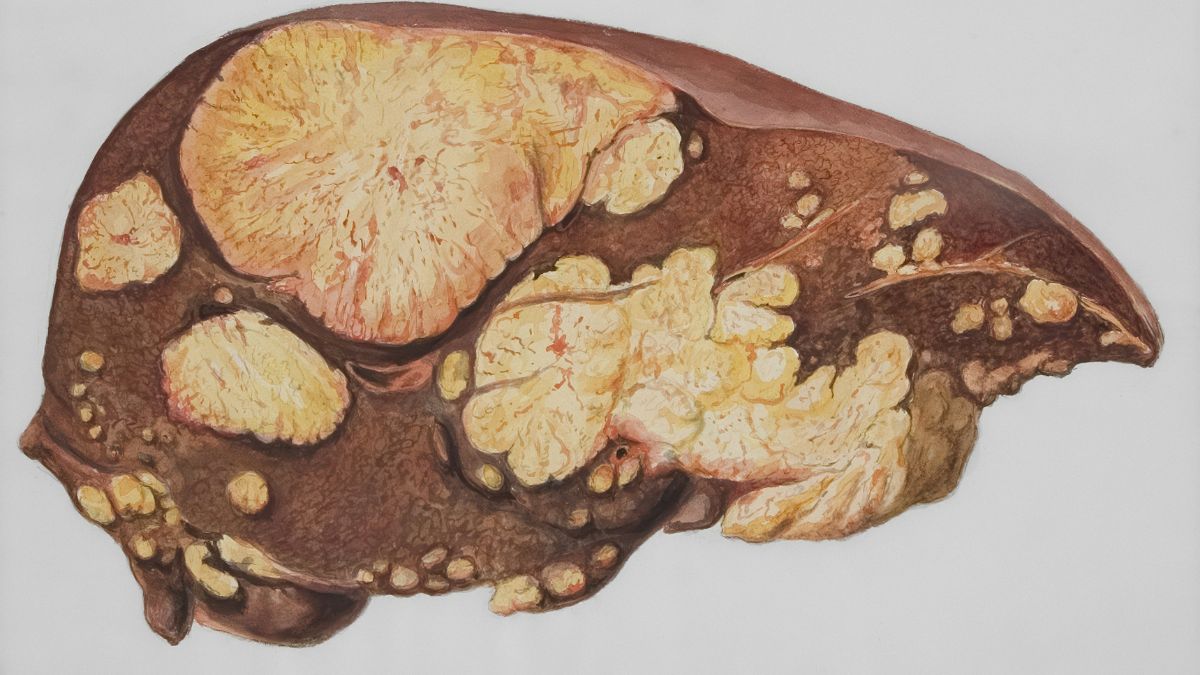
The liver handles almost everything you eat, drink and swallow. It stores energy, processes fats, makes proteins and clears medicines and alcohol. By the time you reach your forties, years of small loads may have built up. Several of them can arrive together in men.
Belly fat and fatty liver
Fatty liver means extra fat has built up inside liver cells. It is common in India. A review of 50 Indian studies concluded that about one in three adults or children in India have fatty liver, about 28% in average-risk groups and over 50% in higher-risk groups. Weight can settle around the waist even when the scale looks normal. The paunch that slowly grows from desk work, late dinners and weekend biryani is part of the picture too, since a large waist is one of the traits of metabolic syndrome. The US National Institute of Diabetes and Digestive and Kidney Diseases lists overweight, insulin resistance, type 2 diabetes and abnormal blood fats among the conditions that make fatty liver more likely.
Men are at higher risk than women of the same age
A review of sex differences in fatty liver found that its prevalence and severity are higher in men than in women during the reproductive years. After menopause it becomes more common in women, which suggests oestrogen offers some protection earlier in life. For a man in his forties, this means fatty liver is not only an old age problem.
Alcohol, including social drinking
Office parties, wedding season, cricket nights with friends: for many men, drinking becomes regular without ever feeling heavy. The US National Institute on Alcohol Abuse and Alcoholism explains that heavy drinking can lead to fatty liver, alcohol-related hepatitis, fibrosis and cirrhosis. Fibrosis is scarring. Cirrhosis is severe, long-standing scarring that changes how the liver works.
When alcohol meets a growing waistline, the two loads add up on the same organ.
Diabetes and prediabetes
Blood sugar problems can appear in the forties. They are closely tied to the liver. A global meta-analysis found that about 65% of people with type 2 diabetes had fatty liver disease. If your HbA1c is creeping up, your liver deserves a look as well.
Medicines and self-chosen mixes
By 40 many men take something regularly: a painkiller for back pain, a pill for blood pressure or cholesterol, a protein powder, a few herbal mixes picked up from a relative's advice. Many are safe when used as directed. Problems arise when doses are doubled, products overlap or nobody keeps track. Our guide on how to audit your supplement routine helps you list everything you take in one place.
Which liver tests should you ask for?

Fatty liver often develops without any noticeable symptoms. The NIDDK describes it as a silent disease, with few or no symptoms, even in some advanced cases. That means feeling healthy doesn't always tell you how your liver is doing. Blood tests and other checks can help identify problems that you might otherwise miss.
According to the NIDDK, doctors use several tests to check for fatty liver and assess liver health:
Blood tests: Higher levels of liver enzymes such as ALT and AST may suggest a liver problem, including fatty liver. A liver function test (LFT) commonly checks ALT, AST, ALP, bilirubin, albumin and total protein, and may also include GGT. On Indian lab reports, ALT is often listed as SGPT and AST as SGOT.
Ultrasound: An ultrasound can help detect fat in the liver, although it cannot reliably tell whether there is inflammation or how much scarring is present.
Tests for liver scarring: Doctors may use a score called FIB-4, calculated using your age and routine blood test results, to assess the likelihood of advanced scarring. If needed, they may recommend elastography, often called FibroScan, to measure liver stiffness.
Additional blood tests: Sometimes, raised liver enzymes have causes other than fatty liver. Your doctor may order further tests to rule out these conditions.
Type 2 diabetes and unhealthy cholesterol or triglyceride levels are also linked to a higher risk of fatty liver. If you haven't had them checked recently, ask your doctor whether a blood sugar test and lipid profile would be useful. When you get your report, look at the reference range printed beside each result, as ranges can differ between laboratories. A slightly raised liver enzyme level doesn't automatically mean something serious is wrong, but it shouldn't be ignored either. Your doctor can help you understand what the result means alongside your other tests and overall health.
What do the results mean for you?
If your report shows early fatty liver with mildly raised enzymes, this is a good stage to act. The NIDDK notes that losing at least 3% to 5% of body weight can reduce fat in the liver, while 7% to 10% may be needed to reduce inflammation and scarring. For a man weighing 85 kilos, 3% to 5% means about 2.5 to 4 kilos. The NIDDK also advises losing weight gradually, because rapid weight loss can make liver disease worse.
Our Aora article on whether fatty liver can be reversed goes deeper into what recovery looks like.
Habits that help

You don't need to change everything about your lifestyle overnight. Start with a few habits that fit into your routine and that you can stick with over time.
Work towards a healthier waistline. You don't have to give up rice or rotis. Start by adjusting your portions, cutting back on fried snacks with evening chai and having sweets less often. Small changes can make a difference over time.
Cut back on alcohol. Try drinking less often and setting limits before social gatherings. If you have liver disease, ask your doctor whether you need to avoid alcohol completely.
Find ways to move more. The NIDDK notes that physical activity can benefit people with fatty liver even without weight loss. Walking, cycling or playing badminton are all good options. You could start with a short walk after dinner. Our guide on walking after meals explains how this habit may help.
Include more protein and fibre in your meals. Foods such as dal, chana, rajma, paneer, eggs, fish, vegetables and whole grains can help you feel full for longer, making it easier to cut back on frequent snacking.
Choose water over sugary drinks more often. Colas, packaged juices and sweetened lassi can add a lot of sugar to your diet. Cutting back is a simple way to reduce your intake of added sugars.
Get enough sleep. Late nights can make you feel hungrier and leave you with less energy to exercise or prepare proper meals. Keeping a regular sleep schedule can make your other healthy habits easier to maintain.
Check your medicines and supplements. Tell your doctor about everything you take, including prescription medicines, over-the-counter products, supplements and herbal remedies. Some can affect the liver, so it's worth checking what is safe for you. Don't stop prescribed medicines without medical advice.
Red flags that need urgent or emergency care
Do not wait for the next annual checkup if your skin or the white part of your eyes look yellow. The NHS says to ask for an urgent doctor's appointment. You may also have itchy skin, darker pee and paler poo than usual. Call 112 or go to an emergency department if your poo has blood in it or is black, sticky and very smelly, or you are vomiting bright red blood or vomit that looks like ground coffee. These are on the NHS list of emergency signs, along with severe tummy pain, a tummy that is painful to touch and chest pain that started suddenly.
If you have been diagnosed with liver scarring (cirrhosis), the NHS also says to call 112 or go to an emergency department if you suddenly become confused or have slurred speech. It says to ask for an urgent appointment if you have difficulty breathing or a swollen tummy, legs, ankles or feet. If you take regular medicines for blood pressure, sugar or cholesterol, check with your doctor before adding any supplement.
That bold SGPT value in your inbox is not a verdict. It is an early message, sent in time for you to act on it. Walking a little more and drinking a little less this year gives you a better chance of a calmer report next November.
Sources
Medical Disclaimer: This article is for general information and is not a substitute for advice from your doctor. Speak to a qualified healthcare professional before starting any supplement, especially if you are pregnant, breastfeeding or taking medication.
Continue this topic
Connected guides, ingredient explainers, product context, and tools chosen from this article's topic cluster.
Reaching for a pill after a big party? Which painkillers and medicines not to mix with alcohol and what really helps the morning after.
One line on your health checkup is in red: SGPT. Learn what a high SGPT means, the normal range, the most common causes and what to do next.
Free radicals, oxidative stress and the antioxidants your body makes and eats, explained simply with an Indian plate that covers the bases.
Quick questions
Why are men over 40 more likely to have liver problems?
Belly fat, regular drinking, rising blood sugar and more daily medicines tend to build up by the forties. Fatty liver is also more common and more severe in men than in women before menopause.
Which liver tests should a man over 40 get?
The NIDDK says doctors use blood tests such as ALT and AST, imaging such as an ultrasound and, when scarring is a concern, scores from routine blood tests or a liver stiffness scan. Ask your doctor whether a sugar test and a lipid profile make sense too, since diabetes and abnormal blood fats make fatty liver more likely.
Is a slightly high SGPT dangerous?
A mildly raised SGPT is common and often linked to fatty liver, alcohol or medicines. It is a reason to see your doctor, who may repeat the test. Compare your result with the reference range printed on your own report.
How much weight loss helps fatty liver?
The NIDDK states that losing at least 3% to 5% of body weight can reduce fat in the liver. Losing 7% to 10% may be needed to reduce inflammation and scarring.
Should I check with a doctor before adding a supplement to my medicines?
Check with your doctor first if you take regular medicines for blood pressure, sugar or cholesterol. Bring a list of every tablet, powder and herbal product you use.
11 linked sources checked against our citation and claim-safety process.
Reviewed 14 Oct 2026 for supplement-claim and medical-disclaimer boundaries.
Recommended from the Aora range
Aora Silybeet
Milk Thistle with N-Acetyl Cysteine, Beetroot & Dandelion Root
- Liver Support
- Made in India
From₹1,400.00
Try Aora - free
Put this article to work on you.
Health and safety notice
- This article is educational. It is not medical advice and is not a substitute for guidance from a qualified healthcare provider. Consult a physician before starting any supplement, especially during pregnancy or breastfeeding, with a medical condition, or while on medication.
- FSSAI compliance: Health supplements and nutraceuticals are not intended for medicinal use. Any supplement-related information is provided to describe nutritional or physiological support and should not be interpreted as a claim to diagnose, treat, cure, or prevent any disease. FSSAI regulates health supplements and nutraceuticals separately from medicinal products.
Read our full medical disclaimer and editorial policy.
Sources and editorial standards
- 1review of 50 Indian studies
- 2overweight, insulin resistance, type 2 diabetes and abnormal blood fats
- 3its prevalence and severity are higher in men than in women during the reproductive years
- 4heavy drinking can lead to fatty liver, alcohol-related hepatitis, fibrosis and cirrhosis
- 5about 65% of people with type 2 diabetes had fatty liver disease
- 6NIDDK
- 7ALT, AST, ALP, bilirubin, albumin and total protein
- 8losing at least 3% to 5% of body weight can reduce fat in the liver
- 9NHS
- 10NHS
- 11NHS
Supplement content is educational only and should not replace medical advice from a qualified clinician. Product mentions are reviewed for claim safety before publication.