Can Fatty Liver Be Reversed? What the Evidence Says
Fatty liver can often improve, especially before advanced scarring develops. Here is what helps, what doctors look for and what “reversal” really means.
In this article(11 sections)
- What Is Fatty Liver?
- MASLD and MASH: What Is the Difference?
- Can Fatty Liver Be Reversed?
- Why Does Fat Build Up in the Liver?
- What Does Fatty Liver Feel Like?
- How Do Doctors Check for Fatty Liver?
- What Can You Do to Reduce Liver Fat?
- What About Alcohol?
- Are There Medicines for MASH?
- Can Supplements Reverse Fatty Liver?
- When Should You See a Doctor?
You can have fatty liver and feel absolutely fine. No pain, no obvious change in your day-to-day life, nothing that tells you your liver is storing more fat than it should. For many people, the first clue is an ultrasound, a routine blood test or a scan done for something else. Then comes the obvious question: can fatty liver be reversed? Often, it can improve, especially when it is detected before significant scarring has developed. What happens from there depends on how much fat is in the liver, whether there is inflammation or fibrosis and what is causing the fat to build up. Weight, blood sugar, cholesterol, blood pressure, physical activity and genetics can all have a part to play. Addressing these factors can reduce liver fat and, in some cases, help slow further liver damage.
What Is Fatty Liver?

The name is fairly literal. Fatty liver means there is too much fat stored inside liver cells. The medical terminology has changed in recent years. You may now see the broader term steatotic liver disease, which covers conditions in which excess fat is present in the liver. One of the main types is metabolic dysfunction-associated steatotic liver disease (MASLD). It refers to liver fat occurring alongside at least one cardiometabolic risk factor, such as excess abdominal weight, abnormal blood sugar, high blood pressure or abnormal blood lipids. And having fatty liver does not mean you feel unwell. Early disease can be completely silent and may only show up when you have blood work or imaging for another reason.
MASLD and MASH: What Is the Difference?
If you have been reading about fatty liver online, you may have noticed that NAFLD and NASH are gradually being replaced by MASLD and MASH. In 2023, major liver organisations updated the terminology. The American Association for the Study of Liver Diseases explains that non-alcoholic fatty liver disease, or NAFLD, is now referred to as metabolic dysfunction-associated steatotic liver disease, or MASLD, while non-alcoholic steatohepatitis, or NASH, is now called metabolic dysfunction-associated steatohepatitis, or MASH.
MASLD means there is excess fat in the liver along with metabolic risk factors.
MASH means there is liver fat plus inflammation and injury to liver cells.
You will still see NAFLD and NASH in older studies, medical records and health articles. They refer to the older terminology for the same disease spectrum.
Also read: Do Liver Supplements Work? Milk Thistle, NAC and What the Evidence Says
Can Fatty Liver Be Reversed?
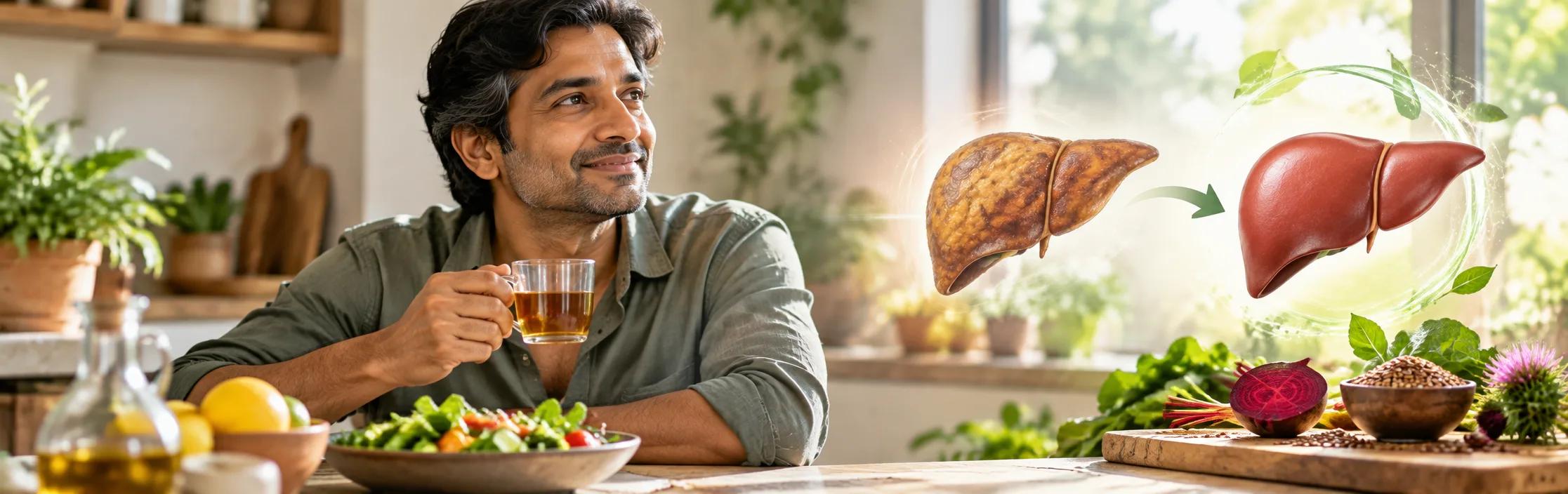
This depends on what is happening inside the liver. If there is fat but little or no significant inflammation or scarring, reducing liver fat can often improve the condition. Once inflammation and liver-cell injury are present, as in MASH, improvement is still possible, but the situation needs closer medical attention. Then there is fibrosis. This is when scar tissue begins to form in the liver. Fibrosis can sometimes regress when the underlying causes are treated successfully, although that does not mean every case of scarring can simply be undone. Cirrhosis is different. At this stage, extensive scarring has changed the structure of the liver. Treatment is mainly aimed at stopping or slowing further damage and dealing with complications. So, when someone asks, ‘Can fatty liver be reversed?’, the answer depends heavily on when you find it. Fat in the liver is one thing. Advanced scarring is another. Current AASLD guidance on MASLD places particular emphasis on identifying people at risk of clinically important fibrosis rather than relying only on the amount of fat seen in the liver.
Why Does Fat Build Up in the Liver?
There usually isn’t a single factor. MASLD is closely tied to the way the body handles blood sugar, fat and energy. Several things can increase the chances of developing it, including:
Insulin resistance
Type 2 diabetes
Excess abdominal weight
High triglycerides or other abnormal blood lipids
High blood pressure
Low levels of physical activity
A diet high in added sugars and heavily refined foods
Genetic factors
You can also have MASLD without having a higher body weight. A person can look slim and still have metabolic risk factors or excess fat in the liver. Body size alone therefore cannot tell you whether fatty liver is present.
What Does Fatty Liver Feel Like?
Sometimes, nothing at all. That is one reason fatty liver can go unnoticed for years. Some people may have tiredness or a vague ache in the upper-right part of the abdomen, but neither symptom points specifically to fatty liver. Things change when liver disease becomes advanced. Jaundice, significant abdominal swelling, confusion, vomiting blood, black stools or unusual bleeding need medical attention. These are not symptoms to watch at home while trying a new diet or supplement. They can occur with serious liver disease and need prompt assessment.
Also read: Can Your Feet Reveal Signs of Liver Problems? What Science Actually Says
How Do Doctors Check for Fatty Liver?
A single blood test cannot answer everything. A doctor may look at your medical history, blood tests, imaging and metabolic risk factors together.
Blood tests: ALT and AST are commonly checked when liver problems are suspected. They can be elevated in fatty liver, but a normal result does not rule out fatty liver or fibrosis. That matters because you can have liver fat or scarring even when your routine liver enzymes look normal.
Ultrasound and FibroScan: An ultrasound can show fat in the liver. It can be a useful first look, particularly when fatty liver is suspected for another reason. Transient elastography, commonly called a FibroScan, looks at liver stiffness. It can help doctors estimate whether fibrosis may be present.
FIB-4: You may also come across FIB-4, a calculation based on factors such as age, AST, ALT and platelet count. It is used to help identify people who may need further testing for advanced fibrosis. The AASLD describes FIB-4 as one of the most widely validated first-line tools for assessing the likelihood of advanced fibrosis. Depending on the result, a doctor may recommend another non-invasive test such as elastography. MRI-based tests or a liver biopsy are generally reserved for particular situations where the diagnosis or stage remains uncertain.
What Can You Do to Reduce Liver Fat?

You don't need to build your diet around one 'fatty liver' food, and a liver detox isn't a necessary part of treatment. What tends to matter more is the overall pattern of what you eat, how active you are and how well you manage the metabolic factors linked to MASLD. A few practical changes, kept up over time, can help reduce liver fat and support better liver health.
Lose weight gradually if you need to: For people who are overweight or obese, weight loss can reduce liver fat. The NIDDK notes that losing around 3% to 5% of body weight may reduce liver fat, while a loss of around 7% to 10% may be needed to reduce liver inflammation and fibrosis. That does not mean you need to crash-diet your way to a lower number. Slow, sustainable weight loss is the goal. Very rapid weight loss and inadequate nutrition can cause problems of their own and may worsen liver health.
Change the way you eat, not just the amount: You don’t need to survive on salads or buy a shelf full of detox products. A Mediterranean-style eating pattern is one approach that can work well. It typically includes vegetables, pulses, whole grains, fruit, nuts, seeds, fish and unsaturated fats, while limiting foods high in saturated fat, trans fat and added sugars. What matters most is whether you can keep doing it. A perfect diet followed for a month is less useful than a sensible one you can live with.
Move your body: Exercise can reduce liver fat even when you don't lose much weight. The NIDDK notes that physical activity can be beneficial even without weight loss. Around 150 minutes of moderate physical activity a week is a useful target for many adults. Strength training can also be included where appropriate. That does not mean you need to suddenly start training every day. Walking, cycling, swimming or regular strength sessions all count. If you have another health condition or mobility issue, your target should be adapted to you.
Keep blood sugar, cholesterol and blood pressure under control: MASLD often sits alongside other metabolic conditions. If you have diabetes, insulin resistance, high cholesterol or high blood pressure, managing those conditions is part of managing your liver as well. Treating one while ignoring the others misses a big part of what may be driving the liver fat.
What About Alcohol?
Alcohol is another piece of the puzzle because it can contribute to liver injury. How much is safe depends on the person and the type and severity of liver disease. If you have been diagnosed with fatty liver, tell your doctor honestly how much alcohol you drink. It helps them assess your situation properly and advise you about what is appropriate.
Are There Medicines for MASH?
There are now prescription treatments for selected people with MASH and significant fibrosis. In 2024, the US Food and Drug Administration approved resmetirom for adults with noncirrhotic MASH, then called NASH in the approval, with moderate to advanced fibrosis. The medicine is used alongside diet and exercise.
In 2025, the FDA also approved semaglutide for adults with noncirrhotic MASH and moderate to advanced liver fibrosis. That does not mean everyone with fatty liver needs medication. Treatment depends on the stage of disease, fibrosis, other medical conditions and the person's overall risk. These medicines need medical assessment and monitoring, and lifestyle changes remain an important part of care.
Can Supplements Reverse Fatty Liver?
A supplement can be marketed for 'liver support' without being a treatment for MASLD or MASH. There is limited evidence for many individual ingredients, and some supplements can interact with medicines or cause liver injury themselves. The NIH's LiverTox database documents cases of liver injury associated with herbal and dietary supplements, although the risk varies considerably between products and ingredients.
That is why supplements should not replace the things that are known to matter: managing weight where appropriate, staying active, eating well and treating conditions such as diabetes, high cholesterol and high blood pressure. If you already have liver disease, tell your doctor about the supplements you take before adding anything new.
Also read: Silymarin vs Milk Thistle: What’s the Difference?
When Should You See a Doctor?
If fatty liver has appeared on a scan, don't panic. But don't ignore it either. It is worth arranging follow-up if:
A scan has shown fatty liver
Your liver blood tests stay abnormal
You have type 2 diabetes or insulin resistance
You have several metabolic risk factors
Your doctor thinks you may have fibrosis
You want to know how advanced your liver disease is
Get urgent medical help if you develop jaundice, vomiting blood, black stools, confusion, marked abdominal swelling or severe weakness. Those symptoms can point to advanced liver disease or its complications.
Fatty liver is not always a permanent diagnosis. For many people, especially when there is liver fat without advanced scarring, changes in weight, food, activity and metabolic health can reduce the amount of fat in the liver and improve the outlook. But there is a big difference between early fatty liver, MASH, fibrosis and cirrhosis. 'Reversing fatty liver' means something very different at each stage. So if a scan has just told you that you have fatty liver, start by finding out why it happened and whether there is any fibrosis. That information is far more useful than jumping from one detox or supplement to another.
Medical Disclaimer: This article is for general educational purposes only and should not replace personalised medical advice, diagnosis or treatment. If you have abnormal liver tests, fatty liver on imaging, diabetes or symptoms of advanced liver disease, speak with a qualified healthcare professional. Seek urgent medical care for jaundice, confusion, vomiting blood, black stools or marked abdominal swelling.
Continue this topic
Connected guides, ingredient explainers, product context, and tools chosen from this article's topic cluster.
Milk thistle is the plant, while silymarin is a group of compounds found in its extract. Understanding that difference can make supplement labels much easier to compare.
Liver supplements are widely marketed for detox and liver support, but evidence varies by ingredient. Learn what research says about milk thistle, NAC, beetroot and dandelion, and what matters more for liver health.
Learn how the liver uses amino acids for protein metabolism and glutathione, whether supplements help, and where NAC may fit.
Quick questions
What is fatty liver?
Fatty liver means excess fat has accumulated in liver cells. The newer umbrella term is steatotic liver disease. MASLD refers to steatotic liver disease that occurs alongside at least one cardiometabolic risk factor, such as excess abdominal weight, abnormal glucose, high blood pressure or abnormal blood lipids.
Can fatty liver be reversed?
Yes, particularly when the condition is identified before advanced scarring develops. Simple steatosis can often improve when liver fat falls. MASH and early fibrosis may also improve with effective treatment, while established cirrhosis is generally considered permanent even though further damage and complications can be reduced.
What causes MASLD?
MASLD rarely comes from one food or one habit. It develops through a combination of insulin resistance, body-fat distribution, genetics, diet, activity and related health conditions.
Does fatty liver cause symptoms?
Most people have no specific symptoms in the early stages. Some report fatigue or mild discomfort in the upper right abdomen, but these symptoms have many other causes. Jaundice, abdominal swelling, confusion or easy bleeding can suggest advanced liver disease and need urgent assessment.
6 linked sources checked against our citation and claim-safety process.
Reviewed 24 Sept 2026 for supplement-claim and medical-disclaimer boundaries.
Recommended from the Aora range
Silybeet | Supports Liver Health & Natural Detoxification
Milk Thistle with N-Acetyl Cysteine, Beetroot & Dandelion Root
- Liver Support
- Made in India
From₹1,400.00
Try Aora - free
Put this article to work on you.
Health and safety notice
- This article is educational. It is not medical advice and is not a substitute for guidance from a qualified healthcare provider. Consult a physician before starting any supplement, especially during pregnancy or breastfeeding, with a medical condition, or while on medication.
- FSSAI compliance: Health supplements and nutraceuticals are not intended for medicinal use. Any supplement-related information is provided to describe nutritional or physiological support and should not be interpreted as a claim to diagnose, treat, cure, or prevent any disease. FSSAI regulates health supplements and nutraceuticals separately from medicinal products.
Read our full medical disclaimer and editorial policy.
Sources and editorial standards
- 1American Association for the Study of Liver Diseases
- 2AASLD guidance on MASLD
- 3AASLD
- 4NIDDK
- 5US Food and Drug Administration
- 6LiverTox database
Supplement content is educational only and should not replace medical advice from a qualified clinician. Product mentions are reviewed for claim safety before publication.