How to Support Liver Health After Diwali Without a Detox
Feeling heavy after Diwali? Learn how to support liver health with simple food and lifestyle habits, and why crash diets and detox cleanses aren't the answer.

In this article(13 sections)
- Does your liver need a detox after Diwali?
- Why do you feel heavy and tired after Diwali?
- Can eating too many sweets cause fatty liver?
- Can fatty liver improve with lifestyle changes?
- What should you eat after Diwali to support liver health?
- Return to simple, balanced meals
- Be mindful of sugary drinks and snacks
- Five everyday habits that support your liver
- Can juices, fasting or supplements support liver health?
- When should you see a doctor about your liver?
- A healthy routine is the best place to begin
- Sources and references
- Medical disclaimer
The celebrations are over, the mithai boxes are nearly empty and you're slowly getting back to your usual routine. After several days of sweets, rich meals, late dinners and less sleep than usual, you might feel heavier, bloated or unusually tired. Naturally, you start thinking about eating lighter, drinking more water or giving your body a fresh start. You may even wonder whether your liver needs some extra care after all that festive food. The good news is that supporting liver health after Diwali doesn't require drastic changes. Your liver already works around the clock, processing nutrients, breaking down substances such as alcohol and helping your body remove waste. What matters is giving it the right support through everyday habits. Here's what actually happens after festive eating, what science says about liver health and how to return to a balanced routine without unnecessary restrictions.
Does your liver need a detox after Diwali?
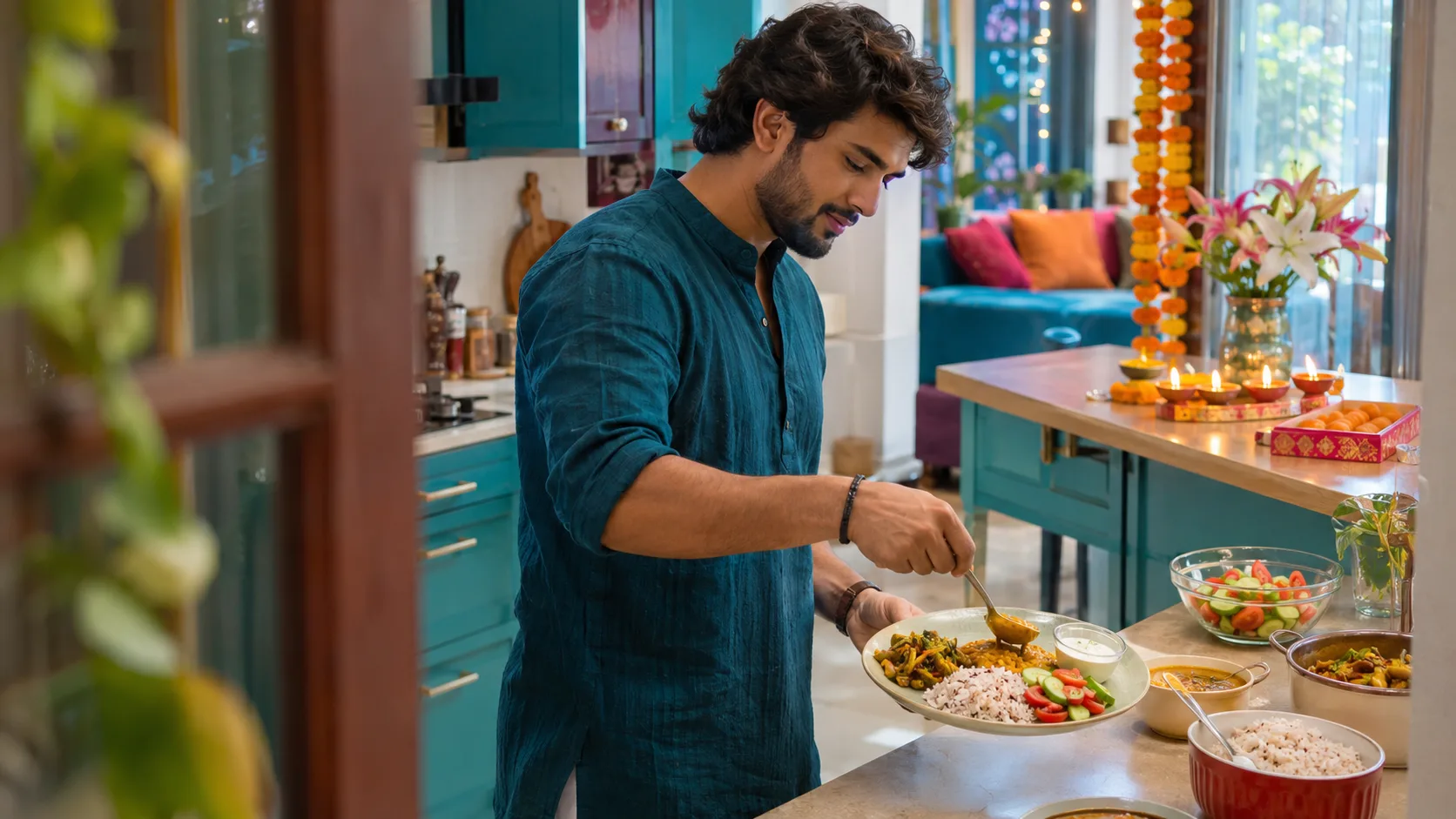
Your liver is one of the hardest-working organs in your body. It processes nutrients from food, stores energy, produces bile to help digest fats and breaks down substances such as alcohol and certain medicines. Much of the blood coming from your digestive system passes through the liver, where nutrients and other substances are processed before entering the rest of your circulation. This work continues throughout the day, whether you're eating a regular home-cooked meal or enjoying festive food.
According to Johns Hopkins Medicine, there isn't sufficient clinical evidence that liver cleanses can reverse the effects of overeating or alcohol consumption. This doesn't mean nutrition and liver-supporting habits are unimportant. A balanced diet, appropriate physical activity and careful use of medicines and supplements all contribute to long-term liver health. The important distinction is between supporting normal liver function and treating existing liver disease. The latter requires proper diagnosis and medical care.
Why do you feel heavy and tired after Diwali?
Think about how different your routine becomes during the festive season. Breakfast happens later than usual, lunch turns into a family gathering and dinner stretches well past your normal bedtime. Add sweets between meals, fried snacks and less time for exercise. It's understandable if you don't feel quite like yourself afterwards. However, feeling bloated, sluggish or unusually full doesn't automatically mean your liver is struggling. These symptoms may have more familiar explanations:
Larger meals: Rich or heavy meals can leave you feeling overly full and uncomfortable.
Frequent snacking: Eating throughout the day may mean you consume more than usual without noticing.
Interrupted sleep: Late nights can affect your energy, appetite and concentration the following day.
Less movement: Spending more time travelling, sitting or attending celebrations can temporarily change your activity levels.
Alcohol: Drinking may contribute to poor sleep, dehydration and digestive discomfort.
For many people, returning to their usual eating, sleeping and activity patterns is a sensible starting point. If symptoms continue, become severe or keep returning, speak to a doctor rather than assuming they're simply the result of festive food.
Can eating too many sweets cause fatty liver?
Fatty liver disease develops when excess fat accumulates inside liver cells. It is commonly associated with metabolic conditions such as insulin resistance, type 2 diabetes and excess weight around the waist. The condition previously called non-alcoholic fatty liver disease (NAFLD) is now commonly known as metabolic dysfunction-associated steatotic liver disease (MASLD) when the relevant metabolic criteria are met.
Eating sweets over a few festive days doesn't automatically mean you've developed fatty liver. Your longer-term eating habits, metabolic health, body composition and activity levels are more relevant to your overall risk. According to the National Institute of Diabetes and Digestive and Kidney Diseases (NIDDK), regularly consuming large amounts of added sugars, particularly from sweetened drinks, is one dietary concern for people with fatty liver.
Can fatty liver improve with lifestyle changes?
Yes. For many people, particularly those with excess body weight, gradual weight loss and regular physical activity can help reduce liver fat. The NIDDK explains that losing approximately 3% to 5% of body weight can reduce liver fat in people with fatty liver who are overweight. Greater weight loss, around 7% to 10%, may help improve liver inflammation and scarring. These are gradual treatment goals, not targets for the week after Diwali. They also don't mean everyone with fatty liver needs to lose the same amount of weight. The 2024 European clinical guidelines for MASLD recommend individualised lifestyle changes, including nutrition, physical activity and management of associated health conditions.
Also read: Can fatty liver be reversed?
What should you eat after Diwali to support liver health?

You don't need a completely new diet. Your regular Indian kitchen already has plenty of foods that can support a balanced eating pattern. After several days of rich meals and festive treats, focus on getting back to a comfortable routine with vegetables, protein, whole grains and suitable portions of carbohydrates.
Return to simple, balanced meals
Your meals don't need to be bland or restrictive. A few familiar combinations work well:
Breakfast: Vegetable poha with peanuts, or idli with sambar.
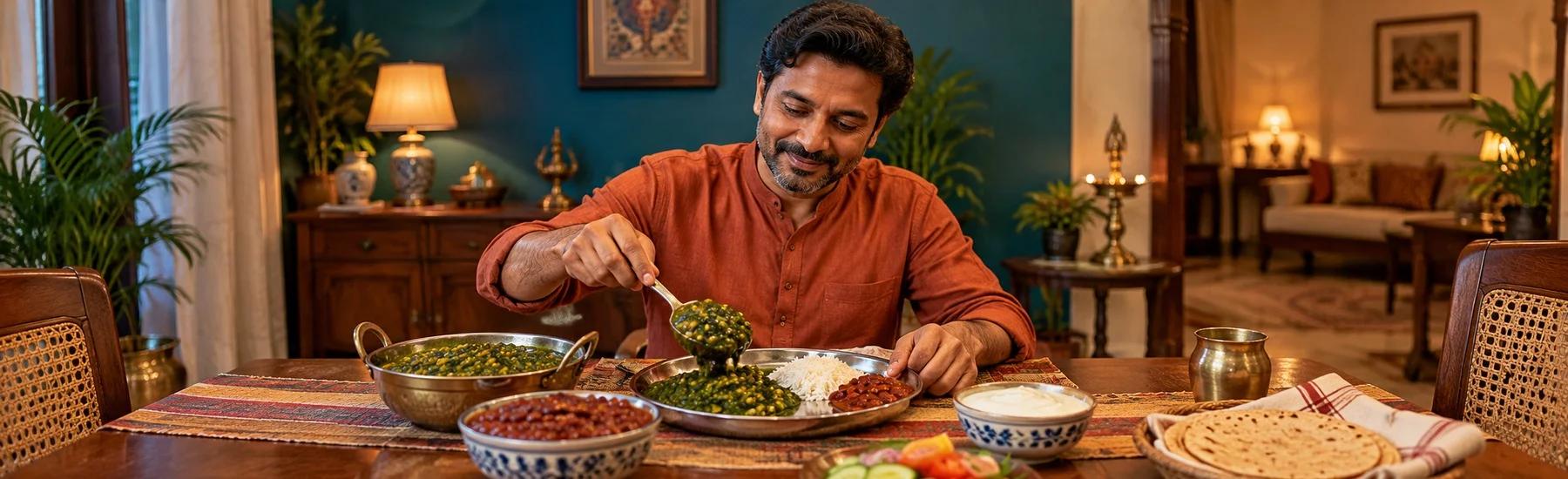
Lunch: Dal, sabzi, roti or rice, along with curd and salad.
Evening snack: Fresh fruit, roasted chana or a small handful of nuts.
Dinner: Vegetable khichdi with curd, or roti with dal and a cooked vegetable.
These are examples rather than a fixed meal plan. Choose portions and foods that suit your appetite, activity level and health needs. The NIDDK's dietary guidance recommends including vegetables, fruits, whole grains and healthier unsaturated fats while limiting excess added sugars and saturated fats when managing fatty liver. You don't need to stop eating rice or roti. The aim is to build a balanced plate and return to a pattern you can maintain.
Be mindful of sugary drinks and snacks
During celebrations, it's easy to have extra cups of sweet chai, packaged juices, soft drinks and sweets offered by friends and family. Once the festivities are over, return to water as your main drink and enjoy whole fruits more often than juice. You can also gradually reduce added sugar in your daily tea or coffee if needed. And there's no need to finish every leftover sweet immediately. Enjoy a reasonable portion when you feel like having one.
Also read: Choosing Sugar-Free Mithai This Diwali? Here's What Your Gut Wants You to Know
Five everyday habits that support your liver
Taking care of your liver is closely connected to taking care of your overall health. These five habits are a practical place to start.
Return to regular meals. Instead of skipping meals to compensate for festive eating, focus on balanced portions and a routine that suits your day. Regular meals can help you manage hunger and maintain adequate nutrition.
Move your body every day. A brisk walk, cycling, climbing stairs or returning to your usual workout can help. The CDC recommends at least 150 minutes of moderate physical activity each week for most adults, along with strength training on two days.
Get your sleep schedule back. After several late nights, try returning to consistent sleeping and waking times. Adequate sleep supports energy, appetite regulation and general metabolic health.
Limit or avoid alcohol. Your liver processes most of the alcohol you drink, and excessive consumption can cause liver injury. If you have fatty liver or another liver condition, speak to your doctor about whether you should avoid alcohol completely.
Use medicines and supplements appropriately. Follow prescribed doses and check with your healthcare professional before combining supplements or starting new products, particularly if you have a liver condition or take regular medication.
These changes aren't about correcting a few days of celebration. They're habits that contribute to better health throughout the year.
Can juices, fasting or supplements support liver health?
Juices, fasting routines and dietary supplements are often discussed in conversations about liver health. However, they work in different ways, and their potential benefits depend on the approach and the person using them. Fruit and vegetable juices can contribute certain vitamins and minerals to your diet, but they don't provide all the fibre and nutrients found in a balanced meal. Similarly, fasting may suit some people, while others may find regular meals easier to maintain. Its suitability depends on factors such as medical history, medication use and nutritional needs.
Also read: What Happens When You Fast?
Research into dietary supplements and plant-based ingredients is also ongoing. Some compounds have been studied for their possible effects on liver health, but findings for individual ingredients shouldn't automatically be taken as proof that a finished product can treat liver disease. The US National Center for Complementary and Integrative Health (NCCIH) reports that research on detoxification programmes is limited, with insufficient evidence to establish reliable toxin-removal or lasting weight-management benefits. This doesn't mean every juice, fasting approach or supplement is unsuitable. It means their purpose, ingredients, dose and supporting evidence should be considered individually. For people with diagnosed liver disease, these approaches should complement appropriate medical care rather than replace it.
When should you see a doctor about your liver?
You don't generally need a liver function test simply because you've enjoyed more sweets than usual during Diwali. However, liver problems can sometimes develop without noticeable symptoms. If you already have fatty liver, diabetes, abnormal liver blood tests or other risk factors, follow the testing and monitoring advice given by your doctor. According to the NHS, signs that deserve medical attention include:
Persistent tiredness or unusual weakness.
Unexplained loss of appetite or weight.
Frequent nausea or vomiting.
Ongoing itching.
Yellowing of the skin or whites of the eyes.
Yellow skin or eyes needs urgent medical assessment, as the NHS guidance on jaundice explains. Severe abdominal pain, vomiting blood or new confusion also warrants emergency medical attention. If your blood report shows raised liver enzymes, speak to your doctor about the possible causes and whether further testing is needed.
A healthy routine is the best place to begin
Diwali is a time for family, food and celebration. A few days of enjoying your favourite sweets and festive meals don't mean you need to make drastic changes afterwards. Instead, return to the habits that help you feel well: balanced meals, enough water, regular movement, good sleep and mindful choices around alcohol. Supporting liver health is about what you do consistently, not how strictly you eat for a few days after a festival.
Sources and references
Johns Hopkins Medicine: Detoxing Your Liver, Fact Versus Fiction. Liver function, liver cleanses and long-term liver health.
NIDDK: Eating, Diet and Nutrition for NAFLD and NASH. Dietary recommendations for fatty liver disease.
NIDDK: Treatment for NAFLD and NASH. Evidence for gradual weight loss and physical activity.
EASL-EASD-EASO Clinical Practice Guidelines, 2024. Clinical guidance on managing metabolic dysfunction-associated steatotic liver disease.
CDC: Physical Activity Guidelines for Adults. Weekly physical activity recommendations.
NCCIH: Detoxes and Cleanses, What You Need to Know. Current evidence and safety considerations.
NHS: Liver Disease. Common causes, symptoms and medical guidance.
NHS: Jaundice. Symptoms requiring urgent medical assessment.
Medical disclaimer
This article is for general information and educational purposes only. It does not replace professional medical advice, diagnosis or treatment.
If you have fatty liver disease, hepatitis, diabetes, abnormal liver function tests or another medical condition, consult your doctor before making significant dietary changes or starting supplements. Seek medical attention for persistent or concerning symptoms.
Continue this topic
Connected guides, ingredient explainers, product context, and tools chosen from this article's topic cluster.
Juice cleanses, detox teas, foot pads and post festival resets explained. How your liver clears toxins on its own and the habits that actually support it.
Your liver cleans your blood, stores sugar, makes bile and repairs itself. A simple, plain-language guide to how the liver works and how to look after it.
Your health check says grade 1 fatty liver. This guide shows what an Indian plate should look like, from dal and rice portions to chai, oil, fruit, coffee and alcohol.
Quick questions
Does your liver need a detox after Diwali?
Your liver naturally processes nutrients, alcohol, medicines and waste products. There is no established evidence that a short cleanse is necessary to restore liver function after festive eating. Balanced nutrition and healthy daily habits remain important.
What should you eat after Diwali for liver health?
Choose regular meals that include vegetables, dal, pulses, whole grains, fruits and suitable protein sources. Be mindful of added sugars and portion sizes. No single food is required to maintain normal liver function.
Can too many sweets cause fatty liver?
Eating sweets occasionally doesn't automatically cause fatty liver. However, consistently consuming excess calories and added sugars may contribute to weight gain and metabolic problems associated with fatty liver disease.
Is fasting necessary after festive eating?
No. Fasting isn't necessary to compensate for a few days of festive meals. Some fasting patterns may suit certain adults, but regular, balanced meals are also a healthy option. People with diabetes or other medical conditions should seek medical guidance before fasting.
Can fatty liver improve with lifestyle changes?
Yes. Balanced nutrition, physical activity and gradual weight loss, when appropriate, can help reduce liver fat. The results depend on the cause and severity of the condition, so people with diagnosed fatty liver should follow an individual treatment plan.
8 linked sources checked against our citation and claim-safety process.
Reviewed 4 Nov 2026 for supplement-claim and medical-disclaimer boundaries.
Recommended from the Aora range
Aora Silybeet
Milk Thistle with N-Acetyl Cysteine, Beetroot & Dandelion Root
- Liver Support
- Made in India
From₹1,400
Try Aora - free
Put this article to work on you.
Health and safety notice
- This article is educational. It is not medical advice and is not a substitute for guidance from a qualified healthcare provider. Consult a physician before starting any supplement, especially during pregnancy or breastfeeding, with a medical condition, or while on medication.
- FSSAI compliance: Health supplements and nutraceuticals are not intended for medicinal use. Any supplement-related information is provided to describe nutritional or physiological support and should not be interpreted as a claim to diagnose, treat, cure, or prevent any disease. FSSAI regulates health supplements and nutraceuticals separately from medicinal products.
Read our full medical disclaimer and editorial policy.
Sources and editorial standards
- 1Johns Hopkins Medicine
- 2National Institute of Diabetes and Digestive and Kidney Diseases (NIDDK)
- 3NIDDK
- 42024 European clinical guidelines for MASLD
- 5CDC recommends
- 6US National Center for Complementary and Integrative Health (NCCIH)
- 7NHS
- 8NHS guidance on jaundice
Supplement content is educational only and should not replace medical advice from a qualified clinician. Product mentions are reviewed for claim safety before publication.