
How Does the Liver Work? What Your Liver Does All Day
Your liver cleans your blood, stores sugar, makes bile and repairs itself. A simple, plain-language guide to how the liver works and how to look after it.

In this article(13 sections)
- Where is the liver and how big is it?
- What does your liver do throughout the day?
- After breakfast: storing energy for later
- Between meals and during sleep: keeping blood sugar steady
- After lunch: helping your body digest fats
- How does the liver clean your blood?
- Proteins, clotting and other quiet jobs
- What strains the liver in Indian life?
- Can your liver repair itself?
- When should you see a doctor about your liver?
- How to look after your liver every day
- Where does silymarin fit?
- Sources
Your liver works around the clock, yet you probably don't think much about it until something unusual shows up in a blood test. Unlike your heart or stomach, it rarely makes its presence felt, even though it performs hundreds of essential functions every day. So, how does the liver work, and why is it so important to your health?
Think of your liver as your body's processing centre. It helps remove harmful substances from your blood, processes nutrients from food, stores energy for later, produces bile to help digest fats and makes proteins needed for blood clotting. It even has the remarkable ability to regenerate some of its lost tissue. Understanding what your liver does can help you make sense of liver function tests, recognise why liver health matters and see how everyday habits can support it without relying on detox drinks or expensive supplements.
Where is the liver and how big is it?
Your liver sits on the right side of your upper belly, tucked under your ribs, next to your stomach. It is your largest internal organ. According to Cleveland Clinic, it is reddish-brown, roughly the size and shape of a football and weighs about 3 to 5 pounds, which is around 1.4 to 2.3 kilos. It has two main lobes, the right slightly bigger than the left. Inside are thousands of tiny units packed with liver cells called hepatocytes, threaded with blood vessels and fine tubes that carry bile. Cleveland Clinic counts more than 500 separate jobs that this one organ performs.
What does your liver do throughout the day?

Your liver doesn't have just one job. Its role changes depending on whether you've just eaten, gone a few hours without food or are asleep. To understand how it works, let's look at what happens inside your body during an ordinary day.
After breakfast: storing energy for later
Imagine having idli, sambar and coconut chutney for breakfast. As your body digests the meal, carbohydrates are broken down into glucose, a type of sugar your cells use for energy. The nutrients absorbed from your intestines travel to your liver through a blood vessel called the portal vein. This allows your liver to process much of what you've eaten before it enters the rest of your circulation. When your body has more glucose than it immediately needs, the liver stores some of it as glycogen, which it can use later. A review published in Nature Reviews Endocrinology explains that the liver stores glucose after meals and releases it when you're fasting. This helps keep your blood sugar within a healthy range.
Between meals and during sleep: keeping blood sugar steady
Even when you're not eating, your body still needs energy. Your brain, in particular, relies heavily on a steady supply of glucose. This is where your liver steps in. It breaks down stored glycogen and releases glucose into your bloodstream. When those stores begin to run low, it can also make new glucose using other substances, including components of proteins. This process helps prevent your blood sugar from dropping too low between meals or overnight. The same review explains that these processes can become disrupted in people with diabetes, contributing to high blood sugar levels.
After lunch: helping your body digest fats
Suppose your lunch includes dal, a little ghee and some paneer. Your body needs a way to break down and absorb the fats in that meal. Your liver helps by producing bile, a digestive fluid containing bile acids that help your body absorb fats and fat-soluble vitamins such as A, D, E and K. Here's how it works:
Your liver produces bile, which is stored and concentrated in your gallbladder.
When you eat, particularly a meal containing fat, your gallbladder releases bile into your small intestine.
Bile acids help your body digest and absorb fats and fat-soluble vitamins.
Most bile acids are then absorbed back into your bloodstream and returned to your liver for reuse.
A review on bile acid physiology describes this recycling process, which allows your body to reuse most of its bile acids rather than constantly producing new ones. So, while you go about your day, your liver is continually storing energy, maintaining blood sugar and supporting digestion, without you even noticing.
How does the liver clean your blood?
One of your liver's most important jobs is filtering blood and processing substances that could harm your body. According to Cleveland Clinic, your liver processes more than 250 gallons (around 950 litres) of blood every day. As blood passes through, the liver helps break down harmful substances, process waste and deal with certain germs. The resulting waste products can then leave your body through urine or stool.
Your liver also plays a major role in processing alcohol. A review on alcohol metabolism explains that most of the alcohol you drink is broken down in the liver. Drinking heavily or frequently can overwhelm this process and gradually damage liver cells. The important thing to understand is that your liver performs these functions naturally, every day. Supporting liver health means giving it what it needs to function well, including balanced nutrition, adequate hydration and limiting alcohol intake.
Proteins, clotting and other quiet jobs
The liver is also a protein and hormone factory. Cleveland Clinic lists several of these jobs:
Albumin, a protein that manages fluid pressure in your blood vessels
Clotting factors, so a small cut stops bleeding
Cholesterol, which your body uses to build cell walls, certain hormones and bile
Breaking down fats in the blood to produce energy. When there is too much, the extra is stored as fat
That last job is one reason a diet with too much sugar and fat can show up in the liver.
What strains the liver in Indian life?
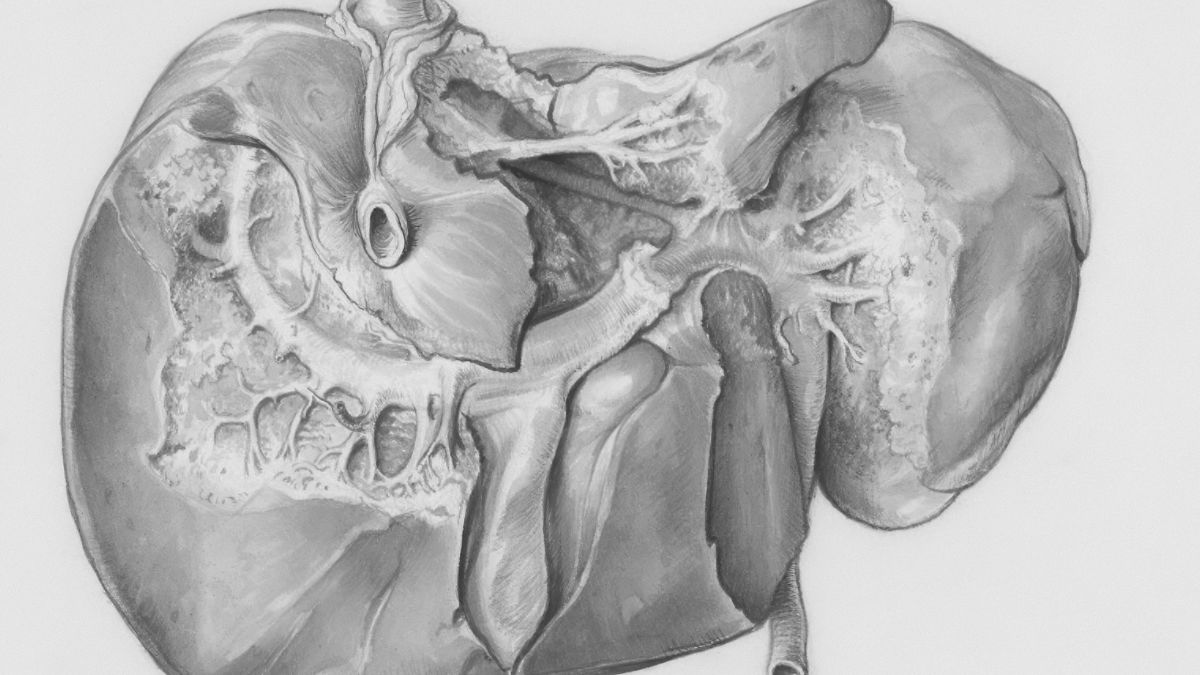
Your liver is constantly processing nutrients, storing energy and breaking down substances your body doesn't need. However, certain everyday habits and health conditions can make its job harder and increase the risk of liver damage over time. One of the most common concerns in India is fatty liver disease, where excess fat builds up inside liver cells. A review of 50 Indian studies found that fatty liver affected around 28% of people in average-risk groups and more than 50% in higher-risk groups.
Fatty liver linked to metabolic problems is now called metabolic dysfunction-associated steatotic liver disease (MASLD). It is commonly associated with excess abdominal fat, insulin resistance, type 2 diabetes and other metabolic risk factors. Several factors can affect your liver health:
Excess body fat, especially around the waist: Abdominal fat is closely linked to insulin resistance, which can increase fat accumulation in the liver. You can develop fatty liver even without being overweight.
Too much sugar and refined carbohydrates: Frequent sugary drinks, sweets and large portions of refined carbohydrates can contribute to excess calorie intake and liver fat accumulation, particularly when combined with low physical activity.
Long hours of sitting: A routine with very little movement can make weight management and blood sugar control harder. Regular walking and exercise can help reduce liver fat, sometimes even without major weight loss.
Alcohol consumption: Your liver breaks down most of the alcohol you drink. Regular heavy drinking can damage liver cells, causing inflammation and, over time, scarring. Alcohol-related liver disease is different from MASLD, although both conditions can occur together.
Poor sleep and metabolic health: Inadequate sleep is associated with obesity, insulin resistance and fatty liver disease. Conditions such as type 2 diabetes, high blood pressure and abnormal cholesterol levels also deserve attention.
Certain medicines and supplements: Some medicines and herbal products can cause liver injury, particularly when taken incorrectly or in excessive amounts. Follow prescribed doses and tell your doctor about every medicine and supplement you use. Never stop a prescribed medicine without medical advice.
The encouraging part is that liver fat can often be reduced through consistent lifestyle changes, especially when fatty liver is identified early. A balanced diet, regular physical activity, weight management where needed and limiting or avoiding alcohol can all help protect liver health.
Also read: Can Fatty Liver Be Reversed? What the Research Says.
Can your liver repair itself?
One of the liver's most remarkable abilities is that it can regenerate after part of it is removed or damaged.
A review published in Nature Reviews Gastroenterology & Hepatology explains that the liver is the only solid organ capable of regrowing to the size your body needs after losing tissue. Other organs, such as the lungs, kidneys and pancreas, can adapt to damage but do not regenerate in quite the same way. However, this ability has its limits. When liver cells are repeatedly damaged over many years, healthy tissue may gradually be replaced by scar tissue. This is called fibrosis. If the damage continues, it can progress to cirrhosis, a more advanced form of liver scarring that affects how well the liver works. So, while your liver has an impressive ability to recover, it cannot always repair the damage caused by long-term liver disease.
When should you see a doctor about your liver?
Liver problems can be difficult to recognise because many people experience no noticeable symptoms in the early stages. According to the NHS, liver disease often develops without obvious warning signs. Symptoms may become more noticeable as the condition progresses, especially when significant damage or scarring has occurred. Signs that deserve medical attention include:
Feeling unusually tired or weak for a long time.
Losing your appetite or weight without trying.
A noticeable reduction in sex drive.
Yellowing of the skin or whites of the eyes, known as jaundice.
Persistent itching without an obvious cause.
Frequent nausea or vomiting.
These symptoms don't always mean you have liver disease, but they shouldn't be ignored. Seek urgent medical advice if your skin or the whites of your eyes turn yellow. The NHS advises urgent assessment for jaundice, as it can indicate a problem with the liver or bile ducts.
If a routine blood test shows raised liver enzymes, don't immediately assume you have serious liver damage. These results can have several causes, and your doctor may recommend repeat blood tests, an ultrasound or further investigations depending on your symptoms and medical history. The important thing is to understand what your results mean rather than trying to treat yourself with medicines or supplements.
Also read: Fatty Liver Diet: An Indian Meal Plan You Can Live With
How to look after your liver every day
You do not need anything dramatic. The liver rewards steady, ordinary habits:
Keep your waist in check. If you carry extra weight, slow and steady weight loss helps, as our fatty liver guide explains.
Build meals around dal, vegetables, whole grains, curd and fruit. Cut back on sugary drinks, sweets and deep fried snacks.
Limit alcohol, or skip it. Avoid drinking on the same day as painkillers.
Take medicines only at the dose prescribed or printed on the label.
Ask your doctor about hepatitis B vaccination and a liver function test if you have diabetes, obesity or a family history of liver disease.
Move every day. A brisk 30 minute walk counts.
Where does silymarin fit?
Silymarin is the extract from milk thistle seeds. If you want to understand the plant and the extract better, read our explainer on silymarin vs milk thistle and our wider look at liver supplements. Aora Silybeet brings together milk thistle extract (80% silymarin) 250 mg, NAC 200 mg, beetroot 50 mg and dandelion root extract 50 mg in each tablet. It is made to support everyday liver health alongside good food and regular movement.
Food, movement and sleep remain the base of a healthy liver. The simple habits above are where to start. Your liver works through every meal and every festival feast without asking for thanks. It does not need a cleanse. Fewer fried snacks, regular walks and good sleep help it keep doing its 500 jobs.
Sources
Medical Disclaimer: This article is for general information and is not a substitute for advice from your doctor. Speak to a qualified healthcare professional before starting any supplement, especially if you are pregnant, breastfeeding or taking medication.
Continue this topic
Connected guides, ingredient explainers, product context, and tools chosen from this article's topic cluster.
Fatty liver basics, milk thistle, NAC, antioxidants, alcohol recovery
Relevant for liver-support and antioxidant education.
Your health check says grade 1 fatty liver. This guide shows what an Indian plate should look like, from dal and rice portions to chai, oil, fruit, coffee and alcohol.
Reaching for a pill after a big party? Which painkillers and medicines not to mix with alcohol and what really helps the morning after.
One line on your health checkup is in red: SGPT. Learn what a high SGPT means, the normal range, the most common causes and what to do next.
Quick questions
What are the main functions of the liver?
The liver filters your blood, breaks down toxins, germs and alcohol, stores sugar as glycogen and releases it between meals, makes bile to digest fat and builds proteins such as albumin and clotting factors. Cleveland Clinic counts more than 500 separate jobs.
Does the liver need a detox?
Your liver does not need a detox. It is your body's own detox system. It does not need a cleanse or special tea to work. It works best when you limit alcohol, sugar and fried food, stay active and take medicines only as prescribed.
Can the liver repair itself?
The liver can repair itself. It is the only solid organ that can regrow to its full needed size after tissue loss. Repeated damage over many years from heavy drinking, fat build up or viral hepatitis can cause scarring, so regular care still matters.
How common is fatty liver in India?
Fatty liver is common in India. A review of 50 Indian studies concluded that about one in three adults or children in India have fatty liver, about 28% in average-risk groups and over 50% in higher-risk groups.
What are the warning signs of a liver problem?
The NHS says most liver disease has no symptoms early on, so routine blood tests help. Once symptoms start it lists feeling very tired and weak all the time, loss of appetite, loss of sex drive, yellow skin and eyes, itchy skin and feeling or being sick. See a GP if you think you might have liver disease. The NHS advises an urgent GP appointment for yellow skin or eyes.
8 linked sources checked against our citation and claim-safety process.
Reviewed 31 Oct 2026 for supplement-claim and medical-disclaimer boundaries.
Recommended from the Aora range
Aora Silybeet
Milk Thistle with N-Acetyl Cysteine, Beetroot & Dandelion Root
- Liver Support
- Made in India
From₹1,400.00
Try Aora - free
Put this article to work on you.
Health and safety notice
- This article is educational. It is not medical advice and is not a substitute for guidance from a qualified healthcare provider. Consult a physician before starting any supplement, especially during pregnancy or breastfeeding, with a medical condition, or while on medication.
- FSSAI compliance: Health supplements and nutraceuticals are not intended for medicinal use. Any supplement-related information is provided to describe nutritional or physiological support and should not be interpreted as a claim to diagnose, treat, cure, or prevent any disease. FSSAI regulates health supplements and nutraceuticals separately from medicinal products.
Read our full medical disclaimer and editorial policy.
Sources and editorial standards
- 1Cleveland Clinic
- 2review published in Nature Reviews Endocrinology
- 3review on bile acid physiology
- 4review on alcohol metabolism
- 5review of 50 Indian studies
- 6review published in Nature Reviews Gastroenterology & Hepatology
- 7NHS
- 8NHS advises urgent assessment for jaundice
Supplement content is educational only and should not replace medical advice from a qualified clinician. Product mentions are reviewed for claim safety before publication.