Ice Bath Benefits: What Cold Plunges Really Do to Your Body
Cold plunges are everywhere, from cricket dressing rooms to home bathtubs filled with kirana ice. Learn what an ice bath really does to your hormones, muscles and stress levels and who should skip it.

In this article(12 sections)
- What happens to your body during the first minute of an ice bath?
- Ice bath benefits: what does the research actually show?
- The cold shower trial and sick days
- Do ice baths help muscle recovery?
- Can an ice bath after the gym blunt muscle gains?
- Does cold water burn fat through brown fat?
- Who should avoid ice baths?
- When should you stop or seek medical help?
- How to try ice baths safely at home
- How cold should the water be?
- So is it worth it?
- Sources
You've probably seen the videos. A cricketer steps into an ice-filled tub after a tough match. A fitness influencer sits in a barrel of freezing water, counting down the seconds while trying to control their breathing. Some people even recreate the routine at home with buckets of ice from a nearby shop. Ice baths have become a popular wellness trend, with claims ranging from faster muscle recovery and improved mood to weight loss and stronger immunity. But how many of these ice bath benefits are actually supported by science?
Research suggests that short periods of cold water immersion may help reduce muscle soreness after intense exercise and temporarily increase alertness. Some studies also suggest possible benefits for stress and well-being, although the evidence remains limited. There are drawbacks too. Taking ice baths immediately after strength training may interfere with muscle growth, and sudden exposure to cold water carries health risks. Understanding what ice baths can and cannot do will help you decide whether they are worth trying, when to avoid them and how to approach cold water exposure safely.
What happens to your body during the first minute of an ice bath?
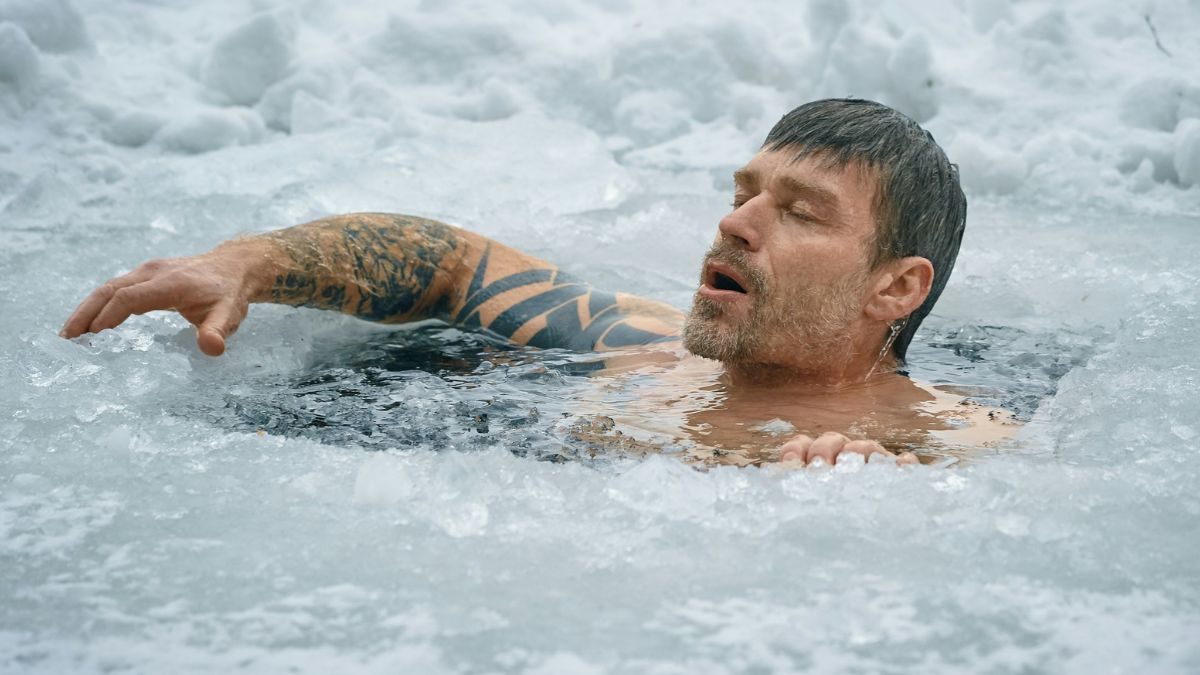
The moment you enter ice-cold water, your body reacts almost instantly. You may gasp involuntarily, start breathing faster and find it difficult to control your breath. This is called the cold shock response. At the same time, your heart rate and blood pressure rise. The small blood vessels near your skin narrow, a process known as vasoconstriction. This reduces blood flow to the skin and helps your body conserve heat around vital organs. Your nervous system also responds by releasing chemicals that increase alertness. In a laboratory study, young men spent one hour immersed in water at 14°C. Researchers observed:
A 530% increase in noradrenaline, a chemical involved in alertness and the body's stress response.
A 250% increase in dopamine, which plays a role in motivation and reward.
A 350% increase in metabolic rate, as the body worked harder to maintain its temperature.
Interestingly, cortisol levels did not increase significantly in this study. These changes may help explain why some people feel unusually alert or energised after cold water immersion. However, the study involved an hour of cold exposure under controlled conditions, not a quick ice bath at home. Its results cannot be directly applied to a two-minute plunge. The sudden rise in breathing, heart rate and blood pressure also explains why entering very cold water can be risky, particularly for people with heart or circulation problems.
Ice bath benefits: what does the research actually show?
What does the latest research actually say about ice baths? A 2025 systematic review and meta-analysis published in PLOS One brought together 11 randomised trials involving 3,177 healthy adults. The studies examined cold showers, ice baths and cold water plunges at temperatures of 15°C or below, lasting at least 30 seconds. Here's what researchers found:
Stress: Participants showed reduced stress levels 12 hours after cold water exposure. However, there was no clear improvement immediately afterwards or at one, 24 or 48 hours.
Inflammation: Inflammatory markers increased during the first hour after exposure. This may reflect the body's immediate stress response to cold water rather than a lasting harmful effect.
Immunity: Researchers found no clear improvement in immune markers shortly after cold exposure. Some longer-term findings suggested fewer days off work due to illness, but this doesn't prove stronger immunity.
Sleep and quality of life: Some studies reported improvements, although the evidence was limited and results were not consistent across all measurements.
Mood: There was no clear evidence that cold water immersion improved mood.
So, how reliable are these findings? The researchers highlighted several limitations, including the small number of trials, limited sample sizes for individual outcomes and a lack of diversity among participants. Most importantly, these studies involved generally healthy adults. We cannot assume the same benefits or safety for older adults or people with medical conditions, particularly those taking medicines for high blood pressure or heart problems. Overall, the research suggests that cold water exposure may offer certain short-term benefits, but the evidence isn't strong enough to support the sweeping wellness claims often seen online.
The cold shower trial and sick days
A well-known finding comes from the Netherlands. In a randomised trial of 3,018 adults, people were asked to end their usual hot shower with 30, 60 or 90 seconds of cold water every day for 30 days. Compared with a group that showered normally, the cold shower groups had 29% less self-reported sickness absence from work. The number of days people actually felt ill did not change. They simply took fewer days off. It is a hopeful result with clear limits. If you keep falling ill, our guide on why you keep getting sick looks at sleep, nutrition and other causes worth checking first.
Do ice baths help muscle recovery?
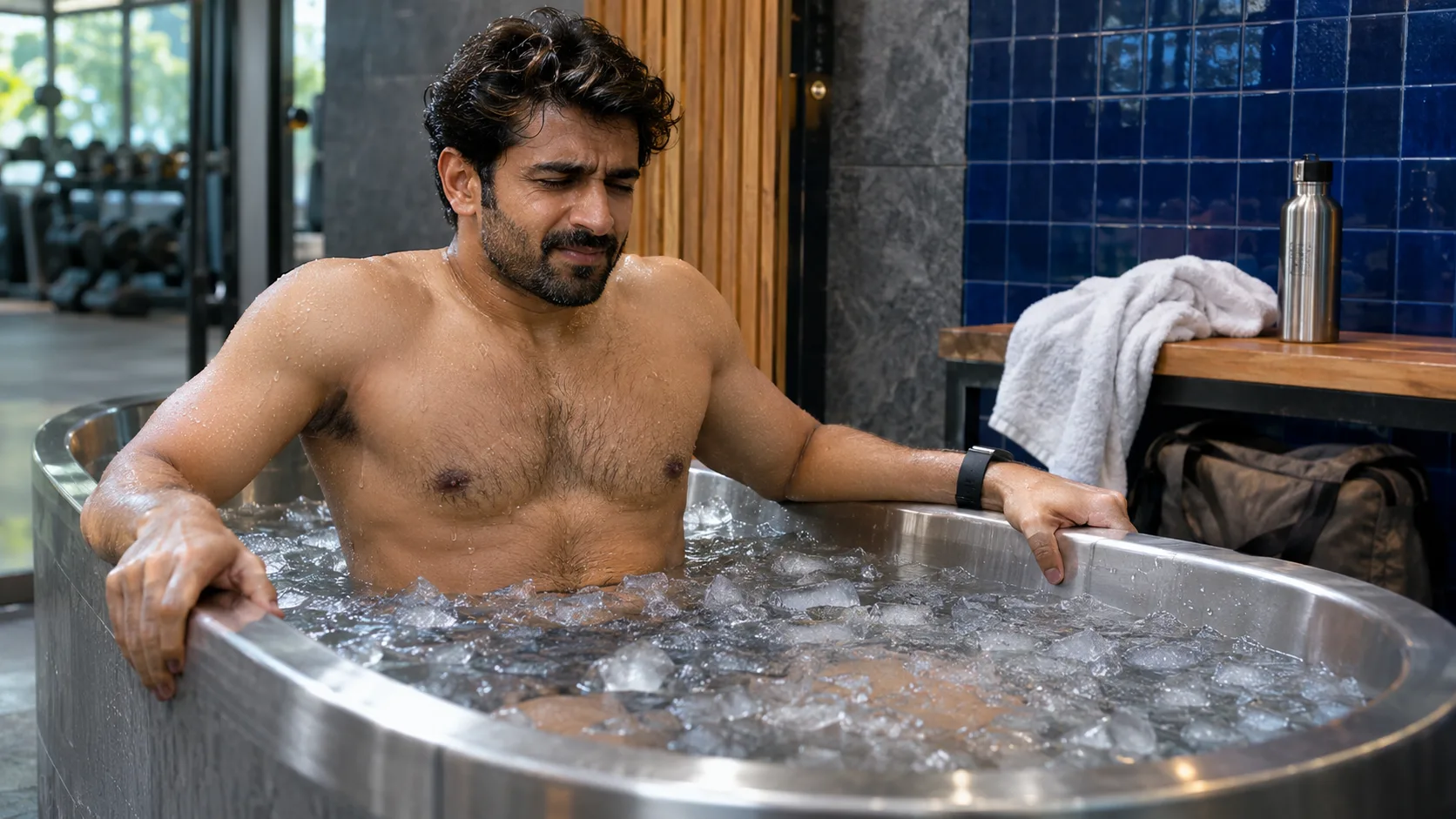
Most research on cold water immersion has focused on muscle recovery after exercise, particularly in healthy, physically active adults. A recent umbrella review of 15 meta-analyses covering 161 studies examined how cold water immersion affects recovery after workouts. Researchers found that cold water immersion:
Reduced muscle soreness for up to 96 hours after exercise.
Improved muscular power 24 hours after high-intensity exercise and between 24 and 48 hours after exercises involving muscle lengthening under tension.
Improved jumping performance after 24 to 48 hours, although performance was temporarily worse in the first few hours.
Provided a brief improvement in endurance performance immediately afterwards, but without lasting benefits.
The studies suggested that immersing the body in water at around 10°C to 15°C, or sometimes 5°C to 10°C, for 10 to 15 minutes may be effective for certain recovery outcomes. However, the researchers rated the certainty of the evidence as low to very low. This means the findings are promising but far from conclusive. Reduced muscle soreness remains one of the more consistent benefits, although the evidence still has limitations. If you regularly feel stiff or sore after workouts, an ice bath isn't your only option. Adequate sleep, enough protein, rest days and gradually increasing exercise intensity are more important foundations for recovery.
Also read: Why You're Not Recovering Well After Exercise and What Can Help.
Can an ice bath after the gym blunt muscle gains?
It can, according to the research. Muscle grows partly because a hard session creates a short burst of inflammation and repair signals. Cold water appears to dampen that signal. In a 12 week study published in The Journal of Physiology, 21 active men did strength training twice a week. After each session, one group sat in cold water for 10 minutes while the other did a light active cool down. Strength and muscle mass rose more in the active recovery group. Their type II muscle fibres, the ones that produce power, grew by 17%, while the cold water group showed no significant increase. The same umbrella review above agreed: cold water after exercise did not improve strength and impaired strength and size gains over time.
So timing matters. If you are lifting weights to build muscle, especially as you age and naturally lose some (see why men lose muscle after 30), keep the ice bath away from your strength days. The umbrella review suggests saving cold water for periods when quick recovery matters more than building size, for example, a tournament week, rather than using it after every session.
Does cold water burn fat through brown fat?
You may have heard that cold activates brown fat, a special kind of fat that burns energy to make heat. That part is true. Adults do carry small amounts of it. The weight loss promise is another matter. A 2024 meta-analysis of cold exposure studies in 85 healthy people found that cold raised free fatty acids in the blood, likely a sign that brown fat was using fuel. Fasting glucose, insulin and triglycerides (a type of blood fat) did not change. In plain words, cold switches on the heating system, but it didn't change these blood markers. It did not test weight loss. Food, daily movement and sleep remain the main tools.
Who should avoid ice baths?
Ice baths may offer some recovery benefits, but they aren't safe for everyone. A 2017 review from the University of Portsmouth highlights the dangers of cold water immersion, including drowning, cardiac arrest and hypothermia. It also notes that some claimed benefits have limited scientific evidence. The biggest concern is the body's sudden reaction to cold water. During the first minute, breathing becomes rapid, heart rate increases and blood pressure rises. For people with certain health conditions, this can be dangerous. Cleveland Clinic recommends speaking to your doctor before trying an ice bath, particularly if you have:
Heart disease or high blood pressure.
Diabetes.
Poor circulation or venous stasis, where blood flow through the leg veins is reduced.
Peripheral neuropathy, which causes nerve damage or reduced sensation.
Cold agglutinin disease, a condition in which cold temperatures can affect red blood cells.
Pregnancy.
People with Raynaud's phenomenon, where fingers or toes turn white or blue in response to cold, should also be cautious. Cleveland Clinic warns that sudden temperature changes can trigger symptoms. If you have epilepsy, seek medical advice before considering cold water immersion.
When should you stop or seek medical help?
Get out of the water immediately if you feel dizzy, lightheaded, unusually uncomfortable or have difficulty controlling your breathing. Don't try to push through these symptoms.
The NHS advises calling emergency services if you experience:
Chest pain that feels tight, heavy or squeezing.
Pain spreading to your arms, neck or jaw.
Severe breathing difficulty, including gasping or choking.
Pale, blue or grey skin or lips.
Someone collapsing and becoming unresponsive.
Call 112 in India if these warning signs appear. Do not attempt to drive yourself to hospital. Remember, ice baths are optional, not essential for recovery. If you have an underlying health condition, speak to your doctor before trying one rather than assuming a shorter plunge is automatically safe.
How to try ice baths safely at home
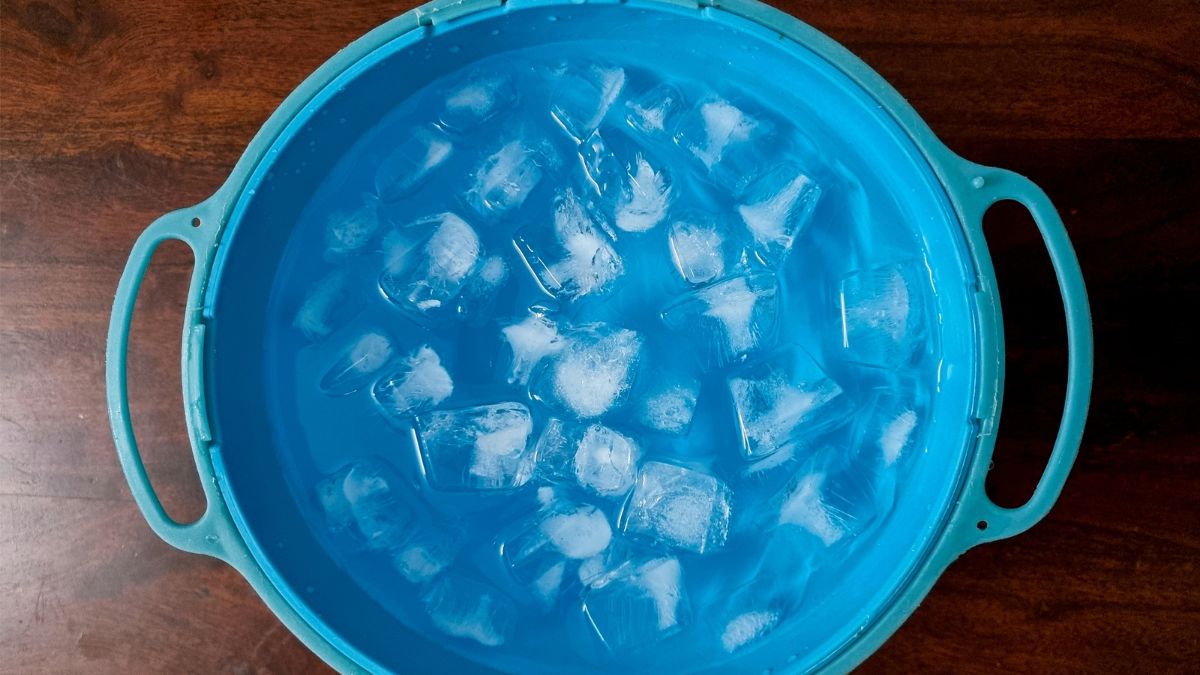
If your doctor confirms that cold water exposure is suitable for you, start slowly rather than jumping straight into an ice bath. A Dutch study used just 30 to 90 seconds of cold water at the end of a regular shower. This may be a more manageable starting point than full-body immersion, although cold showers still carry risks for some people. Here are a few precautions to follow:
Start with a short cold shower. Try around 30 seconds at the end of your usual shower, using cool rather than freezing water. Increase gradually only if you feel comfortable.
Never take an ice bath alone. If you progress to cold water immersion, have someone nearby who can help in an emergency.
Enter the water slowly. Avoid jumping in suddenly. Keep your head and face above water to reduce the risk of accidentally inhaling water.
Keep breathing normally. Cold water can trigger sudden gasping. Don't hold your breath or attempt breathing exercises while immersed.
Keep sessions short. Start with brief exposure rather than trying to match the longer sessions used in research. Stop immediately if you feel unwell.
Warm up gradually afterwards. Dry yourself thoroughly, change into warm clothes and allow your body temperature to return to normal.
Avoid cold immersion when unwell. Never attempt an ice bath after drinking alcohol or when you're feeling dizzy, weak or unusually tired.
How cold should the water be?
Studies on cold water immersion have commonly used temperatures of 15°C or below, while some exercise recovery studies used water between 5°C and 15°C. However, these are research conditions, not recommended starting temperatures for home use. In India's warmer climate, tap water may be considerably warmer, particularly during summer. You don't need to add large amounts of ice or aim for near-freezing temperatures. The goal isn't to tolerate the coldest water possible. If you decide to try cold exposure, prioritise safety, gradual adjustment and your body's response over the duration or temperature.
So is it worth it?
An ice bath is a strong, short shock to the body. It wakes you up, may ease soreness after intense sport and might lower stress in the hours that follow. It will not replace good sleep, balanced meals or regular movement. If you are building muscle, keep it apart from your strength sessions. If a cold splash at the end of your morning bath makes you feel brighter and calmer, that is a fine reason to keep it. Start small, respect the first minute and let your body, not a reel, decide how far to take it.
Sources
The effect of cold showering on health and work: a randomized controlled trial (PLOS One, 2016)
Cold water immersion: kill or cure? (Experimental Physiology, 2017)
Medical Disclaimer: This article is for general information and is not a substitute for advice from your doctor. Speak to a qualified healthcare professional before starting any supplement, especially if you are pregnant, breastfeeding or taking medication.
Continue this topic
Connected guides, ingredient explainers, product context, and tools chosen from this article's topic cluster.
Quick questions
What are the main ice bath benefits?
The most consistent finding is less muscle soreness after hard exercise, though reviewers rated that evidence low to very low in certainty. A lab study also showed a sharp rise in alertness hormones during an hour in cold water. A 2025 review found lower stress 12 hours after a plunge with some gains in sleep quality. The evidence base is still small.
How long should a beginner stay in an ice bath?
Start very short. A Dutch trial used just 30 to 90 seconds of cold water at the end of a normal shower. Build up slowly. Get out of the water if you feel lightheaded or have discomfort beyond feeling cold. The NHS says to call emergency services (112 in India) for chest pain that feels tight or squeezing or spreads to your arms, neck or jaw, severe difficulty breathing, lips or skin that turn pale, blue or grey, or if someone passes out and is not responding normally. Do not drive yourself.
Should I take an ice bath after weight training?
Not if building muscle is your goal. A 12 week study found that 10 minutes of cold water after each strength session led to smaller gains in strength and muscle size than an active cool down. Keep cold plunges away from your lifting days.
Is a cold shower as good as an ice bath?
A cold shower is a gentler place to start. In one randomised trial, people who ended their shower with cold water reported 29% less sickness absence from work, though the number of days they felt ill did not change.
Who should avoid ice baths?
Cleveland Clinic advises talking to your doctor first, particularly if you have heart disease, high blood pressure, diabetes, peripheral neuropathy, poor circulation, venous stasis or cold agglutinin disease, or are pregnant. Never take an ice bath alone or after drinking alcohol.
10 linked sources checked against our citation and claim-safety process.
Reviewed 4 Nov 2026 for supplement-claim and medical-disclaimer boundaries.
Recommended from the Aora range
Aora Nutrivit Plus
19 Essential Nutrients with Zinc, Magnesium and Vitamins B Complex, C and D3
- Multivitamin
- Daily Foundation
- Made in India
From₹690
Try Aora - free
Put this article to work on you.
Health and safety notice
- This article is educational. It is not medical advice and is not a substitute for guidance from a qualified healthcare provider. Consult a physician before starting any supplement, especially during pregnancy or breastfeeding, with a medical condition, or while on medication.
- FSSAI compliance: Health supplements and nutraceuticals are not intended for medicinal use. Any supplement-related information is provided to describe nutritional or physiological support and should not be interpreted as a claim to diagnose, treat, cure, or prevent any disease. FSSAI regulates health supplements and nutraceuticals separately from medicinal products.
Read our full medical disclaimer and editorial policy.
Sources and editorial standards
- 1laboratory study
- 22025 systematic review and meta-analysis published in PLOS One
- 3randomised trial of 3,018 adults
- 4umbrella review of 15 meta-analyses covering 161 studies
- 512 week study published in The Journal of Physiology
- 62024 meta-analysis of cold exposure studies
- 72017 review from the University of Portsmouth
- 8Cleveland Clinic
- 9Cleveland Clinic
- 10NHS
Supplement content is educational only and should not replace medical advice from a qualified clinician. Product mentions are reviewed for claim safety before publication.