

Dry Fruits This Diwali: How Much Is a Healthy Portion?
How many almonds, cashews, pistachios or dates should you eat? Discover healthy dry-fruit portions, nutrition benefits and Diwali snacking tips.

In this article(15 sections)
- Are dry fruits actually healthy?
- How much dry fruit should you eat in a day?
- Almonds, cashews, pistachios and walnuts: What do they provide?
- Almonds: Vitamin E, protein and fibre
- Cashews: Magnesium, copper and healthy fats
- Pistachios: Protein, fibre and vitamin B6
- Walnuts: A source of plant omega-3 fats
- What about dates, raisins and dried figs?
- Are natural sugars in dried fruits different from added sugar?
- Can people with diabetes eat dry fruits during Diwali?
- Are roasted, salted and flavoured dry fruits equally healthy?
- Five easy ways to enjoy dry fruits this Diwali
- Can eating too many dry fruits cause weight gain?
- Enjoy the Diwali dry-fruit box, one handful at a time
- References and sources
The Diwali gift boxes have started arriving. One has almonds and cashews arranged in neat little rows. Another comes with pistachios, walnuts, dates and raisins. You open a box while chatting with family, take a few cashews and reach for another handful before you realise how much you've eaten. Dry fruits are a familiar part of Indian celebrations, and for good reason. Nuts provide healthy fats, protein and important minerals, while dried fruits offer fibre, natural sugars and other nutrients. But how much dry fruit should you eat in a day, especially when several varieties are sitting within easy reach? The answer depends on what you're eating. Almonds and cashews are quite different from dates and raisins, even though we often call them all dry fruits. Understanding the difference can help you enjoy your Diwali favourites in portions that suit your health.
Are dry fruits actually healthy?

Yes. Many dry fruits provide useful nutrients, but their nutritional value depends on whether you're eating nuts or dried fruit. In India, we often use the term dry fruits for everything from badam and kaju to kishmish and khajoor. Nutritionally, however, they belong to different groups.
Nuts: Almonds, cashews, pistachios and walnuts provide mostly unsaturated fats, along with protein, fibre, vitamins and minerals.
Dried fruits: Raisins, dates, dried figs and apricots are fruits with much of their water removed. They provide carbohydrates, natural sugars, fibre and certain minerals.
Neither group needs to be avoided simply because it contains fat or sugar. What matters is the type of food, the portion and how it fits into your overall diet. According to the American Heart Association, nuts provide unsaturated fats, protein, fibre and other nutrients. It suggests a small handful, approximately 28 g, as a practical serving. Meanwhile, the NHS recognises a 30 g portion of dried fruit as one serving of fruit. The important thing to remember is that 30 g of almonds and 30 g of raisins don't provide the same nutrients.
How much dry fruit should you eat in a day?
For most healthy adults, around 25 to 30 g of plain nuts is a useful portion for a snack. That's roughly a small handful, although the exact number of pieces varies. For dried fruits such as raisins, dates and figs, around 30 g is also a commonly used serving size. However, dried fruits contain more carbohydrates and natural sugars than most nuts, so they need to be considered separately. India's own dietary guidance provides useful context. The ICMR-NIN Dietary Guidelines for Indians, 2024 include nuts and seeds as part of a balanced diet, with quantities varying according to age, sex and activity levels. These serving sizes are practical references, not strict limits that everyone must follow. Someone with higher energy needs may eat more, while a person managing their calorie intake may choose a smaller portion.
Almonds, cashews, pistachios and walnuts: What do they provide?
Each type of nut has its own nutritional strengths. That's why including a variety can be useful rather than focusing on just one.
Almonds: Vitamin E, protein and fibre
Badam is probably one of the first things that comes to mind when someone mentions dry fruits. Almonds provide vitamin E, an antioxidant nutrient that helps protect cells, along with fibre, protein and unsaturated fats. A portion of about 28 g contains approximately 164 calories and 6 g of protein, according to USDA-based nutrient data presented by the University of Nebraska-Lincoln. You can enjoy almonds on their own, chop them into oats or add a few to homemade kheer. Soaking them is a matter of preference; there's no need to assume that soaking automatically makes them substantially more nutritious.
Cashews: Magnesium, copper and healthy fats
Cashews are especially popular during Diwali, whether they're served plain, roasted or made into kaju katli. They contain unsaturated fats, protein and minerals such as magnesium and copper. A 28 g serving provides approximately 157 calories and 5 g of protein. Cashews are nutritious, but kaju katli is a different food from plain cashews. The sweet also contains added sugar and may include other ingredients, so its portion and nutritional composition will differ. There's room to enjoy both. Just remember that eating a few cashews and having several pieces of kaju katli aren't nutritionally equivalent.
Pistachios: Protein, fibre and vitamin B6
Pistachios, or pista, are another familiar festive favourite. They provide protein, fibre, unsaturated fats and nutrients such as vitamin B6. An approximately 28 g serving contains around 160 calories and nearly 6 g of protein. One useful feature is that pistachios sold in their shells take a little time to open. That may help you pay more attention to how much you're eating, although it doesn't guarantee a smaller portion. Choose plain or lightly salted varieties according to your preferences and sodium needs.
Walnuts: A source of plant omega-3 fats
Walnuts, or akhrot, stand out because they contain alpha-linolenic acid (ALA), a type of plant-based omega-3 fatty acid. They also provide unsaturated fats, fibre and minerals. A 28 g portion contains approximately 185 calories and 4 g of protein. The American Heart Association identifies walnuts as a particularly useful source of plant omega-3 fats. You can add a few walnut pieces to porridge, sprinkle them over curd or include them in a mixed-nut portion.
What about dates, raisins and dried figs?
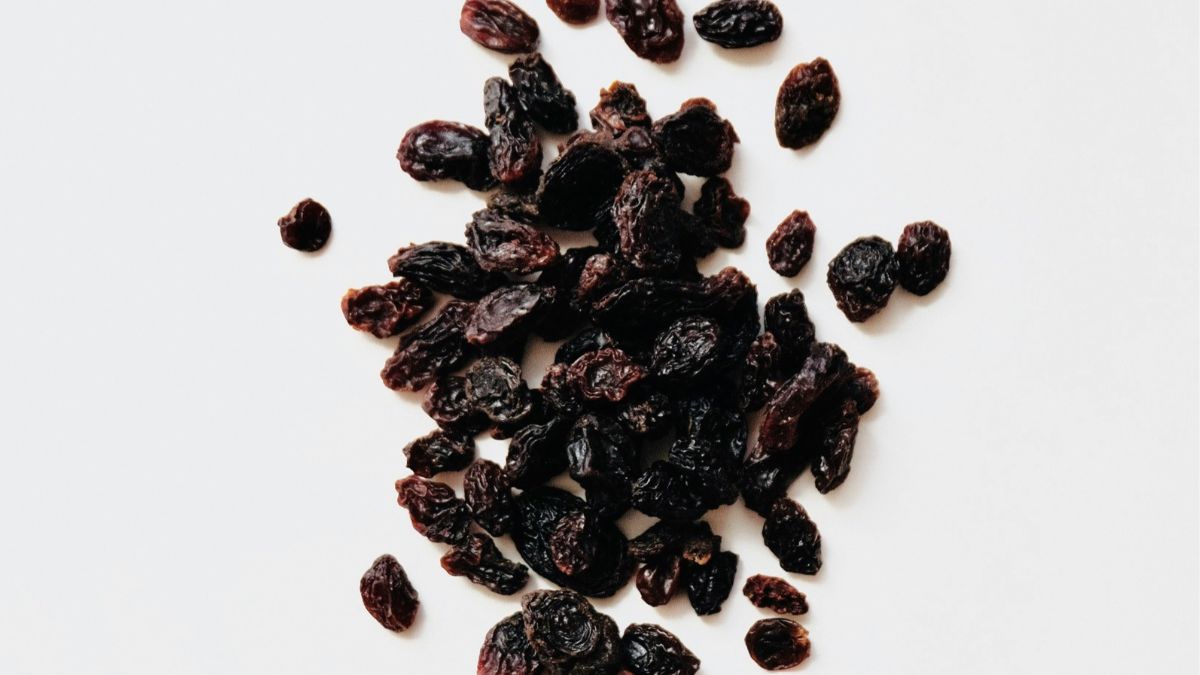
Dates, raisins and dried figs are often included in the same Diwali gift boxes as nuts, but their nutritional composition is different. A raisin is a grape with much of its water removed. The same principle applies to many other dried fruits. Removing water makes the fruit smaller and concentrates its carbohydrates and sugars into a smaller weight. That doesn't make dried fruit unhealthy. It simply means it's easy to eat several portions without noticing. Dates provide carbohydrates, fibre and minerals such as potassium. Raisins offer carbohydrates and small amounts of fibre and minerals, while dried figs contribute fibre and calcium.
Are natural sugars in dried fruits different from added sugar?
The sugars naturally present in whole dried fruits are part of the fruit itself, whereas added sugars are introduced during preparation or processing. However, natural sugars still contribute carbohydrates and energy. This matters particularly if you're managing blood glucose. A date-sweetened mithai isn't necessarily sugar-free in the nutritional sense, even when no refined sugar has been added. The dates still contribute natural sugars and carbohydrates. The NHS recommends eating dried fruit with meals rather than repeatedly snacking on it throughout the day, partly because its sugars can contribute to tooth decay.
Also read: Why do you crave sugar all the time?
Can people with diabetes eat dry fruits during Diwali?
Yes, many people with diabetes can include nuts and dried fruits in their diet, although the type and amount make a difference. Plain almonds, cashews, walnuts and pistachios are generally lower in carbohydrates than raisins or dates. They also provide fats, protein and fibre, which make them useful additions to a balanced eating pattern. Dried fruits need a little more attention because they contain concentrated carbohydrates. Eating a large handful of raisins or several dates may raise blood glucose, depending on the portion and the rest of the meal. The British Heart Foundation's guidance on diet and diabetes recommends smaller portions of dried fruit and highlights the importance of overall carbohydrate intake. Some practical choices include:
Enjoying a small portion of plain mixed nuts.
Checking the carbohydrate content of packaged dried-fruit mixes.
Considering dried fruit as part of your overall carbohydrate intake.
Choosing a portion that fits your individual diabetes meal plan.
Checking labels on dry-fruit sweets, which may contain additional sugar, syrup or other ingredients.
There's no need to treat every dry fruit as unsuitable for diabetes. Individual glucose responses and nutritional needs differ, so personalised advice from a dietitian can help.
Also read: Choosing sugar-free mithai this Diwali? Here's what your gut wants you to know.
Are roasted, salted and flavoured dry fruits equally healthy?
Plain, roasted and flavoured nuts can all be enjoyable, but it's worth checking how they're prepared. Dry-roasting nuts changes their flavour and texture without necessarily requiring added oil. Oil-roasted varieties may contain additional fat, depending on the preparation. Salted nuts contribute more sodium, while honey-coated, caramelised or chocolate-covered nuts may contain added sugars. That doesn't mean you must choose raw nuts every time. It simply helps to know what you're getting.
For packaged Diwali gift boxes, take a quick look at the ingredient list and nutrition panel. The ICMR-NIN Dietary Guidelines encourage reading food labels to make informed choices. You may also notice that some dry-fruit mixes contain seeds, candied fruit or sweetened pieces. These can change the overall nutritional composition, even when the product is described as a dry-fruit mix.
Five easy ways to enjoy dry fruits this Diwali

You don't have to measure every almond throughout the festive season. A little awareness makes it easier to enjoy your favourites without turning every snack into a calculation.
Serve them in a small katori. Instead of eating directly from a large gift box, take a portion and enjoy it. It's easier to notice how much you've eaten.
Mix different varieties. Try almonds, pistachios, cashews and walnuts together rather than filling the bowl with just one type. Variety brings different nutrients and textures.
Use dry fruits in everyday meals. Add a few chopped almonds to oats, walnuts to curd or pistachios to homemade desserts. They don't always need to be eaten separately.
Enjoy dried fruits alongside other foods. Dates or raisins can be included with a balanced meal or paired with plain curd or nuts, while keeping the overall carbohydrate portion in mind.
Keep the whole day's eating in perspective. If you've enjoyed kaju katli, dry-fruit laddoos and a handful of nuts at a family gathering, you can return to your usual meals afterwards. There's no need to compensate by skipping food.
It's also important to consider allergies. Anyone with a diagnosed allergy to a particular nut should avoid it and follow their healthcare professional's advice. Whole nuts can be a choking hazard for young children, so age-appropriate preparation matters.
Can eating too many dry fruits cause weight gain?
Nuts are energy-dense because they contain significant amounts of fat. For example, a 28 g serving of almonds has around 164 calories, while the same amount of walnuts has approximately 185 calories. That doesn't mean eating nuts automatically causes weight gain. Your overall energy intake, eating pattern and activity levels matter more than a single food.
Nuts can be a satisfying snack because they provide fats, protein and fibre. However, adding several large handfuls on top of your usual meals can increase your daily calorie intake. If you are managing your weight, including nuts in place of another snack may be more useful than simply adding them to everything you already eat. The same applies to dried fruits. They can be part of a balanced diet, but their smaller size makes portions easy to underestimate.
Enjoy the Diwali dry-fruit box, one handful at a time
Dry fruits deserve their place in Diwali celebrations. Almonds, cashews, pistachios, walnuts, dates and raisins all bring something different to the table. For most healthy adults, a small handful of nuts or a modest portion of dried fruit is a sensible place to start. You can enjoy your favourites, appreciate their nutritional benefits and adjust portions to your needs. The idea isn't to eat less simply because it's Diwali. It's to understand what you're eating and enjoy it comfortably.
References and sources
ICMR-NIN: Dietary Guidelines for Indians, 2024. Indian dietary guidance on nuts, seeds, balanced eating and food labels.
American Heart Association: Go Nuts (But Just a Little!). Nutritional benefits and common serving sizes for nuts.
University of Nebraska-Lincoln: Nutty Snacks. Nut portions, approximate calories, fats and protein content.
NHS: 5 A Day, What Counts?. Dried-fruit serving guidance and dental health considerations.
British Heart Foundation: Diet and Diabetes. Carbohydrate intake, dried fruits, nuts and diabetes.
The Dudley Group NHS Foundation Trust: Diet and Type 2 Diabetes. Practical portions of nuts and dried fruits in a diabetes-friendly eating pattern.
Medical disclaimer: This article is for general information and educational purposes only. It is not a substitute for professional medical advice, diagnosis or treatment. Dietary needs vary based on age, activity, medical conditions and individual nutritional requirements. If you have diabetes, kidney disease, food allergies or another condition requiring dietary restrictions, consult your doctor or a registered dietitian for personalised advice.
Continue this topic
Connected guides, ingredient explainers, product context, and tools chosen from this article's topic cluster.
What does your Health Age mean? Learn what affects your score, what studies say about ageing and how everyday lifestyle changes can support better health
Does skipping meals affect your nutrition? Learn what research says about missed meals, nutrient intake and how to maintain a balanced diet.
Taking biotin but still experiencing hair fall? Learn why biotin may not help, other possible causes of hair loss and when to see a dermatologist.
Quick questions
How many dry fruits should you eat in a day?
Around 25 to 30 g of plain nuts is a practical snack portion for many healthy adults. A 30 g serving is also commonly used for dried fruits such as raisins and dates. However, individual requirements depend on your overall diet, energy needs and health.
How many almonds can you eat daily?
A 28 g portion is roughly 20 to 23 almonds, depending on their size. This is a commonly used serving, not a fixed daily limit. You can adjust the amount according to your nutritional needs.
Are cashews good for weight management?
Cashews provide protein, unsaturated fats and minerals, but they're also energy-dense. They can fit into a weight-management diet when included in appropriate portions and considered alongside overall calorie intake.
Can people with diabetes eat dates and raisins?
Yes, depending on their individual meal plan. Dates and raisins contain natural sugars and carbohydrates that can affect blood glucose. Portion size and total carbohydrate intake are important, so people with diabetes should follow personalised dietary advice.
Is it better to eat dry fruits in the morning or at night?
There is no established best time of day for everyone to eat dry fruits. You can include nuts with breakfast, as a snack or alongside meals. Your overall diet and portions matter more than the time.
6 linked sources checked against our citation and claim-safety process.
Reviewed 6 Nov 2026 for supplement-claim and medical-disclaimer boundaries.
Recommended from the Aora range
Aora Nutrivit Plus
19 Essential Nutrients with Zinc, Magnesium and Vitamins B Complex, C and D3
- Multivitamin
- Daily Foundation
- Made in India
From₹690
Try Aora - free
Put this article to work on you.
Health and safety notice
- This article is educational. It is not medical advice and is not a substitute for guidance from a qualified healthcare provider. Consult a physician before starting any supplement, especially during pregnancy or breastfeeding, with a medical condition, or while on medication.
- FSSAI compliance: Health supplements and nutraceuticals are not intended for medicinal use. Any supplement-related information is provided to describe nutritional or physiological support and should not be interpreted as a claim to diagnose, treat, cure, or prevent any disease. FSSAI regulates health supplements and nutraceuticals separately from medicinal products.
Read our full medical disclaimer and editorial policy.
Sources and editorial standards
- 1American Heart Association
- 2NHS
- 3ICMR-NIN Dietary Guidelines for Indians, 2024
- 4USDA-based nutrient data presented by the University of Nebraska-Lincoln
- 5British Heart Foundation's guidance on diet and diabetes
- 6The Dudley Group NHS Foundation Trust: Diet and Type 2 Diabetes
Supplement content is educational only and should not replace medical advice from a qualified clinician. Product mentions are reviewed for claim safety before publication.