Glutathione for Skin: What Glow Supplements Really Do
Glutathione tablets, drips, collagen drinks and vitamin C gummies promise glowing skin. See what the trials show and what to avoid.

In this article(12 sections)
- Why is glutathione for skin everywhere right now?
- What the trials on oral glutathione actually found
- Glutathione drips and injections: A real safety concern
- Do collagen drinks actually improve skin health?
- Vitamin C and your skin
- Label red flags on skin glow supplements
- What actually helps your skin glow?
- Sunscreen, every day
- Sleep and the plate
- Acne, pigmentation and melasma need a dermatologist
- Healthy skin, in every shade
- Sources
Glutathione tablets, collagen drinks, vitamin C gummies and even skin-brightening drips. Scroll through Instagram, and you might see plenty of such products promising glowing, brighter skin. But which of them actually make a difference? Glutathione for skin has gained attention for its possible effects on pigmentation. Small studies suggest it may slightly lighten skin tone, although the results may not last. Evidence for glutathione drips is much weaker, with important safety concerns. Collagen supplements have shown mixed results, while vitamin C plays a well-established role in healthy skin. Before adding any of these to your routine, it helps to understand what the research supports, what remains uncertain and whether you really need a supplement.
Why is glutathione for skin everywhere right now?

Glutathione is an antioxidant your body naturally makes from three amino acids: glutamate, cysteine and glycine. It helps protect cells from damage, but researchers are also interested in how it affects skin pigmentation. Laboratory studies suggest it can slow down tyrosinase, an enzyme involved in making melanin, the pigment that gives your skin its colour. It may also influence the type of melanin your skin produces. These effects help explain why glutathione has gained attention for skin lightening, as discussed in a 2016 review published in the Indian Journal of Dermatology, Venereology and Leprology.
But the same review raises an important concern. The authors question whether the popularity of glutathione for skin lightening has moved ahead of the evidence, particularly when it comes to how well it works and whether it is safe. In India, the interest in lighter skin also has a social side. Fair skin has long been associated with beauty, especially in conversations around weddings and marriage. That makes it important to look beyond the promise of brighter skin and ask what glutathione can actually do, rather than what people are led to expect from it.
What the trials on oral glutathione actually found
One early trial comes from Chulalongkorn University in Bangkok. Researchers gave 60 healthy medical students either 500 mg of glutathione a day or a placebo for 4 weeks. They measured melanin with a device at six spots on the body. Melanin dropped at all six spots in the glutathione group. It beat placebo at only two of them: the right side of the face and a sun-exposed forearm. The authors called the result a lightening of skin colour ‘in a small number of subjects’ and said long-term safety had not been established (Arjinpathana and Asawanonda, 2012).
A 2025 systematic review in the International Journal of Dermatology pulled the newer evidence together. It found five randomised trials and one open study of oral glutathione at doses between 250 mg and 500 mg a day. All of them showed a significant fall in melanin index compared with placebo. The reviewers rated the lightening as moderate and described it as unsustainable, meaning it does not hold once you stop. They described the side effects of oral glutathione as substantial, compared with minimal side effects for glutathione applied to the skin. Across the studies they assessed, about as many carried a high risk of bias as a low one (Sarkar and colleagues, 2025).
What does this mean for you?
The changes were modest. Researchers measured a reduction in skin pigmentation using a melanin meter, but that doesn't necessarily mean the difference would be noticeable to the eye.
The studies were small and short. One trial in Bangkok involved just 60 people and lasted four weeks, so we don’t know much about long-term results.
The results may not last. Skin pigmentation may return towards its original level after stopping glutathione, although longer-term evidence is limited.
It's not a proven treatment for every pigmentation concern. These findings do not establish that glutathione can permanently clear melasma, acne marks or tanning.
Glutathione drips and injections: A real safety concern
Intravenous glutathione, given through a drip, is sold at some clinics and salons as a fast route to fairer skin. The 2025 review found only one placebo-controlled trial of IV glutathione. In that trial, 6 of 16 people on the drip improved compared with 3 of 16 on placebo. The difference was not statistically significant. The reviewers concluded that IV glutathione is contraindicated, which means doctors should not use it, because it lacks proof that it works and carries side effects (Sarkar and colleagues, 2025). The earlier review notes that reports of adverse effects from IV glutathione led the Food and Drug Administration of the Philippines to issue a public warning against using it for skin lightening (Sonthalia and colleagues, 2016).
If a salon or an online seller offers you a drip, ask yourself three things. Who is putting the needle in your vein? Where did the vial come from? What happens if you react on the chair? Any injection carries the risk of infection and allergic reaction. An unlicensed setting makes that worse. Glutathione can also affect the airways. In a small crossover study of eight people with mild asthma, inhaled glutathione caused marked narrowing of the airways (Marrades and colleagues, 1997). If you have asthma, check with your doctor before using any form of it.
Do collagen drinks actually improve skin health?

Collagen is the protein that gives skin its structure. Collagen powders and drinks are usually hydrolysed collagen, broken into small pieces called peptides. The pitch is that these peptides signal your skin to make more of its own. A 2025 meta-analysis in the American Journal of Medicine pooled 23 randomised trials with 1,474 people. Taken together, collagen improved skin hydration, elasticity and wrinkles. Then the authors split the trials by funding. Studies paid for by companies showed benefits. Studies without industry money showed no effect on hydration, elasticity or wrinkles. High-quality studies also showed no significant effect. Their conclusion: there is currently no clinical evidence to support collagen supplements for skin ageing (Myung and Park, 2025).
That does not prove collagen is useless. It does mean the confident before and after claims rest mostly on trials run by the people selling it. If you want to understand what nutrition can and cannot do for scarring, our piece on collagen for acne scars goes deeper. Collagen is also a protein. If your plate is short on dal, curd, paneer, eggs or fish, fixing that gives your skin the same raw material for far less money.
Vitamin C and your skin
Vitamin C is needed to form collagen, according to MedlinePlus. Your skin cannot build collagen properly without it. Amla, guava, oranges, tomatoes, capsicum and a squeeze of lemon on your dal are easy daily sources.
Label red flags on skin glow supplements
Read the box and the listing before you buy. Walk away if you see these:
Words like "whitening", "fairness" or "skin bleaching". A supplement making a medical promise about changing skin colour is not one you can trust on smaller details either.
No dose per tablet. If the label says "glutathione complex" or "proprietary blend" without milligrams, you cannot compare it with any trial.
A promise of results in a fixed number of days. Trials do not support that kind of claim.
Injection kits, ampoules or "drip at home" packs sold online. These belong nowhere near a shopping app.
Before and after photos as the main proof. Lighting, filters and makeup can do all of that work.
Long lists of stacked "brightening" extracts. More ingredients can mean more chances of an interaction and less chance that any single one is at a useful dose.
Gummies with a lot of sugar per serving. Check the grams of sugar on the label, especially if blood sugar runs in your family.
No manufacturer address, licence number or batch details. Choose a licensed manufacturer with the licence number printed on the pack. Missing details are a reason to skip it.
If you already take several supplements, our guide on how to audit your supplement routine helps you cut what you do not need.
What actually helps your skin glow?
Sunscreen, every day
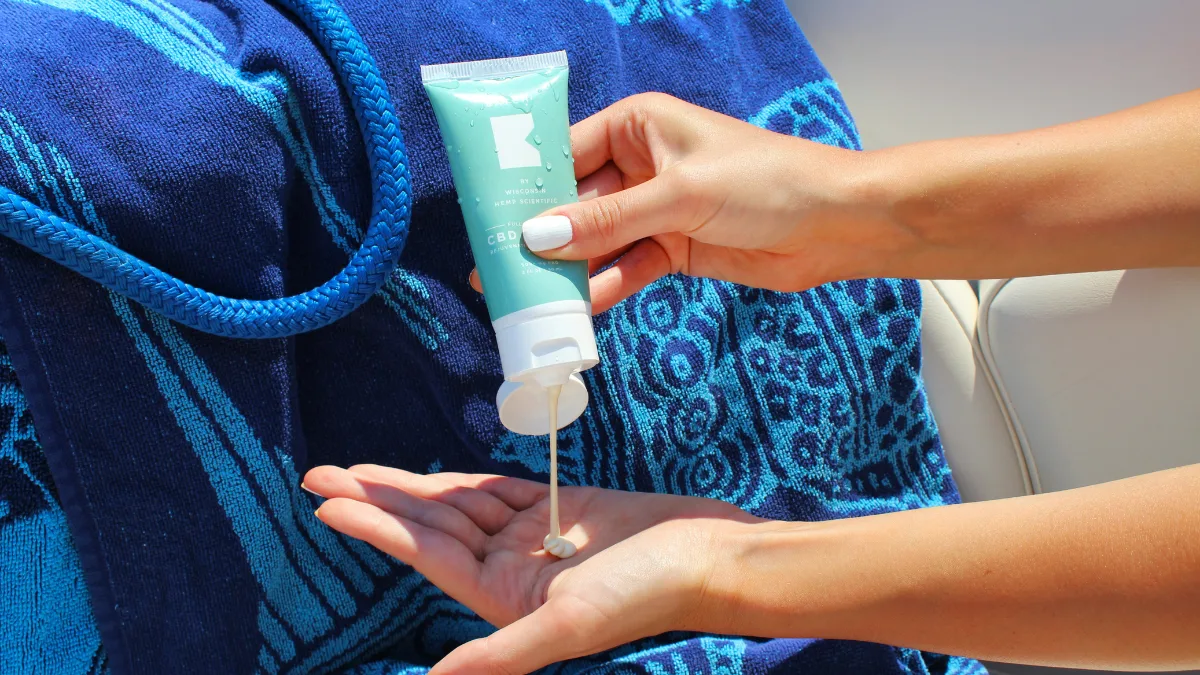
Sunscreen has much stronger evidence when it comes to protecting your skin. In an Australian study involving 903 adults under 55, people who used sunscreen every day showed no detectable increase in skin ageing over 4.5 years. Their skin ageing was also 24% lower than in those who used sunscreen only occasionally. The American Academy of Dermatology recommends using a broad-spectrum sunscreen with SPF 30 or higher. This is especially useful in India, where regular sun exposure can contribute to tanning and uneven pigmentation. If brighter, more even-looking skin is your goal, protecting it from the sun is a good place to start. Sunscreen helps prevent further UV-related pigmentation, while the evidence for lasting skin-lightening benefits from glutathione supplements remains limited.
Sleep and the plate
A good skincare routine is not only about what you apply to your face. Getting enough sleep and eating well can also make a difference to how your skin looks and feels. Late nights and broken sleep may leave you looking tired, with puffiness around your eyes. Over time, poor sleep can also affect how well your skin maintains and repairs itself. Your diet matters too. Protein provides the building blocks for collagen, while fruits and colourful vegetables supply vitamins and antioxidants that support normal skin health. Healthy fats from foods such as nuts and seeds also help maintain the skin's natural barrier. You don't need a special beauty diet. Regular meals with a good mix of these foods are a sensible place to start.
Also read: Skin Ageing and Nutrition: Which nutrients matter, and what does the research actually say?
Acne, pigmentation and melasma need a dermatologist
If what bothers you is acne, dark marks after pimples or melasma (brown patches on the cheeks, often linked to hormones and sun), a supplement will not fix it. A dermatologist can offer proven creams, peels or prescription treatment and can tell you when glutathione has any role at all. If breakouts flare with digestive trouble, our article on gut health and skin breakouts explains what to check before buying capsules. The NHS advises seeing a GP if a mole has changed size, shape or colour, is painful or itchy, or is inflamed, bleeding or crusty. It gives the same advice for a new or unusual mark on your skin that has not gone away after a few weeks.
A severe allergic reaction to a supplement or injection can be life-threatening and needs immediate medical attention. This is called anaphylaxis, and it can develop quickly, sometimes within minutes. According to the NHS, warning signs include:
Swelling of the throat or tongue
Difficulty breathing or unusually fast breathing
Trouble swallowing, a tight throat or a hoarse voice
Wheezing, coughing or noisy breathing
Feeling unusually tired or confused
Dizziness, feeling faint or losing consciousness
Cold, clammy skin
Blue, grey or unusually pale skin, lips or tongue
A raised, swollen or itchy rash, although a rash may not always appear
If you suspect anaphylaxis, call 112 in India immediately. If an adrenaline auto-injector is available, use it as directed without waiting for emergency help to arrive. Don't wait for every symptom to appear, as the reaction can become serious very quickly.
Healthy skin, in every shade
Healthy skin is not about becoming a few shades lighter. It’s about protecting your skin, understanding what it needs and looking after it consistently. Sunscreen, enough sleep, a balanced diet and a simple skincare routine can do more for your skin's long-term health than chasing quick results from every new supplement. If pigmentation, acne marks or uneven skin tone concern you, a dermatologist can help you understand the cause and choose a treatment that actually suits your skin. And before spending money on glutathione or any other skin supplement, look at what the evidence really supports. Good skin care isn't about changing your natural skin tone. It's about taking care of the skin you have.
Sources
Medical Disclaimer: This article is for general information and is not a substitute for advice from your doctor. Speak to a qualified healthcare professional before starting any supplement, especially if you are pregnant, breastfeeding or taking medication.
Continue this topic
Connected guides, ingredient explainers, product context, and tools chosen from this article's topic cluster.
Hair fall, biotin, collagen, scalp, acne, glow, brittle nails
Relevant for hair strength and hair-fall routines.
Creatine is everywhere now. Learn what research shows on safety, kidneys, hair, women, older adults and the brain. Plus how much to take.
Vitamin D3 helps your gut absorb calcium and many Indians run low. Why a blood test comes first and how to use D3 safely for your bones.
Free radicals, oxidative stress and the antioxidants your body makes and eats, explained simply with an Indian plate that covers the bases.
Quick questions
Is it safe to take glutathione tablets every day?
The Bangkok trial found it very well tolerated over four weeks. A 2025 review described the side effects of oral glutathione as substantial compared with skin creams. No trial has followed people for years, so long-term daily safety is not known. A small study found that inhaled glutathione narrowed the airways in people with mild asthma, so check with your doctor first if you have asthma, a long-term illness or take regular medicines.
How long does glutathione take to show results on skin?
The trials were short and measured changes in melanin with a device rather than the eye, so you may not see a clear difference in the mirror. Any lightening tends to fade after you stop taking it.
Can glutathione remove tanning?
There is no good evidence that glutathione reliably removes a tan. A tan fades on its own once sun exposure drops. Daily sunscreen, shade and covering up help stop it coming back.
Can I take glutathione during pregnancy or while breastfeeding?
We found no trial of glutathione supplements for skin in pregnant or breastfeeding women, so their safety at these times is not known. Avoid skin lightening products during this time unless your doctor advises otherwise. Talk to your gynaecologist about any skin changes in pregnancy.
Which is better for skin, collagen or glutathione?
Neither has strong independent evidence for a lasting change you will notice. Collagen trials funded by companies looked positive while independent ones did not. Glutathione shows small, temporary changes in melanin. Sunscreen, sleep, enough protein and a dermatologist for specific problems are the better spend.
10 linked sources checked against our citation and claim-safety process.
Reviewed 20 Oct 2026 for supplement-claim and medical-disclaimer boundaries.
Recommended from the Aora range
Aora Chamrose
Chamomile, Rosemary & Jatamansi Extract
- Hair Care
- Hair Support
- Made in India
From₹960.00
Try Aora - free
Put this article to work on you.
Health and safety notice
- This article is educational. It is not medical advice and is not a substitute for guidance from a qualified healthcare provider. Consult a physician before starting any supplement, especially during pregnancy or breastfeeding, with a medical condition, or while on medication.
- FSSAI compliance: Health supplements and nutraceuticals are not intended for medicinal use. Any supplement-related information is provided to describe nutritional or physiological support and should not be interpreted as a claim to diagnose, treat, cure, or prevent any disease. FSSAI regulates health supplements and nutraceuticals separately from medicinal products.
Read our full medical disclaimer and editorial policy.
Sources and editorial standards
- 12016 review published in the Indian Journal of Dermatology, Venereology and Leprology
- 2Arjinpathana and Asawanonda, 2012
- 3Sarkar and colleagues, 2025
- 4Marrades and colleagues, 1997
- 5Myung and Park, 2025
- 6MedlinePlus
- 7Australian study involving 903 adults under 55
- 8American Academy of Dermatology
- 9NHS
- 10NHS
Supplement content is educational only and should not replace medical advice from a qualified clinician. Product mentions are reviewed for claim safety before publication.