High Protein Indian Breakfast: What It Does and Easy Swaps
Most Indian breakfasts are mostly cereal. Learn what morning protein really does for fullness, cravings and muscle, plus easy swaps from home food.
In this article(14 sections)
- Why the usual Indian breakfast falls short
- How much protein an Indian adult needs
- What protein at breakfast actually does
- Fullness
- Cravings later in the day
- Muscle as you get older
- Does protein boost your metabolism?
- Easy high protein swaps for an Indian breakfast
- Vegetarian options
- Non-vegetarian options
- Do you need protein powder or protein bars?
- Who should be careful
- A simple way to start
- Sources
Protein seems to be everywhere these days. There are protein bars at supermarket counters, protein shakes in every flavour and even cafés serving protein chai. But while everyone is talking about getting more protein, what about the breakfast you already eat? Think about your usual morning. A plate of poha, two idlis or a couple of slices of toast with tea. It's familiar, filling for a while and easy to put together before work. But depending on what you eat, breakfast could also be the meal where you are getting the least protein. But the good news is that a high protein Indian breakfast doesn’t need expensive powders, fancy ingredients or a completely different menu. Adding eggs, paneer, curd or a little extra dal to your usual meal can make a difference.
Protein can help you stay full for longer, and some research suggests that eating more of it at breakfast may reduce snacking later in the day. Getting enough protein across your meals also matters for maintaining muscle as you age. So, how much protein does breakfast actually need, and how can you add more without changing everything on your plate? Let us start with the foods already in your kitchen.
Why the usual Indian breakfast falls short

Look at what most of us might eat in the morning. Poha. Upma. Two slices of toast with butter. Idli with a little sambar. Aloo paratha. These are good, filling foods. They are also mostly cereal. Cereals do carry some protein. In the ICMR-NIN model plate, 250 g of cereals gives about 25 g of protein for the whole day. That works out to roughly 10 g for every 100 g of grain. So a plate of poha made from about 60 g of flattened rice gives you about 6 g at most. Then a general Indian lunch has dal, curd or a bit of chicken. Dinner often has the most of all. This lopsided pattern is common around the world too. Researchers who study protein timing describe breakfast in many countries as carbohydrate rich and low in protein, with intake skewed toward the evening meal.
How much protein an Indian adult needs
ICMR-NIN sets the requirement for healthy Indian adults at 0.83 g of protein per kilo of body weight per day. The same document adds a footnote that matters for many Indian homes. If your diet is mostly cereal with low quality protein, the requirement goes up to 1 g per kilo per day. So a person who weighs 60 kilos needs about 50 g a day. If most of their food is rice or roti with a thin dal, aim nearer 60 g. Split that over three meals and breakfast should carry something like 15 to 20 g. A plain plate of poha gives about a third of that.
If you want to understand protein next to carbs and fat, this article on what macronutrients are covers the basics.
What protein at breakfast actually does
Fullness
Protein can help you feel fuller after a meal, but the effect may not be as dramatic as some advertisements make it sound. A large review published in the American Journal of Clinical Nutrition found that people generally felt a little fuller after eating higher-protein meals. However, that didn't necessarily mean they ate less at their next meal. In plain words, you may feel fuller through the morning and still eat a full lunch.
Cravings later in the day
A small study of 20 young women who were overweight or obese found that a breakfast with 35 g of protein helped them feel fuller and reduced evening snacking on high-fat foods. A cereal breakfast with 13 g of protein did not have the same effect. However, total daily calorie intake was similar with both breakfasts. Since the study was small, the findings are interesting but may not apply to everyone.
If sweet cravings are your main problem, read why you might crave sugar all the time. If the trouble starts after dinner, read this article on late-night cravings.
Muscle as you get older
Your muscles are rebuilt a little every day. Each protein meal gives them a fresh supply of building blocks. In one carefully controlled study, adults who ate about 30 g of protein at each of three meals had 25% higher muscle protein synthesis over 24 hours than when the same total protein was pushed mostly into dinner. The study involved just eight people and lasted only a week. It measured muscle protein synthesis, not changes in muscle strength or size over time. Still, it suggests that spreading your protein intake across meals may be better than eating most of it at dinner. This becomes even more important as you get older, because your body naturally loses muscle with age, especially if you don't stay physically active. ICMR-NIN advises good quality protein together with resistance exercise to build and keep muscle. Protein alone will not do it. You need the push-ups, squats or weights too.
Our article on why men lose muscle after 30 explains the process.
Does protein boost your metabolism?
Your body spends some energy digesting food. Scientists call this diet induced thermogenesis. A review of diet induced thermogenesis found that protein takes more energy to process than carbs or fat. On a mixed diet, though, all of this digestion work comes to about 5 to 15% of the energy you use in a day. Swapping your poha for a besan chilla shifts only a small part of that. So no, a protein breakfast will not turn your body into a fat-burning machine. The real benefit for weight comes from feeling fuller and snacking less. The review in the American Journal of Clinical Nutrition found that higher-protein diets during calorie cutting led to more fat loss and better preservation of lean mass in tightly controlled short studies. Longer studies were mixed. The authors pointed to people not sticking with the diet as the main reason. That last point is the useful one. A protein breakfast helps with weight only if you can keep eating it on a rushed Monday.
Easy high protein swaps for an Indian breakfast
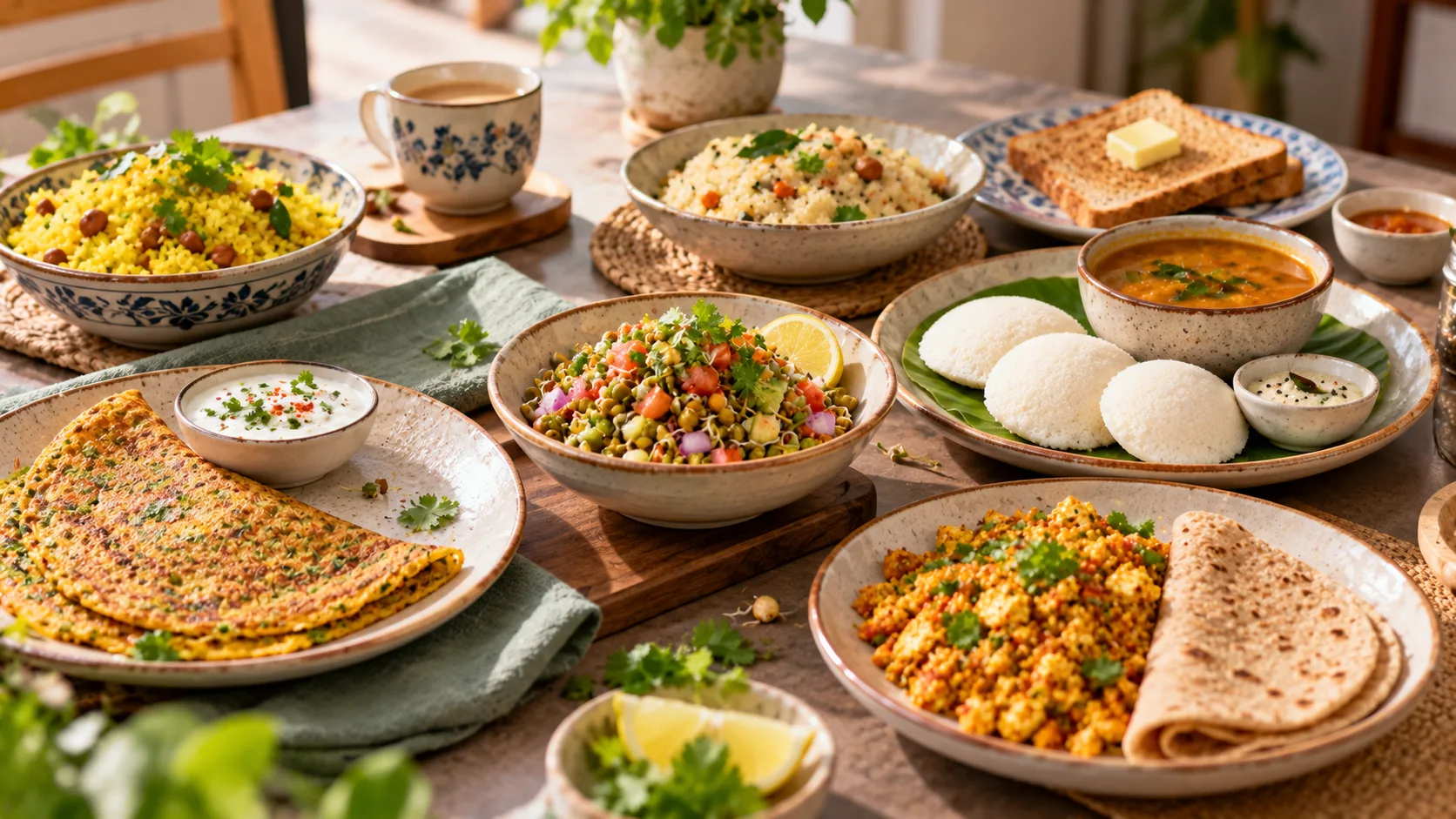
You don’t need to change your entire breakfast to get more protein. A few small additions to the foods you already eat can make a difference. Here are some easy swaps to try, along with roughly how much protein they provide. The estimates are based on the ICMR-NIN model plate, which lists around 20 g of protein from 85 g of raw pulses and 10 g from 300 ml of milk or curd. For eggs, one large egg provides approximately 7 g of protein. The actual amount you get will depend on your portion size and how the food is prepared.
Vegetarian options
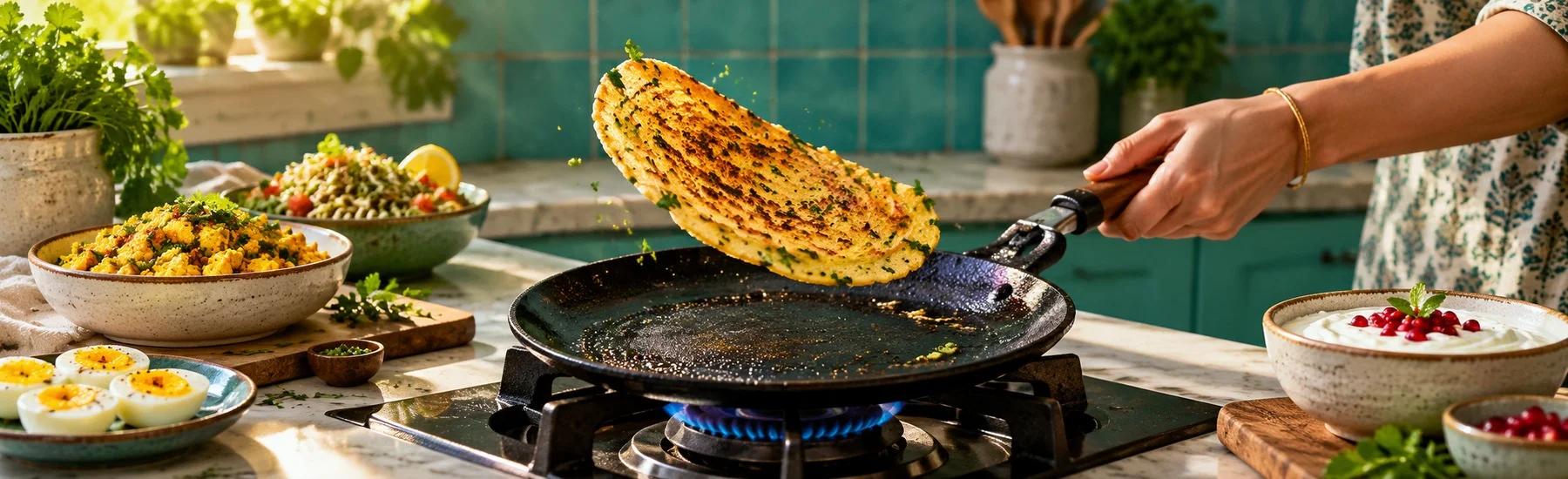
Besan chilla made with about 50 g of besan: Roughly 11 to 12 g. Add grated paneer or a spoon of curd on the side for more.
Pesarattu made with about 50 g of whole moong: Roughly 11 to 12 g. Serve it with ginger chutney the Andhra way.
Moong or chana sprouts chaat from about 50 g of dry pulses: Roughly 11 to 12 g, with onion, tomato and lemon.
A bowl of curd (about 200 g): Roughly 7 g. Pair it with a paratha instead of eating the paratha alone.
Paneer bhurji with one roti: Paneer is concentrated milk protein, so even a small portion lifts the plate a lot.
Idli with a full bowl of sambar instead of a spoonful: The dal in the sambar is where the protein sits.
Non-vegetarian options
Two-egg bhurji or omelette with one slice of toast: About 14 g from the eggs, plus about 3 g from the bread.
Boiled eggs with your poha or upma: Each egg adds about 7 g.
Leftover chicken or keema from dinner with a roti: Adding around 50 g of cooked chicken or keema can give you roughly 12 to 15 g of extra protein, depending on the type of meat and how it's prepared.
You don't have to give up your usual poha or upma to get more protein at breakfast. Just add a little more to what's already on your plate. A bowl of curd and a boiled egg with your poha, for example, can take the meal from around 6 g of protein to nearly 20 g. You could add roasted peanuts and sprouts to upma, use more urad dal in your dosa batter or try an adai made with mixed dals. If you are vegetarian, pairing cereals with pulses is another simple way to improve protein quality. The ICMR-NIN guidelines recommend combining cereals and pulses in a 3:1 ratio. Think idli with sambar, roti with dal or a bowl of khichdi. Chances are, you might be already eating some of these combinations at home.
Do you need protein powder or protein bars?
For most healthy adults, no. The ICMR-NIN dietary guidelines say plainly that protein powders are unnecessary for normal healthy life. They also warn that long periods of excess protein from supplements can affect health. Vegetarians can meet their needs with pulses, beans and milk or curd. Non-vegetarians can use eggs, fish and meat. Powder can make sense in a few cases. Someone with a very poor appetite, an older parent who struggles to eat enough, or a person training hard who cannot fit in enough food may find it convenient. If you go that way, read labels with care. Our guide on protein powder and digestion covers what to check. Protein bars and protein chai are a different matter. Some are closer to a chocolate bar with a little protein added than to a meal. Turn the pack over and read the grams of protein against the grams of sugar before you pay extra for the label.
Who should be careful
If you have kidney disease, speak to your doctor before you raise your protein intake. The same goes if you have diabetes with kidney changes or have been told to limit protein for any reason. Pregnant women have higher needs and should follow their doctor's plan. Do not just add eggs and wait if something feels wrong. The NHS says to see a GP if you have felt tired for a few weeks and are not sure why, your tiredness affects your daily life, or you feel tired and have other symptoms, such as weight loss or mood changes, or you have been told you make gasping, snorting or choking noises when asleep. It gives the same advice if you keep losing weight without changing your diet or exercise routine.
A simple way to start
Pick one breakfast this week and add one protein food to it. Curd with your paratha. An egg with your poha. Sprouts with your upma. Notice how you feel at 11 am and again at 4 pm. You do not need the shiny packet from the cafe counter. A hot pesarattu and a bowl of curd were doing this job long before protein became a trend.
Sources
Dietary Guidelines for Indians (ICMR-National Institute of Nutrition, 2024)
The role of protein in weight loss and maintenance (American Journal of Clinical Nutrition, 2015)
MedlinePlus: Protein in diet (US National Library of Medicine)
Medical Disclaimer: This article is for general information and is not a substitute for advice from your doctor. Speak to a qualified healthcare professional before starting any supplement, especially if you are pregnant, breastfeeding or taking medication.
Continue this topic
Connected guides, ingredient explainers, product context, and tools chosen from this article's topic cluster.
Cravings, protein, insulin sensitivity, fibre, metabolism basics
Relevant for daily micronutrient coverage during a weight or metabolism plan.
CGM graphs of idli and rice spikes are everywhere. This guide explains what a rise after a meal really means, what is normal and the simple habits that help.
A production bug at 6 pm and your hand is already in the namkeen drawer. Follow the chain from cortisol to the reward system, short sleep and a desk full of snacks, then break it.
Skipped breakfasts, midnight noodles and cup after cup of chai. A calm guide to eating, drinking and sleeping well through exam season.
Quick questions
How much protein should I eat at breakfast?
Splitting the day's need over three meals puts breakfast at about 15 to 20 g for a person of around 60 kilos. A plain plate of poha gives about 6 g or less, so adding curd, an egg or a dal-based dish closes most of the gap.
Is a high protein breakfast good for weight loss?
It can help because protein can make you feel fuller and, in one small trial, reduced snacking later in the day. It does not burn much extra fat on its own. Weight loss still comes down to your total food over the day, your activity and whether you can stick with the habit.
What is the best vegetarian high protein breakfast in India?
Besan chilla, pesarattu, moong sprouts chaat and paneer bhurji are among the easiest. A bowl of thick curd with a paratha or idli with a full bowl of sambar also works well. Pairing a cereal with a dal improves the quality of the protein.
How many eggs a day are enough for protein?
One large egg gives roughly 7 g of protein, so two eggs at breakfast cover a good share of the morning target. How many eggs suit you overall depends on the rest of your diet and your health. If you have high cholesterol or heart disease, ask your doctor for a number that fits you.
Is protein chai or a protein bar a good breakfast?
It is a convenient option but not a necessary one. Some of these products add sugar, fat and cost along with the protein. Check the grams of protein and sugar on the label and compare them with eggs, curd or a besan chilla made at home.
10 linked sources checked against our citation and claim-safety process.
Reviewed 20 Oct 2026 for supplement-claim and medical-disclaimer boundaries.
Recommended from the Aora range
Aora Nutrivit Plus
19 Essential Nutrients with Zinc, Magnesium and Vitamins B Complex, C and D3
- Multivitamin
- Daily Foundation
- Made in India
From₹690.00
Try Aora - free
Put this article to work on you.
Health and safety notice
- This article is educational. It is not medical advice and is not a substitute for guidance from a qualified healthcare provider. Consult a physician before starting any supplement, especially during pregnancy or breastfeeding, with a medical condition, or while on medication.
- FSSAI compliance: Health supplements and nutraceuticals are not intended for medicinal use. Any supplement-related information is provided to describe nutritional or physiological support and should not be interpreted as a claim to diagnose, treat, cure, or prevent any disease. FSSAI regulates health supplements and nutraceuticals separately from medicinal products.
Read our full medical disclaimer and editorial policy.
Sources and editorial standards
- 1250 g of cereals gives about 25 g of protein
- 2carbohydrate rich and low in protein, with intake skewed toward the evening meal
- 30.83 g of protein per kilo of body weight per day
- 4review published in the American Journal of Clinical Nutrition
- 5small study of 20 young women
- 6good quality protein together with resistance exercise
- 7review of diet induced thermogenesis
- 8one large egg provides approximately 7 g of protein
- 9NHS says to see a GP
- 10keep losing weight
Supplement content is educational only and should not replace medical advice from a qualified clinician. Product mentions are reviewed for claim safety before publication.