PMS Symptoms: Why the Week Before Your Period Feels So Hard
Snapping, tears, cravings and bloating before your period? What PMS is, when it may be PMDD, what helps and what supplement research shows.

In this article(12 sections)
- What do PMS symptoms look like?
- Why does your body do this before a period?
- The cravings and the bloating
- How do you know if it is PMDD?
- Track two cycles before you decide anything
- What helps in daily life
- What does research say about calcium and other nutrients?
- What a doctor may offer
- PMS at home, school and office
- When to see a doctor
- Back to that evening
- Sources
Some months, you can tell your period is coming before you even check the calendar. Little things start getting on your nerves. You feel more emotional than usual, your jeans suddenly feel too tight around your waist, and you crave something salty or sweet. You might even snap at someone over something small, then wonder later why it bothered you so much. A few days later, your period arrives, and those feelings gradually begin to settle. These are some of the common PMS symptoms, or signs of premenstrual syndrome. They can appear in the week or two before your period and usually ease within a few days after it starts. Some women barely notice them, while others find that mood changes, bloating or discomfort interfere with their daily routine. The symptoms can vary from month to month, but if they keep returning around the same time, there are ways to manage them. Understanding what causes PMS, which everyday habits may help, and when to see a doctor can make those difficult days easier.
What do PMS symptoms look like?

PMS shows up differently in every woman and can change from one month to the next. The NHS says the most common symptoms include:
Mood swings, irritability or feeling low
Feeling upset, anxious or close to tears
Tiredness or trouble sleeping
Bloating or cramping
Breast tenderness
Headaches
Spots on the skin or greasy hair
Changes in appetite or food cravings
The timing is the real clue. MedlinePlus says PMS symptoms most often start about 5 to 11 days before your period and in most cases stop when, or shortly after, it begins. If you feel the same way all month, something else may be going on, so see a doctor. You are far from alone. A review of 25 Indian studies with 8,542 participants found that about 43% of Indian women of reproductive age reported PMS. Among adolescents, the figure was 49.6%.
Why does your body do this before a period?
Your hormones rise and fall across the month. After ovulation, levels of oestrogen and progesterone climb. Then, if you are not pregnant, they drop sharply in the days before bleeding begins. Doctors still do not know exactly why this causes symptoms. The NHS says it may be linked to these hormone changes and that some women are simply more sensitive to them than others. This may help explain why a friend can sail through the same week while you feel turned inside out.
The cravings and the bloating
Craving chocolate, sweets or salty snacks is common in the days before your period. Feeling tired or low can make those cravings harder to ignore, especially when you're looking for something comforting. Bloating is another common PMS symptom, often caused by your body retaining extra water. Eating a lot of salty foods may make that uncomfortable, puffy feeling worse.
Also read: Why do you crave sugar all the time. Other Common Causes Explained.
How do you know if it is PMDD?
Premenstrual dysphoric disorder, or PMDD, is the severe form. MedlinePlus describes it as severe depression, irritability and tension before menstruation, with at least one mood symptom. The pattern is the same as PMS. It builds in the week before bleeding and usually improves within a few days after the period starts. The difference is how hard it hits. MedlinePlus lists these common PMDD symptoms:
Lack of interest in daily activities and relationships
Fatigue or low energy
Sadness or hopelessness
Anxiety
Feeling out of control
Food cravings or binge eating
Mood swings sometimes with bouts of crying
Panic attacks
Irritability or anger that affects other people
Bloating, breast tenderness, headaches and joint or muscle pain
Problems sleeping
Trouble concentrating
MedlinePlus adds that the sadness or hopelessness can come with thoughts of suicide. The Indian review above found PMDD in about 8% of women studied. PMDD is a recognised medical condition and it is treatable. According to MedlinePlus, most women with PMDD find their symptoms go away or drop to a level they can live with after proper diagnosis and treatment. If you have thoughts of harming yourself or ending your life, get help straight away. If your life is in danger, call 112. If you or someone you know is struggling, call Tele-MANAS on 14416 (free, 24 hours). If you have PMDD (premenstrual dysphoric disorder) and are experiencing suicidal thoughts, seek emergency medical help immediately. The NHS advises going to the nearest emergency department or calling for an ambulance. In India, you can call 112 for emergency assistance. Don't drive yourself. Ask someone you trust to accompany you or arrange an ambulance.
Track two cycles before you decide anything

A simple first step is to write it down. The NHS suggests keeping a symptom diary for at least two menstrual cycles and taking it to your doctor. A notebook or a period app on your phone both work. Each day, note:
The date and the day of your cycle, with day 1 as the first day of bleeding
Your mood, rated from 0 to 3
Body symptoms such as bloating, breast pain or headache
Cravings and sleep
Anything that disrupted your day, such as missing college or leaving work early
After two months, you will see whether your bad days cluster before your period or are spread across the month. That pattern is what a doctor needs. No physical exam or lab test can diagnose PMDD, so your diary does much of the work.
What helps in daily life
A few changes to your daily routine may help make PMS symptoms easier to manage. Both the NHS and MedlinePlus recommend starting with regular exercise, good sleep and healthy eating habits.
Stay active. You don't need an intense workout. A brisk walk, yoga or even dancing at home can help you stay active and may ease some PMS symptoms.
Get enough sleep. Poor sleep can make tiredness and irritability harder to manage. Try to keep a regular bedtime, especially in the days leading up to your period.
Eat regularly. The NHS suggests smaller, more frequent meals, around every two to three hours, if that works for you. Instead of skipping meals and feeling very hungry later, try to eat at regular intervals.
Cut back on salt, sugar and caffeine. MedlinePlus recommends limiting these, along with alcohol, to help manage PMS. Too much salt may worsen bloating, while caffeine late in the day can affect your sleep.
Keep satisfying snacks handy. If you tend to crave something salty or crunchy, try roasted chana, peanuts or makhana. You can still enjoy your favourite snacks. The idea is to have a few nutritious options available when hunger strikes.
Find small ways to relax. Stress can make PMS feel harder to deal with. A little quiet time, gentle yoga or a few minutes of slow breathing before bed may help you unwind.
If you experience period cramps or headaches, painkillers such as ibuprofen or paracetamol may provide relief. Check with your doctor or pharmacist about which medicine is suitable for you, especially if you have other health conditions or take regular medication.
If tiredness continues during your period, it may help to look at other possible causes, particularly if you have heavy bleeding.
Also read:
Period Fatigue: Why You Feel So Tired During Your Period
Iron Deficiency in Women: Symptoms and When to Get Tested
Magnesium Deficiency: Common Signs and What to Look For
What does research say about calcium and other nutrients?
Some women also consider supplements to help manage PMS symptoms. Calcium is one of the nutrients researchers have studied. In a study of 497 women with moderate to severe PMS, researchers compared 1,200 mg of calcium daily with a placebo (a pill without an active ingredient). After three menstrual cycles, PMS symptom scores dropped by 48% in the calcium group, compared with 30% in the placebo group. Symptoms such as food cravings, bloating, mood changes and pain improved. The study was conducted in 1998, and women taking the placebo also reported improvements. It suggests calcium may help ease some PMS symptoms, although results can vary from person to person. Before considering supplements, make sure you're getting enough calcium from foods such as curd, milk, paneer, ragi and sesame seeds.
A review of 31 trials also found that calcium, vitamin B6 and zinc may help with PMS-related mood symptoms. However, most studies had limitations, so more research is needed. You can get zinc from everyday foods such as chana, rajma, pumpkin seeds, cashews, eggs and dairy products. Check with your doctor or pharmacist before starting supplements, especially if you take regular medicines, as the NHS advises. If your symptoms are severe enough to affect your daily life, supplements alone may not be enough. For a more severe condition called PMDD, MedlinePlus describes treatments such as antidepressants (SSRIs) and talking therapy, alongside healthy lifestyle habits. A doctor can help you decide what treatment is appropriate.
What a doctor may offer
If habits and two cycles of tracking are not enough, a gynaecologist or your family doctor has treatment options. According to the NHS and MedlinePlus, these include:
Hormonal medicine, such as the combined contraceptive pill
Antidepressants called SSRIs, which are often the first choice for PMDD. Some women take them only in the second half of the cycle.
Cognitive behavioural therapy, a talking therapy that teaches practical ways to handle the thoughts and reactions that flare each month
Pain relief for cramps, headaches and breast pain
Your doctor may also test your thyroid to rule out other causes.
PMS at home, school and office
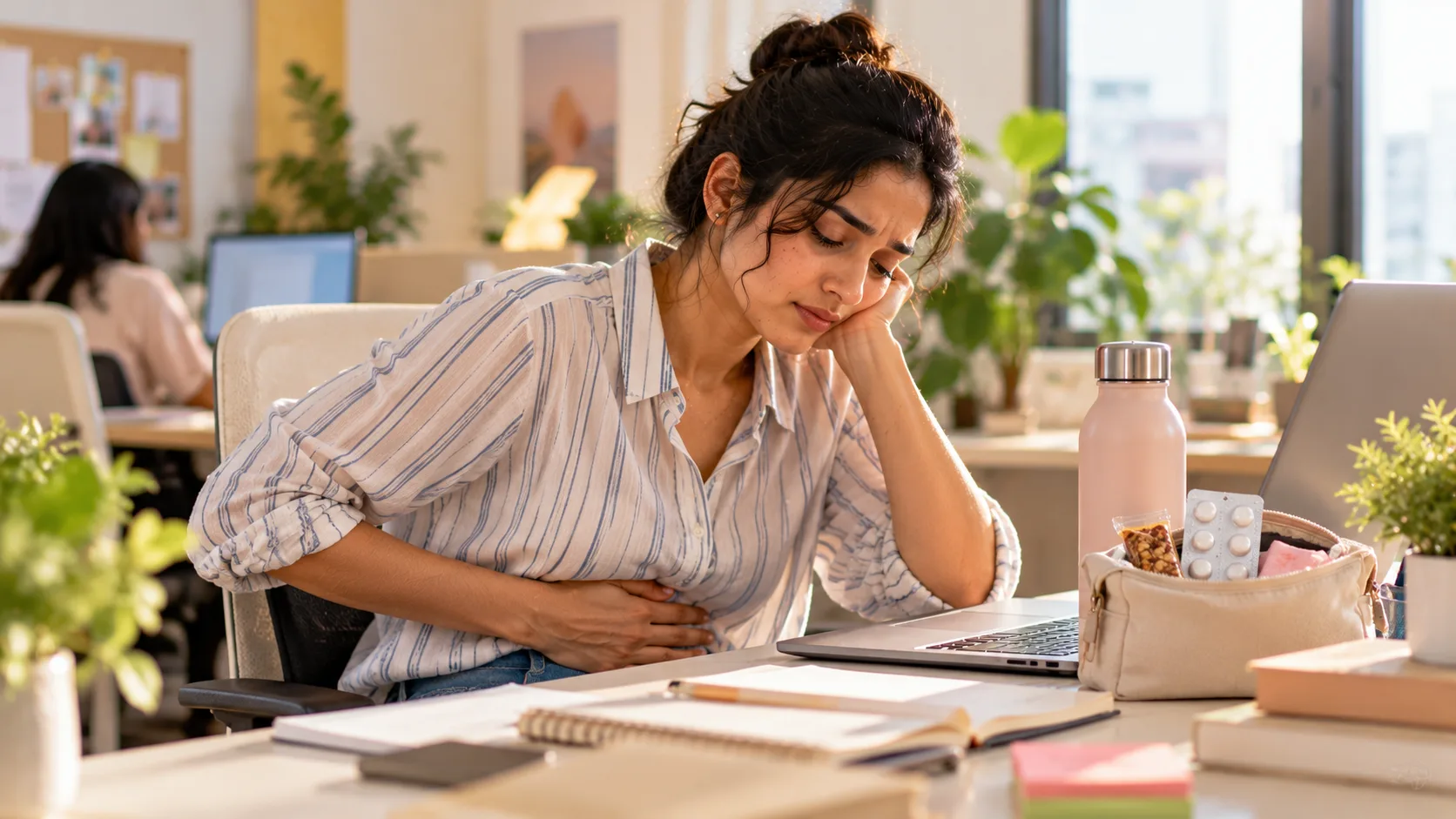
In many Indian homes, periods are still something people hesitate to talk about openly. Mood swings may be dismissed as bad temper, while cramps, headaches and tiredness are often treated as things women should simply put up with. At school or work, it can be difficult to explain why you're struggling when you look perfectly fine. Talking about your symptoms can help. If you've been tracking them, share what you've noticed with someone you trust at home. Keep water, a snack and any pain relief recommended by your doctor or pharmacist handy for difficult days. If your school or workplace offers flexible hours, consider using them when symptoms are particularly troublesome. You shouldn’t have to hide how you're feeling or push through severe symptoms every month. If PMS regularly affects your studies, work or relationships, speak to a doctor about ways to manage it.
When to see a doctor
The NHS advises seeing a GP if you have symptoms of PMS and lifestyle changes have not helped, or your symptoms are affecting your daily life. MedlinePlus gives the same two reasons for PMDD. If you take medicines, the NHS also advises checking with a GP or pharmacist before starting regular supplements. If you feel the same way all month, not only before your period, see a doctor, as something other than PMS may be going on. Thoughts of harming yourself need help straight away at any time of the month, as set out in the PMDD section above.
Back to that evening
Next month you will see it coming. Your diary will show you which days are the hard ones. You might plan an early night, swap the namkeen for roasted chana and tell your mother before dinner that this is your rough week. Some months it may still get the better of you, but knowing the pattern helps. If it is bigger than habits can handle, asking a doctor for help is a sensible next step.
Sources
Medical Disclaimer: This article is for general information and is not a substitute for advice from your doctor. Speak to a qualified healthcare professional before starting any supplement, especially if you are pregnant, breastfeeding or taking medication.
Continue this topic
Connected guides, ingredient explainers, product context, and tools chosen from this article's topic cluster.
Cravings, protein, insulin sensitivity, fibre, metabolism basics
Relevant for daily micronutrient coverage during a weight or metabolism plan.
Most Indian breakfasts are mostly cereal. Learn what morning protein really does for fullness, cravings and muscle, plus easy swaps from home food.
A production bug at 6 pm and your hand is already in the namkeen drawer. Follow the chain from cortisol to the reward system, short sleep and a desk full of snacks, then break it.
Nighttime hunger often has more to do with what happened earlier in the day than the clock. Here is what may be driving late-night cravings and when they deserve a closer look.
Quick questions
How many days before a period do PMS symptoms start?
According to MedlinePlus, PMS symptoms most often begin about 5 to 11 days before your period. In most cases they stop when, or shortly after, bleeding starts. If you feel the same way all month, the cause is more likely something other than PMS.
Is it normal to cry a lot before my period?
Feeling teary, upset or low before a period is one of the common mood symptoms of PMS. It usually lifts once the period begins. The NHS advises seeing a GP if lifestyle changes have not helped or your symptoms are affecting your daily life.
Can PMS symptoms feel like early pregnancy?
Some PMS symptoms overlap with early pregnancy. Breast tenderness, tiredness, bloating and mood changes can occur in both. If your period is late and you have had unprotected sex, a home pregnancy test is the simplest way to check.
Is PMDD the same as depression?
PMDD is not the same as depression. PMDD follows your cycle. Symptoms build in the week before your period and usually improve within a few days after it starts. Depression tends to stay through the month. Both are treatable, so a doctor needs your symptom diary to tell them apart.
Which doctor should I see for PMS?
Start with your family doctor or a gynaecologist and take your symptom diary from at least two cycles. If symptoms continue after treatment, the NHS says you may be referred to a gynaecologist, psychiatrist or counsellor.
5 linked sources checked against our citation and claim-safety process.
Reviewed 27 Oct 2026 for supplement-claim and medical-disclaimer boundaries.
Recommended from the Aora range
Aora Nutrivit Plus
19 Essential Nutrients with Zinc, Magnesium and Vitamins B Complex, C and D3
- Multivitamin
- Daily Foundation
- Made in India
From₹690.00
Try Aora - free
Put this article to work on you.
Health and safety notice
- This article is educational. It is not medical advice and is not a substitute for guidance from a qualified healthcare provider. Consult a physician before starting any supplement, especially during pregnancy or breastfeeding, with a medical condition, or while on medication.
- FSSAI compliance: Health supplements and nutraceuticals are not intended for medicinal use. Any supplement-related information is provided to describe nutritional or physiological support and should not be interpreted as a claim to diagnose, treat, cure, or prevent any disease. FSSAI regulates health supplements and nutraceuticals separately from medicinal products.
Read our full medical disclaimer and editorial policy.
Sources and editorial standards
- 1NHS
- 2MedlinePlus
- 3review of 25 Indian studies
- 4study of 497 women with moderate to severe PMS
- 5review of 31 trials
Supplement content is educational only and should not replace medical advice from a qualified clinician. Product mentions are reviewed for claim safety before publication.