

How Much Water Should I Drink a Day in Indian Weather?
A 4 pm headache and a full bottle on your desk. How your body balances water, what ICMR and other experts advise and how heat, sweat and age change your needs.

In this article(18 sections)
- Why does your body need water every single day?
- How does your body know when you need a drink?
- So, how much water should you drink a day?
- Where does the eight glasses rule come from?
- What affects how much water you need?
- Heat and humidity
- Exercise and physical activity
- Age
- Pregnancy and breastfeeding
- Illness
- Does food count towards your water?
- How can you tell if you are drinking enough?
- Signs of dehydration to watch for
- When heat becomes dangerous
- Can you drink too much water?
- When your doctor sets the limit
- A simple routine for hot Indian days
- Sources
It's a hot afternoon, and you've been sitting at your desk for hours. A dull headache starts creeping in, and you assume it's from staring at your screen. Then you reach for your water bottle and realise you've barely touched it since morning. Sound familiar? It makes you wonder: how much water should I drink a day to stay properly hydrated? For most healthy Indian adults, the ICMR-NIN Dietary Guidelines for Indians recommend around two litres of fluids daily, roughly eight glasses, as a general starting point. But your actual needs depend on several things, including the weather, physical activity, how much you sweat and your overall health. Someone working outdoors in Chennai's summer heat may need considerably more than someone spending most of the day indoors. So how do you know whether you're drinking enough?
Why does your body need water every single day?
Water makes up about 70% of your body weight, according to the same ICMR-NIN guidelines. It is the base of your blood. It carries nutrients into cells and waste out of them. It keeps your body temperature steady through sweat. You lose water all day through urine, stool, breath and sweat, especially in an Indian summer. Your body has no large water tank to draw on, so whatever you lose has to be replaced through drinks and food.
How does your body know when you need a drink?
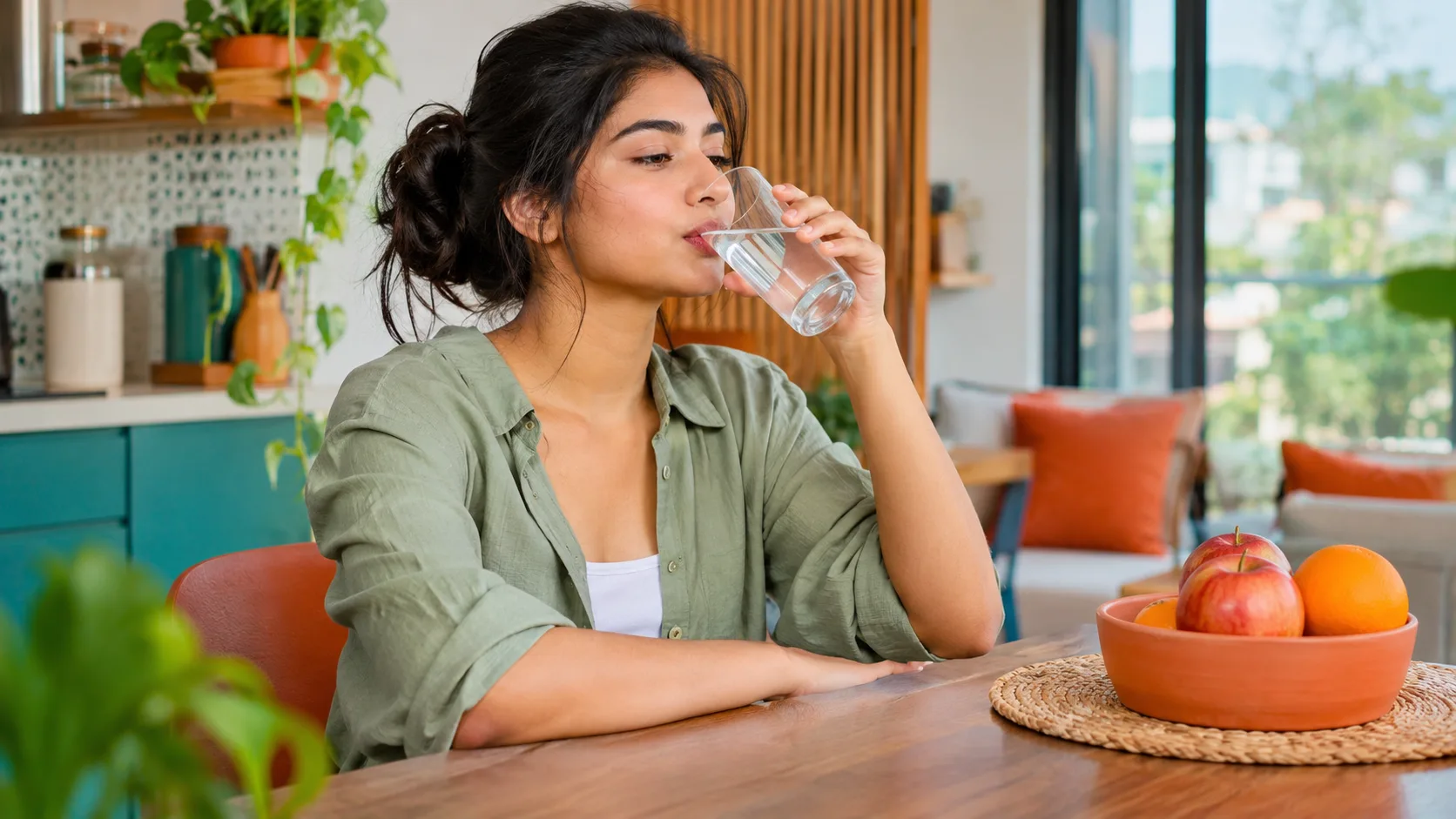
When you lose water, your blood becomes slightly more concentrated. Sensors in a part of the brain called the hypothalamus pick this up. Two things then happen together.
You feel thirsty. Your mouth gets dry and water starts to sound very appealing.
Your brain releases a hormone called ADH (antidiuretic hormone, which simply means "anti urine" hormone). ADH travels to your kidneys and tells them to hold on to water. Your urine becomes smaller in amount and darker in colour.
When you drink enough, the opposite happens. ADH falls, your kidneys let more water go and your urine turns pale again. The US National Academies panel concluded that most healthy people meet their daily needs by letting thirst be their guide along with normal drinking at meals.\ Thirst is easy to ignore, though. Back at your desk, you were busy. The signal was there in the late morning. You just did not answer it.
So, how much water should you drink a day?
Different health organisations recommend slightly different amounts of water, mainly because they measure fluid intake in different ways.
ICMR-NIN (India): The guidelines recommend around eight glasses, or approximately two litres of fluids a day, for a healthy adult. This includes water and other beverages. You may need more during hot weather or when physical activity causes you to sweat heavily.
US National Academies: The recommended adequate intake is approximately 2.7 litres of total water daily for women and 3.7 litres for men. These figures include water from food as well as drinks. According to the National Academies, around 20% of daily water intake typically comes from food, while the remaining 80% comes from beverages, including tea and coffee.
The difference is important. The Indian guideline focuses on how much fluid you drink, while the US recommendations also count moisture from foods such as fruits, vegetables, curd and cooked meals. For most healthy adults in India, around two litres of fluids daily is a practical starting point, rather than a strict target. Your needs may be higher during hot weather, exercise or physically demanding work.
Where does the eight glasses rule come from?
Almost everyone has heard you must drink eight glasses of water a day. The trouble is the rigid version of it, where you force down eight glasses of plain water whether you are thirsty or not and tea does not count. A well known review in the American Journal of Physiology went looking for the science behind that strict rule. The author found no scientific studies supporting "at least eight glasses" for healthy adults in a temperate climate leading a mostly sedentary life. He also found that caffeinated drinks can count towards the daily total. The same review was clear that larger amounts are needed for vigorous work and exercise, especially in hot climates. That last line matters for India. The ICMR guideline of about eight glasses is a sensible average. It is not a fixed quota that must be filled with plain water only. A labourer on a construction site in Nagpur in May needs far more than an office worker in Bengaluru in December.
What affects how much water you need?
Your daily water needs aren't always the same. Weather, activity levels, age and health can all influence how much fluid your body requires.
Heat and humidity
During a hot, humid Indian summer, your body loses water through sweat, even when you're not exercising. The ICMR-NIN guidelines explain that fluid requirements increase in very hot weather, especially when sweating is heavy.
Exercise and physical activity
Whether you're going for a long walk, playing cricket or working out at the gym, physical activity increases water loss through sweat. Drink fluids before, during and after exercise, adjusting the amount to how much you sweat.
Age
Older adults may be more vulnerable to dehydration because their sense of thirst can become less reliable. ICMR-NIN recommends approximately two litres of fluids daily for older adults, although individual health conditions may change this requirement. Offering water regularly can help, especially when someone doesn't feel thirsty.
Pregnancy and breastfeeding
Your body needs additional fluids during pregnancy and breastfeeding. The ICMR-NIN Dietary Guidelines for Indians advise pregnant and breastfeeding women to drink plenty of fluids, generally more than two litres daily, while limiting tea and coffee.
Illness
Fever, vomiting and diarrhoea can cause your body to lose fluids more quickly. When you're losing both water and electrolytes, drinking plain water may not always be enough. The NHS recommends oral rehydration solution (ORS) when needed to replace fluids and salts lost through vomiting or diarrhoea.
Does food count towards your water?
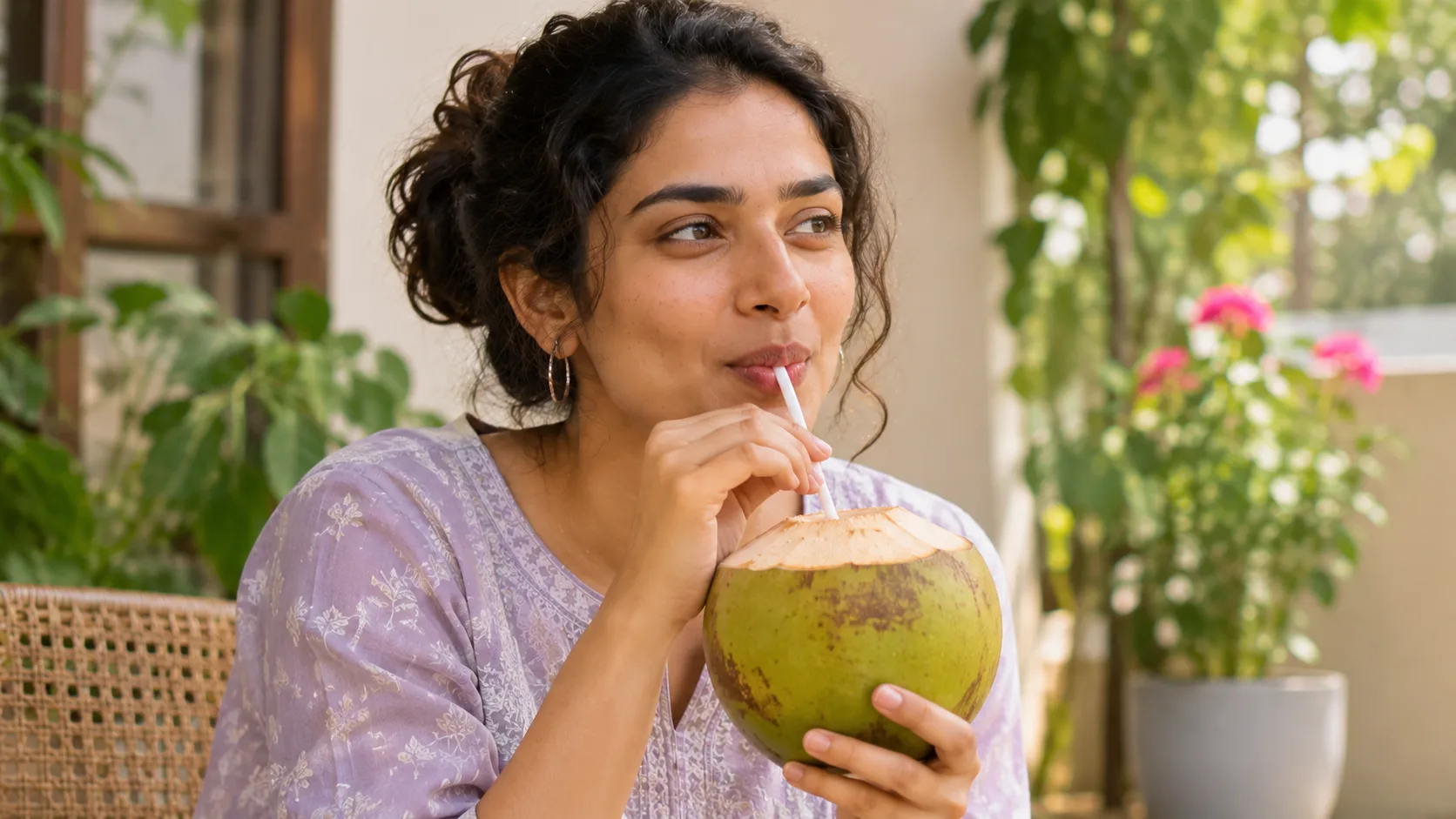
Food counts too. An Indian plate carries a good amount of water.
Curd, buttermilk and lassi
Dal, sambar, rasam and vegetable curries
Fruits such as watermelon, muskmelon, oranges and cucumber
Tender coconut water and lemon water, which ICMR lists among useful drinks for thirst
Tea and coffee count as well, according to the US National Academies panel. Sugary soft drinks are another matter. ICMR advises replacing them with buttermilk, lemon water, coconut water or whole fruit. If plain water ever leaves you feeling full and puffy, our article on whether drinking water can cause bloating explains why. If you have heard that warm water first thing in the morning cleans your gut, we have looked at that in warm water for gut health.
How can you tell if you are drinking enough?
Two simple checks help.
Look at your urine. The NHS recommends drinking enough through the day that your pee is a pale colour. Dark yellow, strong smelling urine is a sign to drink more.
Notice your thirst. If you are often very thirsty by evening, you are probably falling behind during the day.
One note. MedlinePlus lists B complex vitamins among the causes of dark yellow or orange urine. If you take a B complex supplement, that colour comes from the vitamins and does not by itself mean you are short of water.
Signs of dehydration to watch for
According to the NHS, symptoms in adults and children include:
Feeling thirsty
Headache and feeling light headed
Feeling dizzy
Dark yellow, strong smelling pee
Peeing less often than usual
Feeling tired
A dry mouth, lips and tongue
Sunken eyes
That 4 pm headache with a full bottle on the desk fits the list quite well. A glass of water and a short break from the screen are a sensible first step. See a doctor if you are worried about headaches or they are not getting better. The NHS says to call emergency help (112 in India) if someone with signs of dehydration has blue, grey, pale or blotchy skin, lips or tongue, skin that feels cold, difficulty breathing or lots of quick breaths, is confused, or is sleepier than normal or difficult to wake.
When heat becomes dangerous
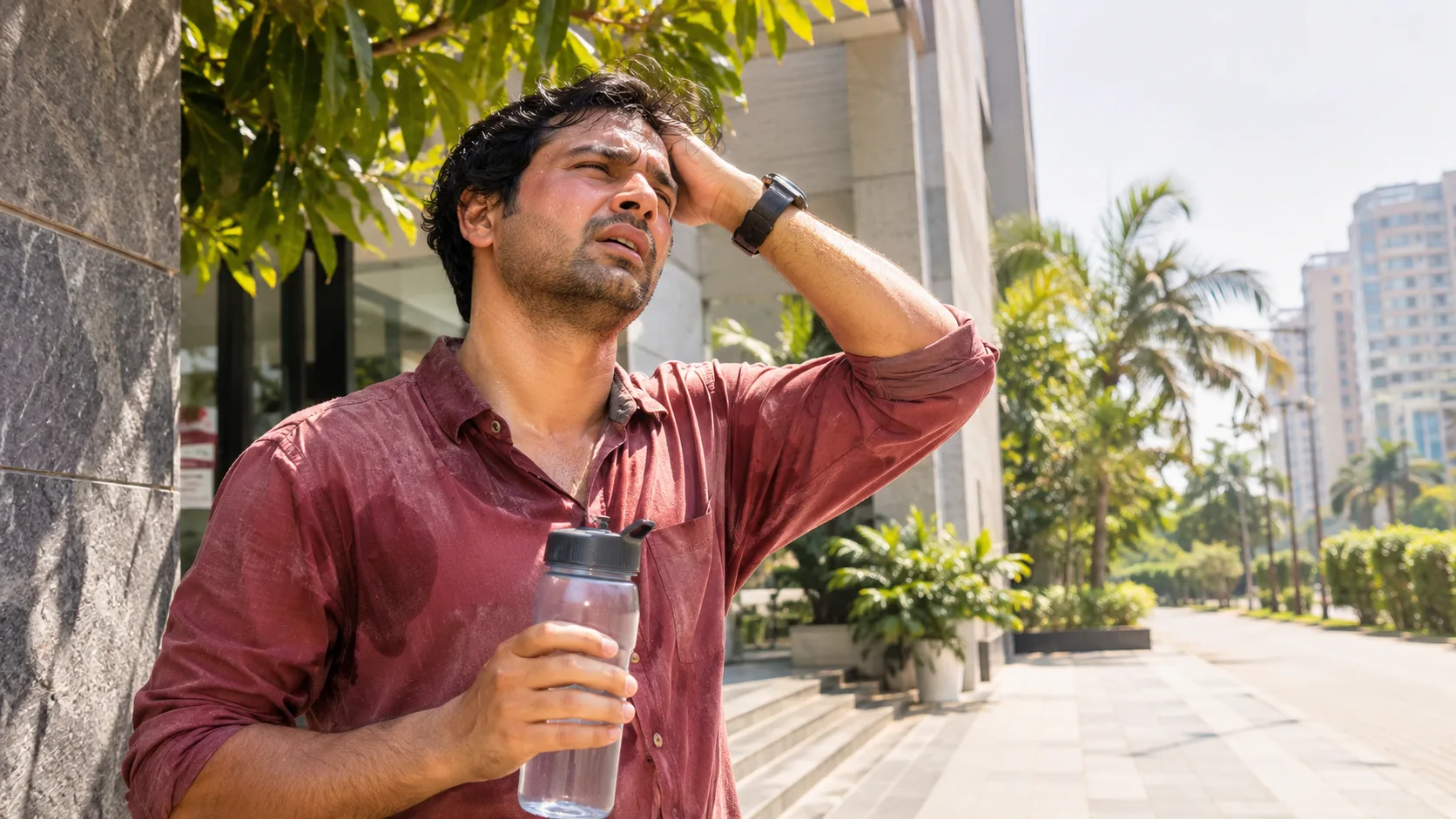
Indian summers bring a real risk of heat illness. The NHS lists the signs of heat exhaustion as tiredness, dizziness, headache, feeling or being sick, heavy sweating with pale, clammy skin, cramps in the arms, legs and stomach, a high temperature, being very thirsty and feeling irritable. Move the person somewhere cool, remove any unnecessary clothing, give them water or oral rehydration solution and cool the skin with water and a fan. They should start to feel better within 30 minutes. Heatstroke is a medical emergency. Call 112 at once if someone is still unwell after 30 minutes of cooling and fluids, or has a very high temperature, hot skin that is not sweating, a fast heartbeat, fast breathing or shortness of breath, confusion and lack of coordination, a fit or loss of consciousness. The NHS says children, older people and people with long-term conditions such as diabetes or heart problems are more at risk. It advises avoiding the sun between 11 am and 3 pm.
Can you drink too much water?
Yes, though it is uncommon in everyday life. Drinking far more than your kidneys can clear dilutes the sodium in your blood. Doctors call this hyponatraemia. In severe cases it can be life threatening. It shows up most clearly in endurance events. In a study of runners in the 2002 Boston Marathon, 13% of the 488 runners tested had low blood sodium at the finish line. Weight gain during the race, a sign that runners had drunk more than they lost, was linked with it, as was a finishing time over four hours. So more is not always better, especially during long events.
When your doctor sets the limit
Some people should not follow general water advice at all. If you have heart failure or advanced kidney disease, your doctor may give you a specific daily fluid limit. MedlinePlus notes that in heart failure your provider may advise you to change what fluids or how much fluid you take. ICMR also cautions that people prone to high potassium, as can happen in kidney and heart disease, should avoid tender coconut water. Follow your own doctor's number, not a general guide. The same applies if you take diuretics or other medication that affects fluid balance.
A simple routine for hot Indian days
Start the morning with a glass of water before your chai
Keep your bottle in sight and refill it twice by lunch
Add a bowl of curd or a glass of buttermilk at lunch
Drink before you step out in the sun, not only after
Have extra fluid around exercise and on days you sweat heavily
Check your urine colour once in the afternoon
Tomorrow, that steel bottle can be half empty by noon. You simply sip whenever your body asks. The headache that came at 4 pm may well skip a day. Your kidneys will do the fine tuning for you.
Sources
Dietary Guidelines for Indians (ICMR National Institute of Nutrition, 2024)
Report sets dietary intake levels for water, salt and potassium (US National Academies, 2004)
Hyponatremia among runners in the Boston Marathon (New England Journal of Medicine, 2005)
Medical Disclaimer: This article is for general information and is not a substitute for advice from your doctor. Speak to a qualified healthcare professional before starting any supplement, especially if you are pregnant, breastfeeding or taking medication.
Continue this topic
Connected guides, ingredient explainers, product context, and tools chosen from this article's topic cluster.
Quick questions
How much water should I drink a day in India?
The ICMR-NIN Dietary Guidelines for Indians say a normal healthy adult needs about eight glasses of water a day. That is roughly two litres including other drinks. You need more in very hot weather or during hard physical work.
Is it true that I must drink eight glasses of plain water?
Not as a strict rule. A review in the American Journal of Physiology found no studies backing a fixed eight glasses for healthy, inactive adults in mild weather. Tea, coffee, buttermilk and watery foods also count. Hot climates and exercise raise your needs.
How do I know if I am drinking enough water?
Check your urine. The NHS advises drinking enough that your pee stays a pale colour. Dark yellow, strong smelling urine or strong thirst by evening means you should drink more.
How much water should I drink during pregnancy or breastfeeding?
ICMR-NIN advises pregnant and nursing mothers to take plenty of fluids, over two litres a day. Keep tea and coffee to a minimum. Your doctor may give you a personal target.
Can drinking too much water be harmful?
Yes, though it is rare in daily life. Drinking far more than you lose can dilute the sodium in your blood. In a Boston Marathon study 13% of runners tested had low sodium at the finish. People with heart failure or kidney disease should follow the fluid limit their doctor sets.
What are the early signs of dehydration?
The NHS lists thirst, headache, light headedness, dizziness, dark yellow pee, peeing less often, tiredness, sunken eyes and a dry mouth, lips and tongue. Drink fluids if you notice these. Call 112 if someone with these signs has blue, grey, pale or blotchy skin, lips or tongue, cold skin, difficulty breathing or lots of quick breaths, is confused, or is sleepier than normal or difficult to wake.
8 linked sources checked against our citation and claim-safety process.
Reviewed 6 Nov 2026 for supplement-claim and medical-disclaimer boundaries.
Recommended from the Aora range
Aora Nutrivit Plus
19 Essential Nutrients with Zinc, Magnesium and Vitamins B Complex, C and D3
- Multivitamin
- Daily Foundation
- Made in India
From₹690
Try Aora - free
Put this article to work on you.
Health and safety notice
- This article is educational. It is not medical advice and is not a substitute for guidance from a qualified healthcare provider. Consult a physician before starting any supplement, especially during pregnancy or breastfeeding, with a medical condition, or while on medication.
- FSSAI compliance: Health supplements and nutraceuticals are not intended for medicinal use. Any supplement-related information is provided to describe nutritional or physiological support and should not be interpreted as a claim to diagnose, treat, cure, or prevent any disease. FSSAI regulates health supplements and nutraceuticals separately from medicinal products.
Read our full medical disclaimer and editorial policy.
Sources and editorial standards
- 1ICMR-NIN Dietary Guidelines for Indians
- 2most healthy people meet their daily needs by letting thirst be their guide
- 3review in the American Journal of Physiology
- 4NHS recommends
- 5MedlinePlus lists B complex vitamins
- 6NHS lists the signs of heat exhaustion
- 7study of runners in the 2002 Boston Marathon
- 8MedlinePlus notes
Supplement content is educational only and should not replace medical advice from a qualified clinician. Product mentions are reviewed for claim safety before publication.