

Why Is My Hair Falling Out So Much? 6 Nutrition Gaps to Check First
Why is your hair falling out so much? Explore 6 nutrition gaps, common dietary causes, foods for hair health and when to see a doctor.

In this article(17 sections)
- Is your hair falling out more than normal?
- Before checking vitamins, look at your meals
- Try a simple three-day food review
- 6 nutrition gaps to check for hair fall
- 1. Protein: Are you getting enough?
- 2. Iron: An important gap to consider
- 3. Zinc: Important, but more isn't always better
- 4. Vitamin D: Low levels don't always explain hair fall
- 5. Vitamin B12: Particularly relevant to restricted diets
- 6. Biotin: Popular for hair, but deficiency is uncommon
- Which nutrition gaps deserve attention first?
- Do you need six different blood tests?
- What can you change in your daily meals?
- Where does Aora Chamrose fit into hair nutrition?
- When should you see a dermatologist?
- What to Remember About Hair Fall and Nutrition
- Medical Disclaimer
You notice more hair than usual collecting near the shower drain. A few days later, your comb seems fuller, and you keep finding strands on your clothes. At first, you ignore it. Then you begin wondering, why is my hair falling out so much? Hair fall can have several causes, including stress, illness, hormonal changes and scalp conditions. But what you've been eating is also worth considering, particularly if your meals have become irregular, you've been dieting or you've recently lost weight. That doesn't mean every case of hair fall is caused by a vitamin deficiency. It means your nutritional habits are one useful piece of the larger picture. Here's how to identify six possible nutrition gaps, decide which ones deserve attention, and what to check before reaching for supplements.
Is your hair falling out more than normal?
Hair naturally grows, rests and sheds in cycles. According to the British Association of Dermatologists, losing approximately 30 to 150 scalp hairs each day can be normal. The number varies between individuals. Sometimes, more hair follicles than usual enter the resting phase, leading to increased shedding. This condition is called telogen effluvium. Possible triggers include significant illness, childbirth, major emotional stress, rapid weight loss and extreme dieting. One confusing detail is that increased shedding may begin around three months after the triggering event. So, if your hair is falling out now, it may help to think about what changed in your life or health a few months earlier. Also, shedding is not the same as hair breakage or gradual pattern thinning. These problems can look similar initially but may have different causes.
Also Read: Hair Loss in Women: Causes, Shedding and What to Check
Before checking vitamins, look at your meals
Consider what you ate yesterday. Was breakfast just tea and biscuits? Did lunch get delayed because of work? Was dinner your first substantial meal of the day? Missing an occasional meal is unlikely to explain hair fall by itself. However, prolonged inadequate food intake, crash dieting or eating a highly restricted diet may affect the normal hair-growth cycle. Hair follicles need energy, amino acids and several other nutrients to function normally. A 2017 review published in Dermatology Practical & Conceptual examined the relationship between nutrient deficiencies, supplement use and hair loss. The authors highlighted the importance of assessing dietary habits and medical history before deciding whether nutritional testing is needed. In other words, the first question isn't necessarily which hair vitamin to take. It's whether something important has been missing from your regular diet.
Try a simple three-day food review
Choose three typical days and write down what you eat. Pay attention to these questions:
Are you regularly skipping meals?
Do your main meals contain a protein source?
Are you eating pulses, vegetables, fruits and other nutrient-rich foods?
Have you recently removed entire food groups?
Have you been eating much less than usual?
Have you lost weight quickly?
Do you have any health condition that could affect nutrient absorption?
You don't need to calculate every calorie or nutrient. Just look for patterns in your eating habits that you might not have noticed before. While this won't tell you if you have a deficiency, it can help you understand what to discuss with your doctor or dietitian.
6 nutrition gaps to check for hair fall
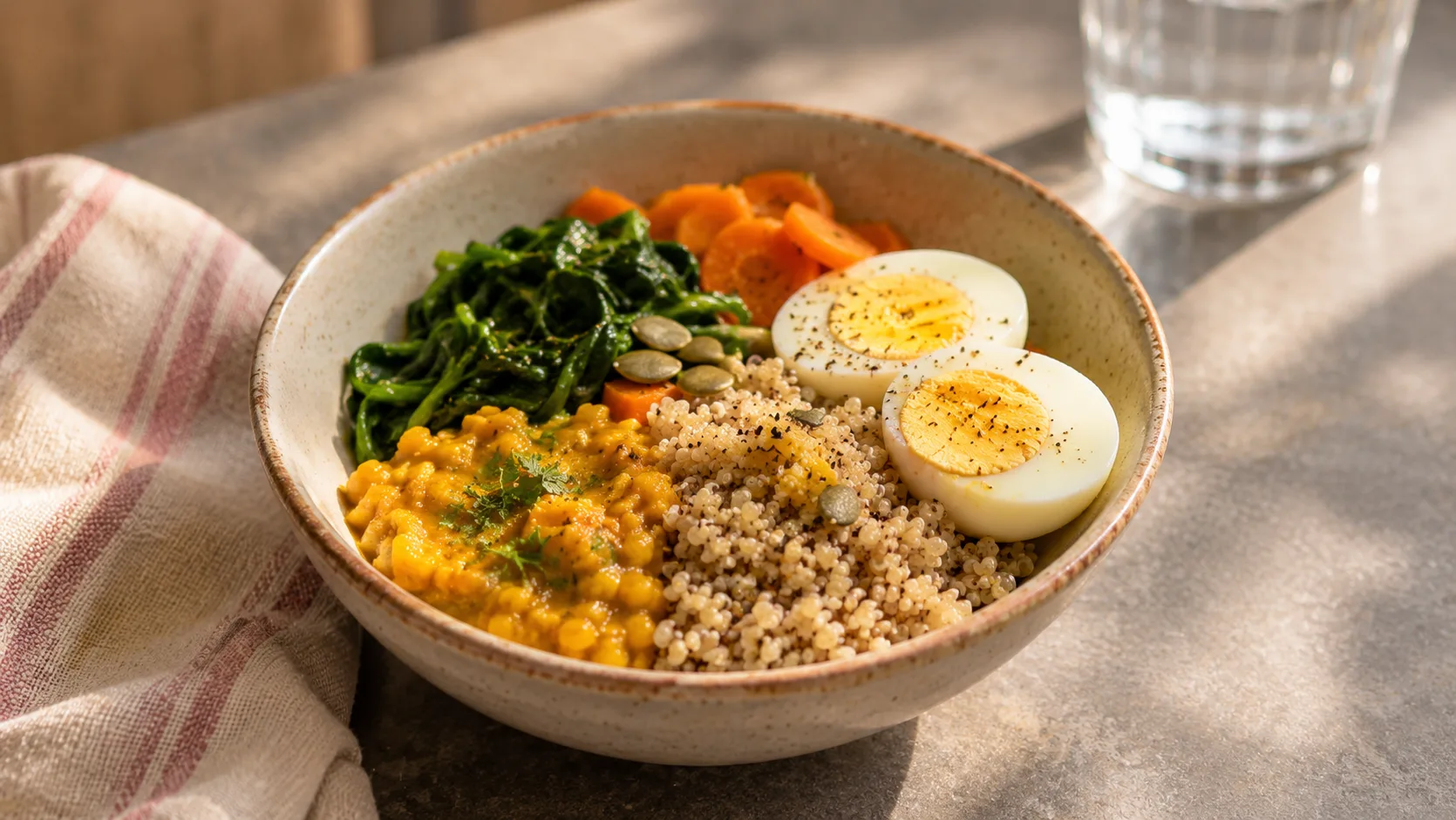
Your hair needs a steady supply of protein, vitamins and minerals to support normal growth. When your diet falls short over time, it can sometimes contribute to increased shedding. However, not every nutrient deficiency causes hair fall, and not everyone experiencing hair fall has a deficiency. The following six nutrients are worth understanding, particularly if you've recently changed your diet, lost weight or noticed other symptoms. The aim isn't to test or supplement all six, but to recognise where your eating habits or health history might point to a possible gap.
1. Protein: Are you getting enough?
Hair is primarily made of keratin, a protein, and your body needs amino acids from food to support normal hair growth. Severe protein insufficiency or prolonged inadequate food intake can contribute to increased shedding, particularly after rapid weight loss or restrictive dieting.
What to look for in your meals: Think about how often your meals include foods such as dal, rajma, chana, paneer, curd, soy, eggs, fish or meat. For example, rice with pickle may provide energy but relatively little protein. Adding dal, curd or another protein source can make the meal more nutritionally balanced. A vegetarian diet can provide sufficient protein, provided the overall quantity and variety are adequate. If you've been eating very small portions or regularly skipping meals, improving your overall food intake may be more useful than focusing on a single vitamin.
Worth checking when: You've recently lost weight rapidly, followed a crash diet or consistently eaten too little.
2. Iron: An important gap to consider
Iron helps your body produce haemoglobin, which carries oxygen in the blood. Iron deficiency may contribute to hair shedding, although the relationship between iron stores and different forms of hair loss is complex, especially when anaemia is absent. People with heavy menstrual bleeding, inadequate dietary iron or certain digestive conditions may be at greater risk of deficiency. Some may also experience tiredness, weakness or breathlessness, although these symptoms can have other causes.
What to look for in your meals: Common Indian sources of iron include:
Chana, rajma, lentils and other pulses.
Palak, amaranth and other leafy vegetables.
Sesame seeds and certain whole grains.
Meat and seafood, where included in the diet.
Iron from plant foods is generally absorbed less efficiently than iron from animal sources. Pairing plant-based iron with vitamin C-rich foods can help improve absorption. For example, you could add lemon to chana, include tomatoes with dal or have guava alongside a meal. Drinking strong tea with meals, however, can reduce the absorption of plant-based iron. Hair fall alone doesn't mean you need iron tablets. If your symptoms or medical history suggest deficiency, a healthcare professional may recommend a complete blood count and ferritin test.
Also Read: Ferritin for Hair Loss: What Level Really Matters
Worth checking when: You have heavy periods, low dietary iron intake, unexplained fatigue or a medical condition affecting absorption.
3. Zinc: Important, but more isn't always better
Zinc supports normal cell division, protein synthesis and tissue maintenance. A significant zinc deficiency can affect the skin and hair, but that doesn't mean everyone experiencing hair fall needs additional zinc.
What to look for in your meals: Zinc is found in foods such as meat, seafood, dairy products, beans, lentils, nuts and seeds. If your diet includes a reasonable variety of these foods, there may be no reason to assume you're deficient simply because you've noticed more hair shedding. People following highly restrictive diets or those with conditions affecting nutrient absorption may be at greater risk. However, taking more zinc than the body needs can also cause problems. The NIH Office of Dietary Supplements explains that excessive zinc intake over time can interfere with copper absorption and contribute to other health concerns.
Worth checking when: Your diet is highly restricted or you have a medical condition that may affect zinc absorption.
4. Vitamin D: Low levels don't always explain hair fall
Vitamin D supports normal bone, muscle and immune function. Researchers have also investigated its relationship with several forms of hair loss, but the findings need careful interpretation. A 2024 systematic review of 49 studies examined micronutrient status in people with androgenetic alopecia, commonly called pattern hair loss. It reported associations involving nutrients such as vitamin D, iron and zinc, although the findings were not consistent across all studies. Importantly, pattern hair loss is different from temporary increased shedding. Finding a link between low vitamin D and hair loss doesn't necessarily mean the deficiency caused it or that taking more vitamin D will improve hair growth. Maintaining a balanced diet, including vitamin D-rich or fortified foods, can help support healthy vitamin D levels. However, diet alone may not provide enough vitamin D for everyone. If you're experiencing hair loss and suspect a deficiency, it's best to consult a doctor to understand whether testing or supplementation is needed.
What to look for in your diet and lifestyle: Your vitamin D status depends on several factors, including sun exposure, diet and individual health circumstances. Food sources include oily fish, egg yolks and appropriately fortified foods. Not every packaged milk or cereal product contains added vitamin D, so checking the label can help. If you have recognised risk factors for deficiency, a doctor can assess whether testing is appropriate. Hair fall alone isn't enough to determine whether your vitamin D levels are low.
Worth checking when: You have risk factors for vitamin D deficiency or a medical reason to investigate your vitamin D status.
5. Vitamin B12: Particularly relevant to restricted diets
Vitamin B12 supports normal red blood cell production and nervous system function. Its natural dietary sources are mainly animal-derived foods, including milk, eggs, fish and meat. People following a vegan diet need reliable sources of B12 through fortified foods or appropriate supplementation. Some vegetarians who consume very little dairy or eggs may also have inadequate intake. B12 deficiency can cause fatigue, anaemia and neurological symptoms such as numbness or tingling. However, the direct relationship between B12 deficiency and common hair shedding is less firmly established. This makes B12 worth reviewing when dietary or medical risk factors are present, rather than assuming it explains every case of hair fall.
What to look for in your meals: Consider whether your regular diet includes dairy, eggs or other reliable B12 sources. If you're vegan, check whether the fortified foods or supplements you use provide adequate amounts. The NIH Office of Dietary Supplements provides guidance on dietary sources, deficiency symptoms and groups who may be at greater risk.
Worth checking when: You follow a vegan or highly restricted vegetarian diet, have a condition affecting absorption or experience symptoms that may suggest B12 deficiency.
6. Biotin: Popular for hair, but deficiency is uncommon
Biotin, also called vitamin B7, helps the body metabolise fats, carbohydrates and amino acids. Although it's widely promoted in hair supplements, there is limited evidence that additional biotin improves hair growth in people who are not deficient. A genuine biotin deficiency can cause hair thinning, but deficiency is uncommon among otherwise healthy people eating a varied diet. Biotin occurs naturally in foods such as cooked eggs, fish, meat, nuts, seeds and certain vegetables.
What to look for in your meals: If your diet regularly includes a variety of these foods, you may already be getting sufficient biotin. Rather than assuming your hair needs more, it's worth considering whether there is any actual reason to suspect a deficiency. According to the NIH Office of Dietary Supplements, evidence supporting biotin supplementation for hair growth in people without deficiency remains limited. High-dose biotin can also interfere with certain laboratory tests, including some thyroid-related tests, potentially producing misleading results. If you're taking biotin supplements, inform your doctor or laboratory team before undergoing blood tests.
Worth checking when: There is a specific clinical reason to suspect biotin deficiency, rather than hair shedding alone.
Which nutrition gaps deserve attention first?
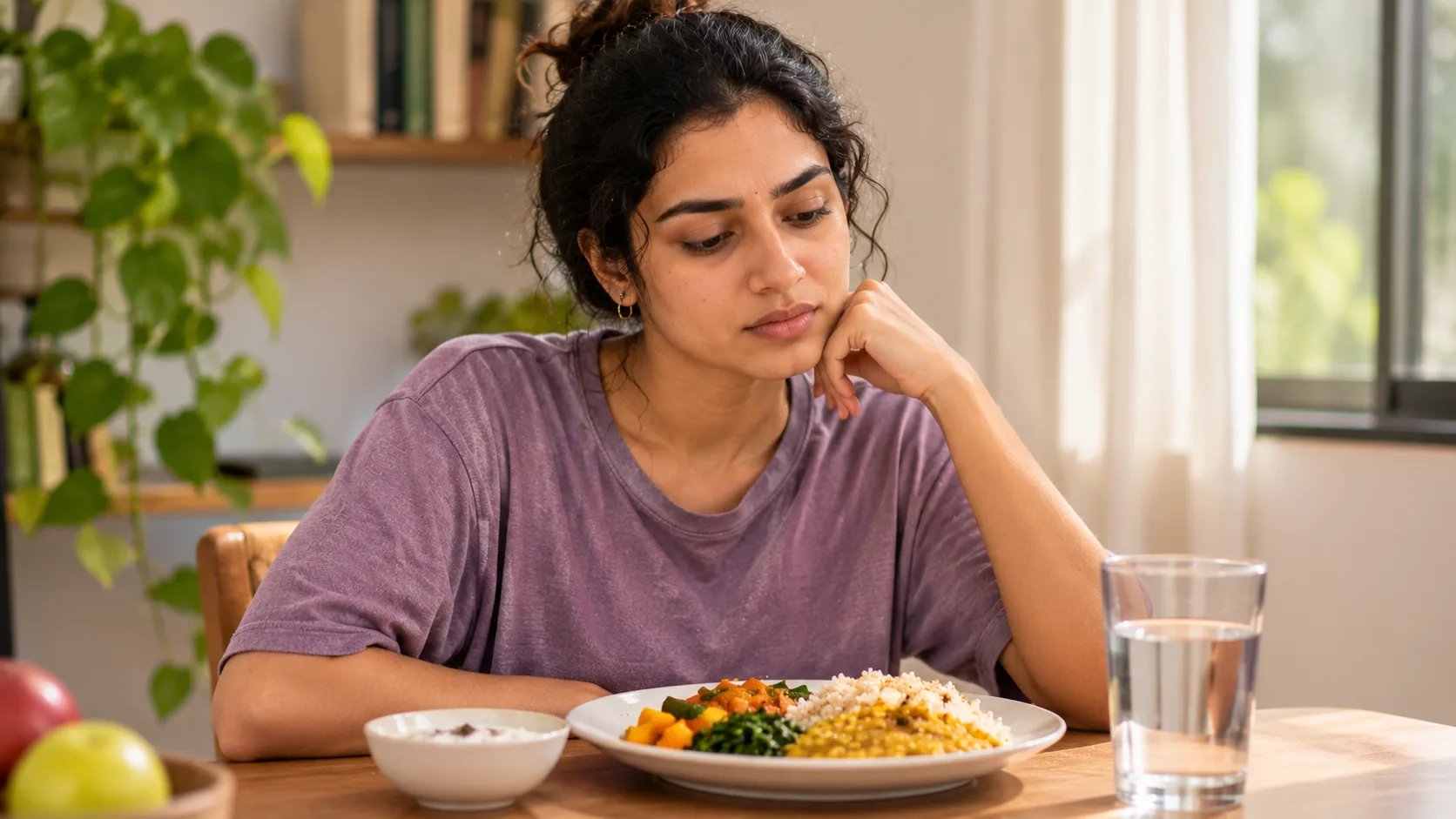
You don't need to treat every nutrient as equally likely to be missing. Your circumstances often provide more useful clues than a generic list of vitamins.
Recently lost weight rapidly? Your overall food intake, energy and protein intake may deserve attention.
Regularly skipping meals? Consider whether you're getting enough food and a good variety of nutrients.
Heavy periods and unusual tiredness? Iron deficiency may be worth investigating.
Following a vegan diet without reliable B12 sources? Your vitamin B12 intake may need attention.
Have a digestive condition affecting absorption? Your nutritional status may need medical assessment.
Taking several supplements together? Check for repeated ingredients and overlapping nutrient amounts.
Eating a varied diet without obvious nutritional gaps? Other possible causes of hair loss may deserve attention.
These are questions to explore, not diagnoses. Someone with heavy menstrual bleeding may have a reason to investigate iron status, while someone who has recently lost considerable weight may need a closer look at overall food intake. Another person with a balanced diet and progressive thinning may need an assessment for hereditary or hormonal hair loss. This is why the reason behind the shedding matters more than the number of nutrients listed on a supplement bottle.
Do you need six different blood tests?
Not necessarily. The Guo and Katta review on diet and hair loss explains that medical history, dietary history and physical examination should guide decisions about nutritional testing. When risk factors are present, tests may be appropriate. When they are absent, automatically screening for every possible nutritional deficiency is not necessarily useful. Depending on the symptoms and clinical findings, a dermatologist may consider tests such as a complete blood count, ferritin or thyroid function. Vitamin B12, vitamin D or other nutrient tests may be appropriate for some people. The aim is to identify a plausible cause, not simply find a nutrient level that can be blamed for the hair loss.
What can you change in your daily meals?
If you've noticed a few gaps in your eating habits, you don't need to change everything at once. Small changes to your regular meals can help you get a better mix of nutrients that support your overall health, including your hair.
Add protein to every main meal: Try including eggs, curd, paneer or a pulse-based dish for breakfast. For lunch and dinner, add dal, beans, soy, fish or meat alongside your usual rice, roti and vegetables.
Eat a mix of different foods: Don't rely on the same few foods every day. Include different dals, vegetables, fruits, nuts and seeds throughout the week to get a wider range of vitamins and minerals.
Avoid crash diets: Eating too little or losing weight very quickly can contribute to hair shedding. If you're trying to lose weight, focus on balanced meals rather than skipping food or following extreme diets.
Combine foods wisely: Add lemon to chana or tomatoes to dal to help your body absorb more iron from plant foods. If you regularly drink tea with meals, try having it between meals instead, especially if low iron is a concern.
These changes can support better nutrition, but they may not address every cause of hair loss.
Where does Aora Chamrose fit into hair nutrition?
Aora Chamrose is a daily hair-nutrition supplement containing iron, zinc, vitamin D3, vitamin B12, amino acids and botanical extracts such as rosemary, chamomile and jatamansi. It supports normal hair nutrition alongside a balanced diet and is not a treatment for hair loss. The recommended intake is one tablet daily after food. A 60-tablet pack costs ₹960 (₹16 per day). If you're pregnant, breastfeeding, taking medication or already using other supplements, consult a healthcare professional before use.
Explore Aora Chamrose and its ingredients
First-order offer: Get 10% off with code AORAWELCOME. Free delivery is available on prepaid orders. Offers are subject to current terms and cannot be combined with bundle discounts.
Also Read: Do Hair Growth Supplements Work? What the Evidence Shows
When should you see a dermatologist?
Hair shedding is not always a nutritional problem. A dermatologist can assess the scalp, review your medical history and determine whether further investigation is needed.
Seek medical advice if you notice:
Sudden or rapidly worsening hair loss.
Distinct bald patches.
Scalp pain, redness, scaling or scarring.
Persistent or progressively worsening thinning.
Hair loss accompanied by unexplained weight changes or significant fatigue.
New hair loss after starting medication.
Shedding that continues without an identifiable explanation.
Some forms of hair loss require specific medical treatment. Relying only on dietary changes or supplements may delay appropriate care.
What to Remember About Hair Fall and Nutrition
Hair fall doesn't always mean you're missing a vitamin. Stress, illness, hormonal changes and nutritional gaps can all play a role, so understanding the possible cause matters more than immediately reaching for supplements. Start by looking at your usual meals, any recent changes in your health and whether you're getting a good mix of nutrients. If the shedding continues or becomes noticeable, a dermatologist can help identify what needs attention. Healthy hair needs good nutrition, but finding the reason for hair fall is just as important.
Medical Disclaimer
This article is for general information only and should not replace professional medical advice, diagnosis or treatment. Hair loss can have several causes, and nutritional needs differ from person to person. Consult a qualified healthcare professional before starting supplements or if you experience persistent hair loss. Aora Chamrose is a food supplement, not a medicine.
Continue this topic
Connected guides, ingredient explainers, product context, and tools chosen from this article's topic cluster.
Taking biotin but still experiencing hair fall? Learn why biotin may not help, other possible causes of hair loss and when to see a dermatologist.
Hair is built from keratin, a protein. How much protein an Indian adult needs, simple dal, curd, egg and paneer swaps and where lysine fits in.
How an underactive or overactive thyroid changes the hair cycle, why hair often recovers with treatment, the tests to ask for and food that helps.
Quick questions
1. Why is my hair falling out so much all of a sudden?
Sudden hair shedding can happen after illness, stress, childbirth, rapid weight loss or major dietary changes. Sometimes, the shedding begins a few months after the triggering event. If it continues or gets worse, consult a dermatologist.
2. Which vitamin deficiency causes hair fall?
There isn't one vitamin responsible for every case of hair fall. Deficiencies in nutrients such as iron and zinc may contribute to hair loss, while biotin deficiency can also cause thinning but is uncommon. Your symptoms, diet and medical history can help determine what needs checking.
3. What should I eat to reduce hair fall?
Focus on balanced meals with protein, vitamins and minerals. Foods such as dal, chana, rajma, paneer, eggs, nuts, seeds, vegetables and fruits can help meet your nutritional needs. If a deficiency is contributing to hair fall, dietary changes may help address it.
4. Can skipping meals cause hair fall?
Skipping an occasional meal is unlikely to cause hair fall. However, regularly eating too little, following crash diets or losing weight rapidly can contribute to increased shedding in some people.
5. Should I take iron or biotin supplements for hair fall?
Not without understanding whether you need them. Extra biotin has limited evidence for improving hair growth in people without deficiency, while taking iron unnecessarily can cause health problems. Speak to a healthcare professional before starting either supplement.
6. How long does hair take to recover after a nutritional deficiency?
Hair grows slowly, so visible changes may take several months after the underlying nutritional problem is addressed. The timeline depends on the cause of hair loss, the severity of the deficiency and individual health factors.
7. Is there a first-order discount on Aora Chamrose?
Aora offers 10% off first orders with code AORAWELCOME, along with free delivery on prepaid orders. The discount cannot be combined with bundle offers. Check the latest terms at checkout.
7 linked sources checked against our citation and claim-safety process.
Reviewed 16 Nov 2026 for supplement-claim and medical-disclaimer boundaries.
Recommended from the Aora range
Aora Chamrose
Chamomile, Rosemary & Jatamansi Extract
- Hair Care
- Hair Support
- Made in India
From₹960
Try Aora - free
Put this article to work on you.
Health and safety notice
- This article is educational. It is not medical advice and is not a substitute for guidance from a qualified healthcare provider. Consult a physician before starting any supplement, especially during pregnancy or breastfeeding, with a medical condition, or while on medication.
- FSSAI compliance: Health supplements and nutraceuticals are not intended for medicinal use. Any supplement-related information is provided to describe nutritional or physiological support and should not be interpreted as a claim to diagnose, treat, cure, or prevent any disease. FSSAI regulates health supplements and nutraceuticals separately from medicinal products.
Read our full medical disclaimer and editorial policy.
Sources and editorial standards
- 1British Association of Dermatologists
- 22017 review published in Dermatology Practical & Conceptual
- 3NIH Office of Dietary Supplements
- 42024 systematic review of 49 studies
- 5NIH Office of Dietary Supplements
- 6NIH Office of Dietary Supplements
- 7Guo and Katta review on diet and hair loss
Supplement content is educational only and should not replace medical advice from a qualified clinician. Product mentions are reviewed for claim safety before publication.