
Best Foods for Brain Health: What to Eat and What Science Says
There is no single food that guarantees better memory. Learn which foods fit into a brain healthy eating pattern, what the evidence actually shows and when memory changes need medical attention.

In this article(8 sections)
A bowl of berries cannot make up for a week of poor meals, and eating fish once will not suddenly improve memory. When people search for foods for brain health, it is easy to find lists that make one ingredient sound unusually powerful. The evidence is less dramatic and more useful. Brain health is supported by an overall eating pattern that includes vegetables, fruit, whole grains, pulses, nuts, seeds, unsaturated fats and appropriate protein sources. These foods provide fats, protein, fibre, vitamins, minerals and other compounds needed for normal brain and nervous system function. Diet is only one part of the picture, though. Sleep, physical activity, blood pressure, diabetes, medicines and other health conditions also affect cognition, and no food or supplement can guarantee that memory loss or dementia will be prevented.
Why do dietary patterns matter for brain health?
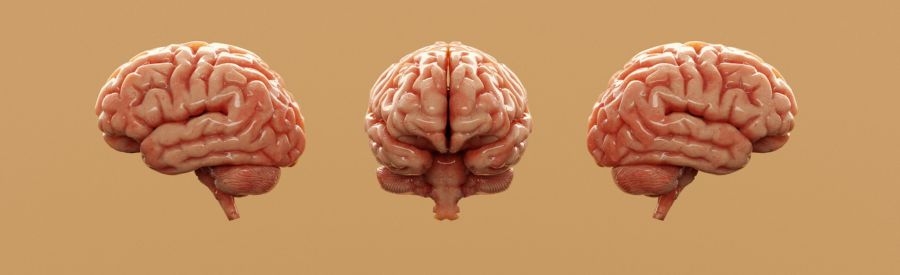
Researchers often study whole eating patterns because we eat foods in combination, not as isolated nutrients. Mediterranean-style diets, the Dietary Approaches to Stop Hypertension (DASH) diet and the Mediterranean DASH Intervention for Neurodegenerative Delay (MIND) diet appear frequently in research on cognitive health. They are not identical, but they generally favour vegetables, fruit, whole grains, legumes, nuts, fish and unsaturated fats while limiting highly processed foods and large amounts of added sugar. The evidence is encouraging but not absolute. Recent systematic reviews have found associations between greater adherence to Mediterranean or MIND-style diets and better cognitive outcomes, but much of that evidence is observational. Association does not prove that the diet itself caused the difference.
That distinction became particularly clear in a three year randomised trial involving 604 older adults. Cognition improved in both the MIND diet group and the control group, with no statistically significant difference between them. The National Institute on Aging (NIA) similarly describes evidence around Mediterranean and MIND diets as promising but mixed. The useful takeaway is not that these diets prevent dementia. It is that the same broad eating pattern that supports cardiovascular and metabolic health may also be a sensible way to support long term brain health.
What are the best foods for brain health?
There is no single best food. A more practical approach is to build variety from several food groups that repeatedly appear in healthy dietary patterns.
Leafy and colourful vegetables: Spinach, amaranth leaves, drumstick leaves, carrots, tomatoes, beans, gourds, cabbage and brinjal can all contribute fibre, vitamins, minerals and plant compounds. The goal is variety across the week, not finding one vegetable that boosts memory.
Fatty fish and other omega 3 sources: Sardines, mackerel and other fatty fish provide eicosapentaenoic acid (EPA) and docosahexaenoic acid (DHA). DHA is an important structural component of cell membranes in the brain. Flaxseed, chia seeds and walnuts provide alpha linolenic acid (ALA), but the body converts only a limited amount of ALA into EPA and DHA. The National Institutes of Health (NIH) Office of Dietary Supplements notes that fish is a direct dietary source of EPA and DHA, while conversion from ALA is limited. Fish can be part of a balanced diet, but omega 3 foods should not be treated as a memory treatment.
Eggs and other choline sources: Choline is needed to make phospholipids used in cell membranes and acetylcholine, a neurotransmitter involved in memory, mood and muscle control. Eggs are a useful source, while choline is also found in fish, meat, poultry, dairy, soybeans and some beans and vegetables. The NIH describes choline as an essential nutrient with important roles in cell membranes and neurotransmitter production. That does not mean taking more choline than you need will automatically improve memory.
Berries and other fruit: Berries provide fibre and plant compounds such as anthocyanins, but blueberries are not essential. Seasonal fruit can make the diet more varied and affordable. Jamun, grapes, guava, oranges and pomegranate can all contribute useful nutrients, even though they do not contain identical compounds or have the same amount of cognitive research behind them.
Pulses, nuts, seeds and whole grains: Dal, chana and rajma provide protein, fibre and several micronutrients. Groundnuts, walnuts, flaxseed and sesame provide unsaturated fats, minerals and other nutrients. Whole grains and millets can replace some refined grains where they suit your diet. Their value comes from contributing to the overall eating pattern rather than producing an instant improvement in concentration.
How can you make an ordinary meal more brain healthy?
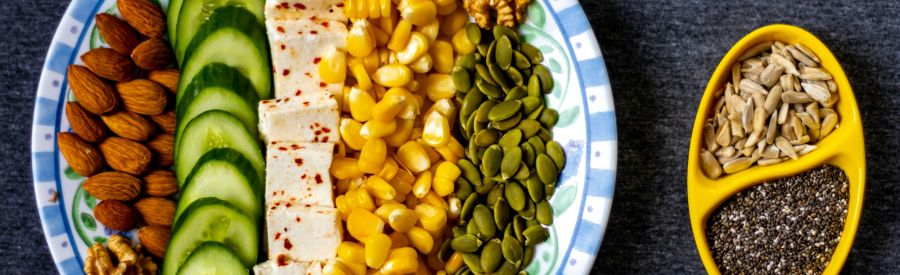
Eating for brain health does not require a separate menu or expensive ingredients. A meal based mostly on white rice and a small serving of gravy becomes more balanced when dal and a cooked vegetable are added. Egg, curd, paneer or fish can add protein where appropriate. A packaged snack can sometimes be replaced with fruit and a small portion of nuts or seeds. Think about the whole week rather than trying to build a perfect plate every time. Rotate vegetables, pulses and protein sources, include fruit regularly and choose less refined foods where practical. This is also why the most useful foods for brain health often look very similar to foods recommended for cardiovascular and metabolic health.
Can a multivitamin improve memory or brain health?
A multivitamin cannot reproduce what a varied diet provides. Fish, eggs, nuts, seeds, beans, whole grains, fruit and vegetables also supply protein, fibre, fats and plant compounds that are not replaced by a tablet. Aora Nutrivit Plus provides 19 essential nutrients and can complement everyday micronutrient intake when a person's diet is inconsistent. It should not be presented as a product that improves memory, increases concentration, prevents cognitive decline or treats a neurological condition. If persistent memory problems, poor concentration or unusual tiredness are the reason you are considering a multivitamin, it is more useful to identify what is causing those symptoms than to assume a nutrient gap is responsible.
What food cannot promise
No diet can guarantee better memory, prevent every form of cognitive decline or reverse dementia. The NIA notes that cognitive health is influenced by many factors, including cardiovascular health, physical activity, medicines and medical conditions. Food also cannot replace appropriate treatment for high blood pressure, diabetes, a diagnosed vitamin deficiency or neurological disease. Poor sleep, stress, depression, medicines, thyroid disorders, vitamin B12 deficiency and other medical problems can contribute to difficulties with memory or concentration. A symptom can have many possible causes, so persistent changes deserve proper assessment rather than nutritional guesswork.
When should memory or concentration changes be checked?
Speak with a healthcare professional if memory, concentration or thinking problems persist, become progressively worse or begin to interfere with work, finances, medicines, driving or other everyday activities. It is particularly important to seek assessment when someone close to you has also noticed a meaningful change. Seek urgent medical care for sudden confusion, facial drooping, weakness or numbness on one side of the body, difficulty speaking, a sudden severe headache or another abrupt neurological change. These symptoms are not something to manage with food or supplements at home.
Related Articles
7 Best Foods to Eat After 50 for Strength and Healthy Ageing
Is Our Food Becoming Less Nutritious? What Science Really Says
Sources
National Institute on Aging: Diet and Prevention of Alzheimer's Disease
Trial of the MIND Diet for Prevention of Cognitive Decline in Older Persons
2025 Systematic Review of the MIND Diet and Cognitive Function
Medical Disclaimer: This article is for general educational purposes only and should not replace professional medical advice, diagnosis or treatment. Diet and supplements cannot diagnose or treat dementia or another neurological condition. Speak with a qualified healthcare professional about persistent or worsening memory or concentration changes. Seek urgent medical care for sudden confusion, facial drooping, one-sided weakness or numbness, difficulty speaking or another sudden neurological change.
Continue this topic
Connected guides, ingredient explainers, product context, and tools chosen from this article's topic cluster.
Creatine is everywhere now. Learn what research shows on safety, kidneys, hair, women, older adults and the brain. Plus how much to take.
Eating less can happen with age, but a lasting drop in appetite deserves attention. Here’s what can cause it, what may help and when to get it checked.
Try 9 simple balance exercises for older adults to improve stability, confidence and fall prevention, with safety tips and easy progressions.
Quick questions
What is the best food for brain health?
There is no single best food. The strongest overall approach is a varied dietary pattern rich in vegetables, fruit, whole grains, legumes, nuts, seeds, unsaturated fats and suitable protein sources.
Which foods are good for memory and concentration?
Fish, eggs, vegetables, fruit, pulses, nuts, seeds and whole grains all provide nutrients used in normal brain function. However, eating more of one particular food has not been shown to reliably improve memory or concentration in otherwise well nourished people.
Are eggs good for brain health?
Eggs provide choline, which the body uses in cell membranes and to make acetylcholine. They can be part of a balanced diet, but eating eggs does not by itself prevent memory loss or improve cognition.
Are walnuts good for the brain?
Walnuts provide unsaturated fats, fibre, minerals and ALA, a plant source of omega 3 fat. They are a useful food, but there is not enough evidence to treat walnuts as a therapy for memory problems or cognitive decline.
Can diet prevent dementia?
No diet can guarantee dementia prevention. Mediterranean and MIND style eating patterns have been associated with better cognitive outcomes in many observational studies, but clinical trial evidence is mixed.
5 linked sources checked against our citation and claim-safety process.
Reviewed 3 Sept 2026 for supplement-claim and medical-disclaimer boundaries.
Recommended from the Aora range
Aora Nutrivit Plus
19 Essential Nutrients with Zinc, Magnesium and Vitamins B Complex, C and D3
- Multivitamin
- Daily Foundation
- Made in India
From₹690.00
Try Aora - free
Put this article to work on you.
Health and safety notice
- This article is educational. It is not medical advice and is not a substitute for guidance from a qualified healthcare provider. Consult a physician before starting any supplement, especially during pregnancy or breastfeeding, with a medical condition, or while on medication.
- FSSAI compliance: Health supplements and nutraceuticals are not intended for medicinal use. Any supplement-related information is provided to describe nutritional or physiological support and should not be interpreted as a claim to diagnose, treat, cure, or prevent any disease. FSSAI regulates health supplements and nutraceuticals separately from medicinal products.
Read our full medical disclaimer and editorial policy.
Sources and editorial standards
- 1National Institute on Aging: Diet and Prevention of Alzheimer's Disease
- 2Trial of the MIND Diet for Prevention of Cognitive Decline in Older Persons
- 32025 Systematic Review of the MIND Diet and Cognitive Function
- 4NIH Office of Dietary Supplements: Omega 3 Fatty Acids
- 5NIH Office of Dietary Supplements: Choline
Supplement content is educational only and should not replace medical advice from a qualified clinician. Product mentions are reviewed for claim safety before publication.