
Loss of Appetite in Older Adults: Why It Happens and When to Worry
Eating less can happen with age, but a lasting drop in appetite deserves attention. Here’s what can cause it, what may help and when to get it checked.

In this article(15 sections)
- Is Loss of Appetite Normal as You Get Older?
- Why Appetite Can Change With Age
- When Poor Appetite Starts Affecting Nutrition
- Signs a Low Appetite Deserves More Attention
- How to Support Appetite in Older Adults
- Start With Smaller Meals
- What to Eat When You Feel Hungry but Have No Appetite
- Make Food More Appealing
- Make Mealtimes Easier
- Keep Moving
- Should You Use Nutrition Drinks or Supplements?
- Loss of Appetite and Unintentional Weight Loss
- When to Speak With a Healthcare Professional
- Do Not Dismiss a Changing Appetite Just Because of Age
- Sources
Maybe food just does not seem as appealing as it used to. You make your usual breakfast but only manage to eat a few bites. Your favourite meal suddenly feels like too much, or you realise you have been eating less than you used to without really thinking about it. These changes can be easy to brush off, especially as appetite can change with age. Taste and smell may become less sharp, medicines can change the way food tastes or make you feel less hungry, and changes in health, routine or mood can affect how much you want to eat. But a noticeable drop in appetite is not something you should simply attribute to getting older. Loss of appetite in older adults can sometimes be linked to an underlying health issue, particularly when it lasts for a period of time, keeps getting worse or comes with unintentional weight loss. So the important thing is not just noticing that you are eating less. It is paying attention to when the change started, what else has changed and whether you are still getting enough food and nutrition each day.
Is Loss of Appetite Normal as You Get Older?
It is quite common for your appetite to change as you get older. You may not feel as hungry as you once did, or a meal that used to feel like the right amount may suddenly seem like too much. Researchers sometimes call this 'anorexia of ageing'. Despite the name, it is not the same as anorexia nervosa, which is an eating disorder. A 2025 systematic review and meta-analysis of 62 studies involving more than 80,000 older adults found that loss of appetite was common among people living in the community as well as those in nursing homes and hospitals. Eating alone, problems with the mouth and depression were among the factors linked with a higher likelihood of appetite loss. Still, you shouldn't simply accept a loss of appetite as part of getting older. There is a difference between being satisfied with a smaller meal and regularly eating so little that you are unable to maintain your weight, strength, and overall nutrition requirements.
Why Appetite Can Change With Age
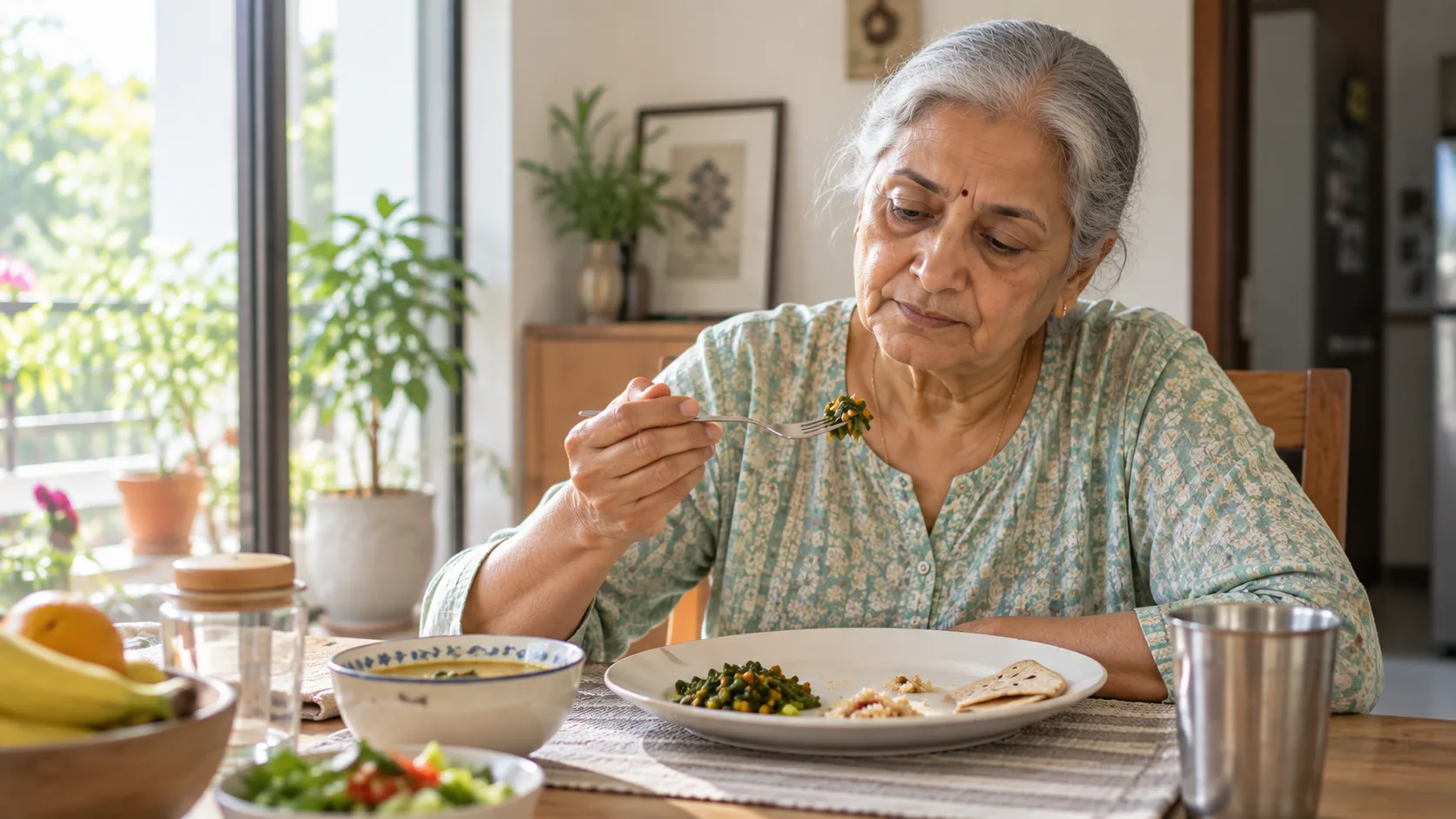
There is often more than one reason. A few small things can build up over time and gradually make eating less enjoyable or more difficult.
Food May Not Taste or Smell the Same: Food is about more than hunger. Taste and smell are a big part of why we enjoy eating in the first place. As these senses become less sharp, foods you have enjoyed for years may start to seem bland or less interesting. Medicines and some health problems can also change your sense of taste, cause a dry mouth or reduce your appetite. MedlinePlus lists changes in taste and smell, medicines, problems with chewing and difficulty swallowing among the things that can make eating well harder in later life. You may hear someone who once loved their meals say things like, ‘Nothing really tastes good anymore.’ That change can be easy to dismiss, but it can gradually lead to eating less.
You May Feel Full Much Sooner: Some older adults find that they cannot eat the portions they used to eat or feel full after just a small amount. Having smaller meals is not necessarily a problem. The concern is when this becomes the pattern and those smaller meals no longer provide enough energy, protein and other nutrients. And simply telling someone to eat more is not always the answer. If large portions are too much to manage, smaller meals can be made more nourishing.
Medicines Can Affect Appetite: A change in appetite can sometimes start after taking a new medicine or changing the dose. Some medicines can change the way food tastes, cause nausea or dry mouth or reduce appetite. If the change started around the same time as a medicine change, tell your doctor or pharmacist. Do not stop a prescribed medicine on your own.
Chewing and Swallowing Problems: Sometimes a person may still feel hungry, but eating might have become difficult for them. Tooth pain, missing teeth, poorly fitting dentures or dry mouth can make chewing difficult. Swallowing problems can also make some foods hard to eat. This may cause someone to avoid meals. This is an important difference here. What looks like no appetite may actually be a person avoiding food because eating has become uncomfortable.
Digestive Symptoms Can Put You Off Food: Constipation, nausea, bloating or feeling unusually full can make you less interested in your next meal. If loss of appetite starts along with a new digestive symptom, look at both problems together rather than treating appetite as a separate issue. For example, someone who is eating less because they always feel full may need a different assessment from someone whose appetite changed soon after starting a medicine.
Mood and Social Changes Matter Too: Eating is not only about feeling hungry. Bereavement, depression, loneliness or suddenly living alone can affect how often someone prepares food and how much they enjoy eating. Recent research also found that eating alone and depression were associated with higher rates of appetite loss among older adults. Sometimes the reason can be quite simple. Someone who used to enjoy cooking for their family may lose the motivation to prepare a full meal just for themselves.
When Poor Appetite Starts Affecting Nutrition
Eating one light meal is not the main issue. It becomes concerning when you have low appetite for days or weeks and you just keep on eating less. Over time, this makes it harder for you to get enough energy, protein, fluids and vitamins and minerals. Poor appetite is also more common among frail and pre-frail older adults. A 2023 systematic review found that appetite loss was more common among frail and pre-frail participants than among robust older adults. The researchers also noted that it is still not clear which one causes the other. This is why it helps to look beyond weight alone. Other signs can include clothes becoming looser, regularly leaving meals unfinished, having less energy for normal activities or noticing a reduction in strength.
Signs a Low Appetite Deserves More Attention
Pay closer attention when reduced appetite comes with:
Unintentional or rapid weight loss
Eating smaller amounts over time
Increasing weakness
Difficulty chewing or swallowing
Persistent nausea or vomiting
Ongoing abdominal discomfort
A major change in bowel habits
Ongoing low mood
New confusion or major changes in behaviour
Symptoms that began after a medicine change
Do not automatically assume that ageing is the reason behind these symptoms. It is better to discuss the situation with a healthcare professional rather than self-diagnosing.
How to Support Appetite in Older Adults

What works depends on why someone has lost their appetite. If chewing hurts, changing the size of meals will not fix the problem. If a medicine is making someone feel sick, adding more snacks may not make a difference. But if appetite is only a little lower and there are no warning signs, some simple changes can make eating easier.
Start With Smaller Meals
A big plate of food can look like too much when someone has little appetite. Instead of three large meals, try smaller meals and snacks throughout the day. They may be easier to finish. The idea is simple: give them enough food, but in portions they can manage.
What to Eat When You Feel Hungry but Have No Appetite
When you have little appetite, it can be easier to eat foods that give you plenty of nutrition in a small portion. Depending on dietary needs and preferences, some options include:
Curd or yoghurt
Eggs
Paneer or tofu
Dal and other pulses
Fish or chicken
Nuts and nut butters
Seeds
Milk or suitable fortified alternatives
Fruit with yoghurt or nuts
For example, if someone can only manage a small bowl of food, yoghurt with fruit and nuts may be easier to eat than a large meal.
To understand more about how to build nutritious meals later in life, read 7 Best Foods to Eat After 50 for Strength and Healthy Ageing.
Make Food More Appealing
If food has started to taste bland, try changing the flavour or texture instead of making the portion bigger. Herbs, spices, citrus, different textures and colourful ingredients can make the same food more enjoyable. Eating your favourite foods can also make a difference. Eating well does not mean giving up everything someone likes and switching to some healthy ageing diet you do not enjoy.
Make Mealtimes Easier
If someone started eating less after moving away from family or starting to eat alone, mealtimes may have become less enjoyable. Eating with family or friends, cooking together or keeping easy-to-serve meals ready can make eating easier. MedlinePlus also recommends shared meals when eating alone makes it harder to maintain good nutrition.
Keep Moving
Regular physical activity is an important part of healthy ageing and may also support appetite in some people. The type and amount of activity should depend on the person’s health and mobility. If someone has become very inactive, gentle movement may be a better place to start than a demanding exercise routine.
Should You Use Nutrition Drinks or Supplements?
Not always. If someone is regularly eating too little, a multivitamin cannot replace the energy, protein and other nutrients they are missing from food. Nutrition drinks or fortified foods can be useful in some cases, especially when someone is malnourished or at risk of malnutrition. But they should not be used instead of finding out why appetite has fallen. Many researches on appetite loss in older adults look at fortified foods, oral nutritional supplements, exercise, flavour enhancement and mealtime support. So far, there is no single approach that works for everyone. If poor appetite is causing weight loss or making it hard to eat enough, visiting a doctor or registered dietitian can help you decide whether you need extra nutritional support.
A systematic review of assessment and treatment approaches for anorexia of ageing found considerable variation in the interventions studied and noted that evidence was not strong enough to identify one consistently effective approach.
Loss of Appetite and Unintentional Weight Loss
Loss of appetite and weight loss often happen together, but they are not the same thing. Someone may have a poor appetite for a few days without losing much weight. Someone else may lose weight even though they feel they are eating normally. The important thing here is whether the weight loss is unplanned. If your clothes are becoming looser or you are losing weight steadily without trying, do not just assume that eating big meals will fix it. The first thing you should do is to try to understand the reason behind it. Poor appetite along with weight loss is often linked with poor physical function in older adults. The relationship is complex, though, and it is not proof that appetite loss itself always causes the decline.
A review of appetite loss and functional decline during ageing found that older adults with poor appetite tended to have poorer physical performance and more functional limitations, while also emphasising that the relationship remains complex.
When to Speak With a Healthcare Professional
Speak to a healthcare professional if appetite loss:
Lasts for several weeks or keeps getting worse
Comes with unintentional weight loss
Makes it hard to eat enough
Comes with ongoing nausea, vomiting or abdominal pain
Happens along with difficulty chewing or swallowing
Starts after taking a new medicine or changing a dose
Comes with ongoing low mood or major changes in behaviour
Comes with noticeable weakness or difficulty doing normal activities
A healthcare professional may ask you about weight changes, medicines, dental health, problems in swallowing, mood, digestive symptoms and usual eating habits. This can help them work out what may be causing the change and whether more tests are needed.
Do Not Dismiss a Changing Appetite Just Because of Age
Eating a little less than you did years ago does not always mean something is wrong. But there is a difference between wanting smaller meals and regularly losing interest in food to the point that nutrition, weight or strength starts to suffer. Think about what has changed. Has food stopped tasting good? Do you feel full much earlier? Is chewing uncomfortable? Did it start after a new medicine? Are digestive symptoms making it harder to eat? Has eating become less enjoyable since you started eating alone? These details can tell you much more than simply saying, ‘I suppose I am getting older.
Sources
Rudzińska A, et al. Poor Appetite in Frail Older Persons: A Systematic Review
Cox NJ, et al. Assessment and Treatment of the Anorexia of Aging: A Systematic Review
Medical Disclaimer: This article is for general educational purposes only and is not a substitute for medical advice, diagnosis or treatment. Persistent loss of appetite and unintentional weight loss can have many causes. Speak with a qualified healthcare professional if appetite loss continues, weight is falling without trying, eating or swallowing becomes difficult, or other concerning symptoms are present.
Continue this topic
Connected guides, ingredient explainers, product context, and tools chosen from this article's topic cluster.
Learn how sun protection, protein, vitamin C, sleep, diet and collagen supplements may affect skin ageing, and what matters most.
There is no single food that guarantees better memory. Learn which foods fit into a brain healthy eating pattern, what the evidence actually shows and when memory changes need medical attention.
Sugar cravings usually reflect a mix of hunger, habits, stress, poor sleep and meal composition rather than one deficiency. Skipping meals or eating too little protein or fibre can make sweets harder to resist.
Quick questions
Is Loss of Appetite Normal in Older Adults?
Some older adults do eat less as they age, but ongoing or worsening loss of appetite in older adults should not simply be put down to age. It is more concerning when it comes with unintentional weight loss, weakness, difficulty eating or other new symptoms.
What Causes Loss of Appetite in Older Adults?
There can be many reasons. Food may not taste or smell the same, medicines can affect appetite, and dental problems can make eating difficult. Swallowing problems, constipation, nausea, low mood, loneliness and some health conditions can also reduce appetite. If the change is sudden or continues for a while, it is worth finding out what is behind it.
What Can You Give an Older Person With No Appetite?
Start with foods they can eat comfortably and that give plenty of nutrition in a small portion. Yoghurt, eggs, paneer, tofu, dal, fish, chicken, nuts, seeds and fruit can all be options, depending on their diet and any health needs. Smaller meals may also be easier than a large plate of food when appetite is low.
How Can You Increase Appetite in Older Adults?
First, look at what may be making eating difficult. Smaller meals, nutritious snacks, more flavourful foods and eating with other people may make meals easier and more enjoyable. Gentle physical activity may also support appetite for some people. If poor appetite continues or causes weight loss, it is important to look for the underlying cause rather than relying only on these changes.
When Should You See a Doctor About Loss of Appetite?
See a doctor if loss of appetite continues, keeps getting worse or starts affecting how much someone eats. It is especially important to get medical advice when it comes with unintentional weight loss, weakness, difficulty swallowing, persistent vomiting, abdominal pain or major changes in mood or behaviour. A new appetite change after starting a medicine should also be discussed with a doctor or pharmacist.
5 linked sources checked against our citation and claim-safety process.
Reviewed 19 Sept 2026 for supplement-claim and medical-disclaimer boundaries.
Recommended from the Aora range
Nutrivit Plus | Supports Immune Function & Energy Metabolism
19 Essential Nutrients with Zinc, Magnesium and Vitamins B Complex, C and D3
- Multivitamin
- Daily Foundation
- Made in India
From₹690.00
Try Aora - free
Put this article to work on you.
Health and safety notice
- This article is educational. It is not medical advice and is not a substitute for guidance from a qualified healthcare provider. Consult a physician before starting any supplement, especially during pregnancy or breastfeeding, with a medical condition, or while on medication.
- FSSAI compliance: Health supplements and nutraceuticals are not intended for medicinal use. Any supplement-related information is provided to describe nutritional or physiological support and should not be interpreted as a claim to diagnose, treat, cure, or prevent any disease. FSSAI regulates health supplements and nutraceuticals separately from medicinal products.
Read our full medical disclaimer and editorial policy.
Sources and editorial standards
- 12025 systematic review and meta-analysis of 62 studies involving more than 80,000 older adults
- 2MedlinePlus
- 32023 systematic review
- 4systematic review of assessment and treatment approaches for anorexia of ageing
- 5appetite loss and functional decline during ageing
Supplement content is educational only and should not replace medical advice from a qualified clinician. Product mentions are reviewed for claim safety before publication.