

Probiotics vs Prebiotics: What’s the Difference and Do You Need Both?
Probiotics are beneficial live microorganisms, while prebiotics are substances used by selected gut microorganisms. Learn how they differ, how they work together and whether you actually need both.

In this article(10 sections)
- What are probiotics?
- What are prebiotics and what do they do?
- Probiotics vs prebiotics: what is the main difference?
- Do you need both prebiotics and probiotics?
- Can you get probiotics and prebiotics from food?
- When should you consider prebiotic and probiotic supplements?
- Where Aora Gut Guard may fit
- Can prebiotics or probiotics cause side effects?
- Related Articles
- Sources
Nowadays, taking care of your digestion has become a major focus for many people. When you search for gut health, two very similar words constantly appear: prebiotics and probiotics. Because they sound almost identical, it is easy to confuse them. If you have been trying to understand probiotics vs prebiotics, the difference is actually quite simple. Probiotics are live microorganisms that have been shown to provide a health benefit when consumed in adequate amounts, while prebiotics are substances that selected microorganisms in the body can use in a way that provides a health benefit. They can work together, but that does not mean everybody needs to take both as supplements. To make this easier for you, we break down exactly how they differ, how they can work together and whether you really need both in your daily routine.
What are probiotics?
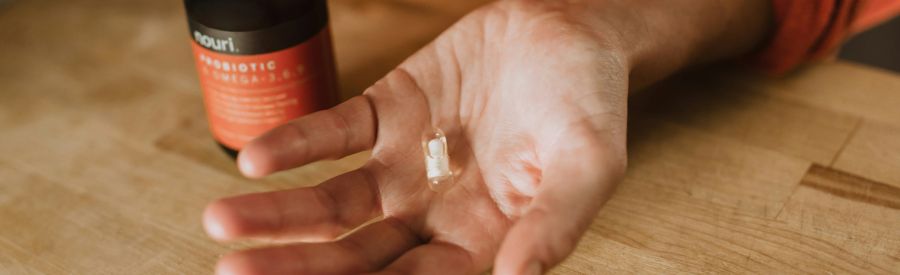
Your digestive tract is home to trillions of tiny microorganisms. While some microorganisms can cause trouble, many others are normal residents of the gut and form part of a complex microbial community. The International Scientific Association for Probiotics and Prebiotics (ISAPP), building on the widely used Food and Agriculture Organization of the United Nations (FAO) and World Health Organization (WHO) definition, defines probiotics as live microorganisms that provide a health benefit when consumed in adequate amounts. Think of your gut as a garden. Probiotics can be thought of as selected live microorganisms introduced into that environment. However, they do not necessarily settle permanently in your gut. Their effects can depend on the particular microorganism, strain, amount and reason for taking it. The National Institutes of Health (NIH) Office of Dietary Supplements also notes that different probiotics can have different effects, which is why evidence for one strain should not automatically be applied to another. Some foods and drinks can contain probiotic microorganisms, including certain yoghurts and products made with specifically identified probiotic cultures. It is worth remembering that fermented does not automatically mean probiotic. An ISAPP consensus statement on fermented foods makes this distinction clear: fermentation describes how a food is made, while the term probiotic requires sufficiently defined live microorganisms with evidence for a health benefit.
What are prebiotics and what do they do?
If probiotics are the microorganisms in your garden, prebiotics are more like the material that helps selected microorganisms grow and function. According to the ISAPP consensus definition, a prebiotic is a substrate that is selectively used by microorganisms in the body and provides a health benefit. Many recognised prebiotics are types of fermentable carbohydrate or fibre, although not every dietary fibre is a prebiotic. These substances can reach the colon, where particular gut microorganisms use them. Fermentation of certain prebiotic carbohydrates can also produce short chain fatty acids. One of these, butyrate, is an important energy source for cells lining the colon. You do not always need special products to get prebiotic fibres. Foods that can contribute them include:
Garlic, onions and leeks
Bananas, particularly less ripe bananas
Oats and barley
Asparagus and other fibre-rich plant foods
The practical goal is variety rather than relying on one ingredient marketed as a prebiotic.
Probiotics vs prebiotics: what is the main difference?
The easiest way to understand probiotics vs prebiotics is to look at their roles:
Probiotics: Live microorganisms consumed in adequate amounts for a demonstrated health benefit.
Prebiotics: Substances selectively used by microorganisms in the body that provide a health benefit.
Synbiotics: A mixture of live microorganisms and a substrate used by microorganisms that together provides a health benefit.
They are different, even though both are connected to the gut microbiome. You can consume them separately, and one does not automatically depend on the other. The word synbiotic also has a specific meaning. According to an ISAPP expert consensus, a synbiotic is not simply any probiotic capsule taken alongside fibre. It refers to a mixture of live microorganisms and substrates used by microorganisms that together provides a health benefit.
Do you need both prebiotics and probiotics?
Not necessarily, particularly when we are talking about supplements. A balanced diet containing vegetables, fruits, whole grains and other fibre rich foods can provide material for the microorganisms already living in your gut. Probiotic supplements are more specific, and their usefulness depends on the microorganism or strain, amount and reason someone is taking them. There is no general recommendation that every healthy person needs a probiotic supplement. Prebiotics and probiotics can complement one another, but that does not mean taking both is automatically better. When comparing probiotics vs prebiotics, the more useful question is what you are trying to achieve and whether food, a specific supplement or no supplement at all makes the most sense.
Can you get probiotics and prebiotics from food?

Yes, but they do not show up in food in exactly the same way. Prebiotic fibres occur naturally in a range of plant foods, so a varied diet can provide them without a dedicated supplement. Probiotics are more specific. Some yoghurts and other products contain well-characterised probiotic cultures, but ordinary fermented food is not automatically probiotic. Kombucha, kimchi, kefir and sauerkraut may contain live microorganisms depending on how they are made and processed, but the microorganisms may not be identified at strain level or studied for a particular health benefit. ISAPP specifically notes that not every fermented food qualifies as a probiotic food.
When should you consider prebiotic and probiotic supplements?
Eating a varied diet with fruits, vegetables, whole grains and fermented foods is a good starting point. However, some people choose supplements for convenience or because they are looking for a particular probiotic strain or prebiotic ingredient. For probiotics, look at the specific microorganism or strain, viable amount, storage requirements and evidence for its intended use. A higher Colony-Forming Unit (CFU) number does not automatically mean a better probiotic. NIH guidance similarly notes that a higher CFU count alone does not necessarily mean greater benefit. For a prebiotic supplement, check the ingredients and serving size. Fructooligosaccharides (FOS) and inulin can be highly fermentable, so introducing a large amount may cause gas or bloating. Monash University notes that highly fermentable fibres such as FOS and inulin can worsen gas-related symptoms in some people with irritable bowel syndrome (IBS). Antibiotics can alter the gut microbiota, but this does not mean everyone needs a probiotic afterwards. Some specific probiotic strains and formulations have been studied alongside antibiotics, but those findings should not be applied to every probiotic product. If you are taking antibiotics and considering a probiotic, ask your doctor or pharmacist whether it is appropriate and how it should be timed.
Where Aora Gut Guard may fit
For someone who prefers a supplement containing both components, Aora Gut Guard combines the SNZ TriBac probiotic blend with FOS as a prebiotic ingredient. The blend contains Bacillus coagulans SNZ 1969, Bacillus clausii SNZ 1971 and Bacillus subtilis SNZ 1972, providing 2 billion CFU. It is intended for everyday digestive wellness, not to diagnose or treat a digestive disease. The fact that a product contains both a probiotic and a prebiotic does not mean everyone needs it. The same probiotics vs prebiotics principle applies: consider the complete formula, why you are taking it and whether it suits your needs.
Can prebiotics or probiotics cause side effects?
Introducing new fermentable fibres or live microorganisms can sometimes cause temporary bloating or mild gas. Individual responses vary, and the complete formula matters because prebiotic fibres and other ingredients can contribute to digestive changes too. Probiotics are generally well tolerated by healthy people, but extra caution is appropriate for people who are seriously ill or have significantly weakened immune systems. The National Center for Complementary and Integrative Health (NCCIH) notes that the risk of harmful effects is greater in people with severe illnesses or compromised immunity. A varied, fibre-rich diet is a sensible foundation for gut health. Probiotic or prebiotic supplements can then be considered according to individual needs rather than as something everyone must take. Persistent abdominal pain, ongoing diarrhoea, blood in the stool, unexplained weight loss, fever or vomiting should be medically assessed rather than managed by repeatedly adding gut health supplements.
Related Articles
Sources
National Institutes of Health Office of Dietary Supplements: Probiotics for Health Professionals
National Institutes of Health Office of Dietary Supplements: Probiotics for Consumers
National Center for Complementary and Integrative Health: Probiotics, Usefulness and Safety
Medical Disclaimer: This article is for general educational purposes only and should not replace professional medical advice, diagnosis or treatment. Speak with a qualified healthcare professional before using a probiotic or prebiotic supplement if you are seriously ill, significantly immunocompromised, pregnant, breastfeeding, taking medicines or managing a significant medical condition. Seek medical advice for persistent abdominal pain, severe bloating, ongoing diarrhoea, blood in the stool, unexplained weight loss, fever or vomiting.
Continue this topic
Connected guides, ingredient explainers, product context, and tools chosen from this article's topic cluster.
Bloating, acidity, probiotics, enzymes, microbiome basics
Are probiotic drinks good for you? Check the strain, CFU count, sugar and storage, and see how they compare with curd and supplements.
Probiotic supplements are generally well tolerated by healthy adults, but they are not risk free for everyone. Learn about common side effects, antibiotics, vulnerable groups and what to check on the label.
Many adults with diabetes can take probiotics, but they are not a treatment for high blood sugar. Learn what research says about safety, HbA1c, probiotic foods and choosing a supplement.
Quick questions
Which is better, probiotics or prebiotics?
Neither is automatically better. Probiotics are live microorganisms with demonstrated benefits, while prebiotics are substances used by selected microorganisms in a way that provides a health benefit. Which one is relevant depends on what you are trying to achieve.
Should you take prebiotics and probiotics together?
You can, but you do not necessarily need to. Many people already get prebiotic fibres from food. A combination supplement may be convenient, but it should still be assessed by its ingredients, amounts and evidence rather than simply because it contains both.
What happens if you take probiotics without prebiotics?
A probiotic does not require a separate prebiotic supplement in order to work. Your normal diet already provides carbohydrates and fibres that reach the gut. Whether a probiotic is useful depends more on the specific strain, amount and intended use.
What foods contain both probiotics and prebiotics?
Some meals can naturally combine the two. For example, yoghurt containing a defined probiotic culture can be eaten with oats or banana. That does not automatically make the meal a scientifically validated synbiotic because synbiotic has a more specific definition.
Are fermented foods the same as probiotics?
No. Fermentation describes how a food is made. A probiotic must contain live microorganisms that are sufficiently identified and supported by evidence for a health benefit. Some fermented foods meet those criteria, while many do not.
Can prebiotics or probiotics cause bloating?
Yes. Some people notice temporary gas or bloating when introducing probiotics or highly fermentable prebiotic fibres. If symptoms are severe, persistent or worsening, review the product and seek medical advice rather than assuming discomfort means it is working.
8 linked sources checked against our citation and claim-safety process.
Reviewed 5 Sept 2026 for supplement-claim and medical-disclaimer boundaries.
Recommended from the Aora range
Aora Nutrivit Plus
19 Essential Nutrients with Zinc, Magnesium and Vitamins B Complex, C and D3
- Multivitamin
- Daily Foundation
- Made in India
From₹690.00
Try Aora - free
Put this article to work on you.
Health and safety notice
- This article is educational. It is not medical advice and is not a substitute for guidance from a qualified healthcare provider. Consult a physician before starting any supplement, especially during pregnancy or breastfeeding, with a medical condition, or while on medication.
- FSSAI compliance: Health supplements and nutraceuticals are not intended for medicinal use. Any supplement-related information is provided to describe nutritional or physiological support and should not be interpreted as a claim to diagnose, treat, cure, or prevent any disease. FSSAI regulates health supplements and nutraceuticals separately from medicinal products.
Read our full medical disclaimer and editorial policy.
Sources and editorial standards
- 1International Scientific Association for Probiotics and Prebiotics: Consensus Statement on Probiotics
- 2International Scientific Association for Probiotics and Prebiotics: Consensus Statement on Prebiotics
- 3International Scientific Association for Probiotics and Prebiotics: Consensus Statement on Fermented Foods
- 4International Scientific Association for Probiotics and Prebiotics: Consensus Statement on Synbiotics
- 5National Institutes of Health Office of Dietary Supplements: Probiotics for Health Professionals
- 6National Institutes of Health Office of Dietary Supplements: Probiotics for Consumers
- 7National Center for Complementary and Integrative Health: Probiotics, Usefulness and Safety
- 8Monash University: Fibre Supplements and IBS
Supplement content is educational only and should not replace medical advice from a qualified clinician. Product mentions are reviewed for claim safety before publication.
Keep reading

Are Probiotic Drinks Good for You? What to Check First
Aora Research Team · 10 Oct 2026

Are Probiotic Supplements Safe? Side Effects, Risks and What to Check
Aora Research Team · 11 Sept 2026
Can People With Diabetes Take Probiotics? Benefits, Safety and What Research Says
Aora Research Team · 3 Sept 2026