
Are High-Protein Snacks Healthy? What Labels Reveal
Are protein bars and protein chips really healthy? Learn how to check protein, sugar, salt and serving sizes, with simple Indian snack choices.
In this article(11 sections)
- Why is protein suddenly in everything?
- What does high protein actually mean on a food label?
- Check the serving size first
- What else should you check besides protein?
- Are protein bars better than ordinary snacks?
- Do you actually need extra protein?
- What about roasted chana, curd and peanuts?
- Can high-protein snacks help with weight loss?
- So what should you buy?
- References and sources
- Medical disclaimer
It's four in the afternoon, and your stomach is growling halfway through an office meeting. Lunch was hours ago, and you still have two calls left. During a tea break, you stop at the supermarket downstairs. The usual biscuits and namkeen are there, but something else catches your eye: protein chips, protein cookies and a chocolate bar promising 15 g of protein. You pick up the bar. It looks like chocolate, tastes like chocolate and has protein written across the front. Surely that's a healthier snack? High-protein snacks can be a useful choice, but having more protein doesn't automatically make a food healthier. Sugar, saturated fat, sodium, fibre and portion size matter too. And that's where the small print on the packet becomes interesting.
Why is protein suddenly in everything?
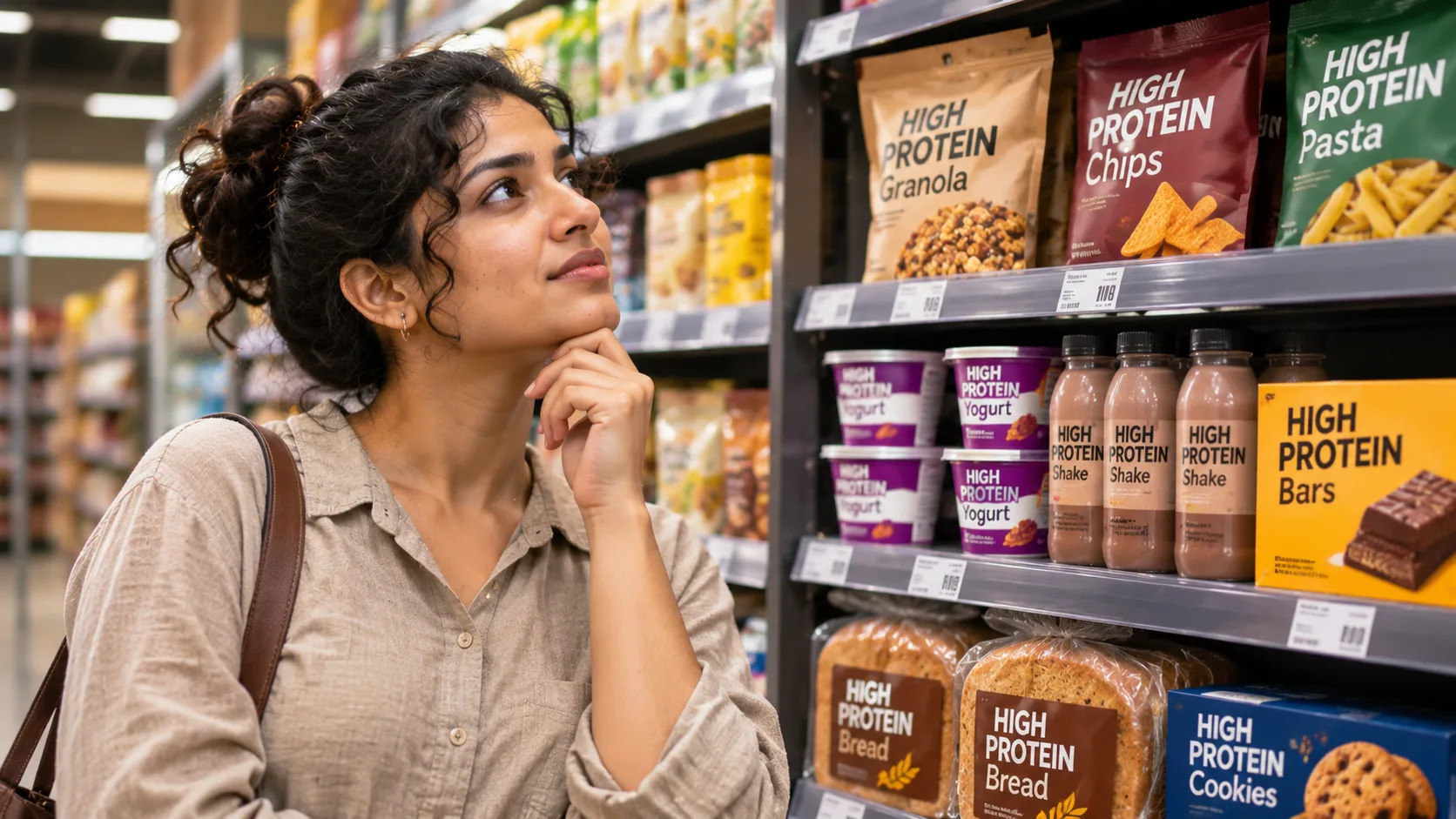
Not long ago, protein was mostly discussed in gyms. Now it's printed on breakfast cereals, biscuits, ice creams and coffee sachets. It's easy to see why people are interested. Your body uses protein to maintain muscles, repair tissues and make enzymes and hormones. The ICMR-NIN Dietary Guidelines for Indians encourage getting nutrients from a varied diet. Protein is important, but so are carbohydrates, fats, vitamins, minerals and fibre. A snack providing 15 g of protein can be convenient. Whether it's the right choice depends on everything else it contains and what you've already eaten that day.
What does high protein actually mean on a food label?
Back at your desk, you turn the bar over. The front says 15 g protein, but the nutrition panel lists calories, carbohydrates, sugar and fat. Suddenly, choosing a snack involves more than one number. In India, claims such as "source of protein" and "high protein" are covered by FSSAI's Advertising and Claims Regulations. A product must meet specified conditions to use them. However, those conditions don't automatically tell you whether the food is low in added sugar or sodium.
Also Read: Paneer Protein: How Much You Get and How to Eat It
Check the serving size first
Imagine a 60 g packet of protein chips showing 20 g of protein per 100 g. If you finish the packet, you've eaten 12 g of protein, not 20 g. That's why serving size matters. FSSAI's label-reading guidance recommends checking both the quantity in the packet and the amount used for the nutrition information. Look at the values for the portion you'll actually eat. A small number on the back can change how you understand the large number on the front.
What else should you check besides protein?
Now you're comparing two snacks. One has more protein, while the other has less sugar. But neither tells you everything about how nutritious the snack actually is. Here's what else to check on the label:
Added sugar: A chocolate protein bar may contain sugar, syrup or honey, all of which contribute to its sugar content. The World Health Organization (WHO) recommends keeping free sugars below 10% of your total daily energy intake.
Saturated fat: A protein-rich biscuit or bar may still contain a considerable amount of saturated fat. Check the nutrition panel, particularly if packaged snacks are a regular part of your diet.
Sodium: Seasoned protein chips and other savoury snacks may contain substantial amounts of sodium. The WHO recommends that adults consume less than 2,000 mg of sodium per day, equivalent to about 5 g of salt.
Fibre: Fibre supports digestive health and can help you feel satisfied after eating. Check how much the snack provides, especially if you're choosing something to keep you going between meals.
The next time you pick up a high-protein snack, look beyond the protein number. The overall nutritional balance matters more than any single claim on the packet.
Are protein bars better than ordinary snacks?
The next afternoon, you're hungry at almost exactly the same time. Yesterday's bar was convenient, so buying another seems reasonable. And it may be. Protein bars can be useful during travel, long workdays or whenever a regular meal isn't practical. But their ingredients and nutritional values differ from one brand to another. Some contain oats, nuts or milk protein. Others use different combinations of protein ingredients, sweeteners and fats. Being packaged or processed doesn't automatically tell you how nutritious a particular bar is. So there's no simple winner between a protein bar and an ordinary snack. Compare the serving size and nutritional content, then think about what you're eating it for. Convenience matters, but so does the rest of your diet.
Do you actually need extra protein?
Before making protein bars an everyday habit, think about yesterday's meals. Perhaps breakfast was idli with sambar, lunch was rice and dal, and dinner included roti with paneer. You were already getting protein from several foods. ICMR-NIN recommends approximately 0.83 g of protein per kilogram of body weight daily for healthy adults consuming good-quality protein. That works out to about 50 g for someone weighing 60 kg. For predominantly cereal-based diets with lower protein quality, the recommendation is around 1 g per kilogram. Individual needs may differ. You may benefit from a convenient protein-rich snack if your usual meals aren't meeting your requirements. But extra protein isn't automatically more beneficial once your needs are being met.
Also read: What are macronutrients? Understand how protein, carbohydrates and fats support your body.
What about roasted chana, curd and peanuts?
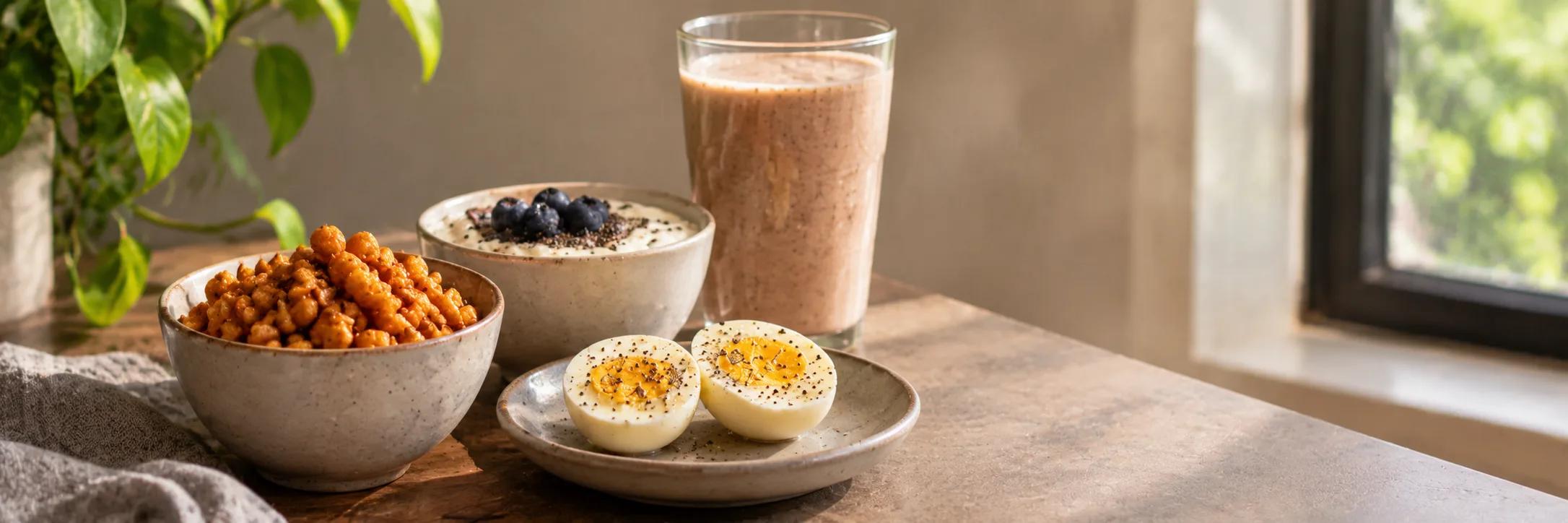
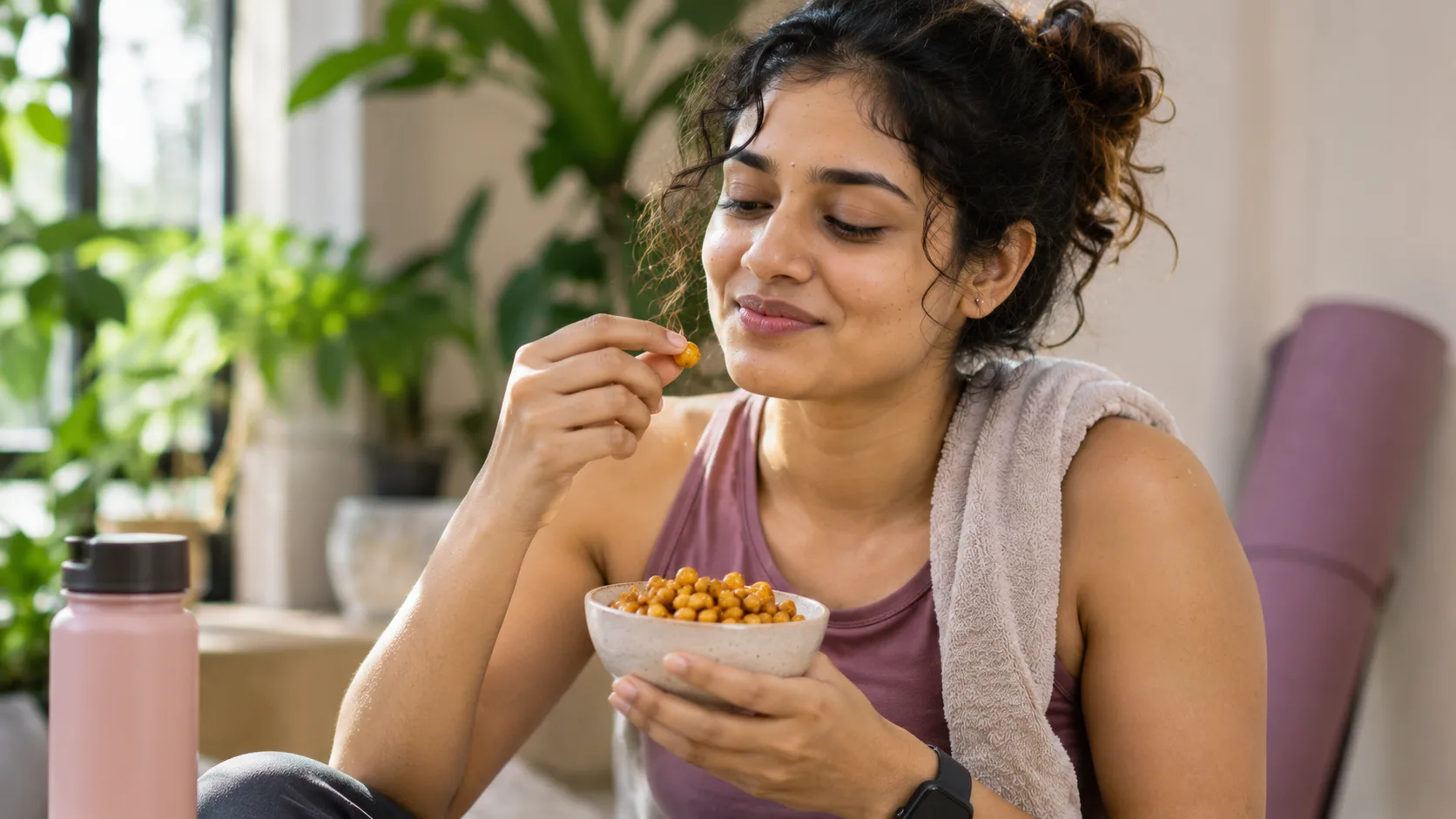
On your next tea break, there's roasted chana in the office pantry. You realise it was there all along, right beside the biscuits. Roasted chana provides protein and fibre. Peanuts offer protein and unsaturated fats. Curd supplies protein and calcium, while eggs and paneer are other familiar options. You could also have sprouts chaat or a small sandwich with a protein-rich filling. These foods aren't necessarily higher in protein than a specialised bar, and their portions matter too. They're simply more choices. Some days, a packaged snack is convenient. On others, a bowl of curd or roasted chana is just as practical.
Can high-protein snacks help with weight loss?
You notice that several bars are also marketed towards people managing their weight. Does more protein mean easier weight loss? Protein can help people feel full. A systematic review and meta-analysis of clinical trials found that higher protein intake improved some short-term measures of fullness and hunger, although longer-term findings were less clear. But protein bars still contain calories. Adding one every afternoon without changing anything else increases your overall energy intake. Whether that suits your weight goals depends on your wider eating pattern. A snack can help satisfy hunger, but no individual protein product guarantees weight loss.
So what should you buy?
By Friday, you know the snack shelf rather well. You still like the chocolate protein bar, and there's nothing wrong with choosing it when it fits your needs. Now, though, you turn the packet over first. You check how much protein is in the serving, look at sugar, saturated fat, sodium and fibre, and consider whether you're genuinely hungry or simply looking for something to eat during a break. That's a more useful habit than relying on one claim. High-protein snacks can fit into a healthy diet, but the protein number is only part of the story. Sometimes the right choice is a bar. Sometimes it's roasted chana and chai. What matters is the food as a whole and how it fits into your day.
References and sources
ICMR-NIN: Dietary Guidelines for Indians, 2024. Balanced diets, dietary variety and protein sources.
Press Information Bureau: Guidance on Protein Adequacy. ICMR-NIN protein allowances and Indian food combinations.
FSSAI: Advertising and Claims Regulations. Regulatory framework for nutrition claims, including high-protein claims.
FSSAI Eat Right India: How to Read Food Labels. Serving sizes, nutrition panels and food label interpretation.
WHO: Healthy Diet. Dietary guidance on sugar, sodium, fat and fibre.
Kohanmoo et al., 2020: Protein Consumption, Appetite and Satiety. Systematic review and meta-analysis of randomised controlled trials.
Medical disclaimer
This article is for general information and educational purposes only. It is not a substitute for professional medical advice or personalised dietary guidance. Protein needs vary with age, health, body weight and activity. People with kidney disease, food allergies or prescribed dietary restrictions should consult a qualified healthcare professional before significantly changing protein intake. The office experiences described are illustrative, not real personal accounts.
Continue this topic
Connected guides, ingredient explainers, product context, and tools chosen from this article's topic cluster.
What does your Health Age mean? Learn what affects your score, what studies say about ageing and how everyday lifestyle changes can support better health
Does skipping meals affect your nutrition? Learn what research says about missed meals, nutrient intake and how to maintain a balanced diet.
Taking biotin but still experiencing hair fall? Learn why biotin may not help, other possible causes of hair loss and when to see a dermatologist.
Quick questions
Are high-protein snacks actually healthy?
They can be. Their nutritional quality depends on the ingredients, serving size and amounts of sugar, fat, sodium and fibre, not protein alone.
Are protein chips healthier than regular chips?
Not necessarily. Protein chips may provide more protein, but compare calories, sodium, fat and serving size before deciding.
Can I eat a protein bar every day?
Yes, it can fit into a balanced diet, provided it suits your nutritional needs. Variety in your protein sources is still important.
Do protein snacks help with weight loss?
Protein may improve fullness, but a protein-rich snack doesn't automatically cause weight loss. Your overall diet and energy intake matter.
What are some Indian protein-rich snacks?
Roasted chana, curd, eggs, paneer, peanuts and pulse-based snacks are familiar options. Their protein content depends on the portion and preparation.
6 linked sources checked against our citation and claim-safety process.
Reviewed 10 Nov 2026 for supplement-claim and medical-disclaimer boundaries.
Recommended from the Aora range
Aora Nutrivit Plus
19 Essential Nutrients with Zinc, Magnesium and Vitamins B Complex, C and D3
- Multivitamin
- Daily Foundation
- Made in India
From₹690
Try Aora - free
Put this article to work on you.
Health and safety notice
- This article is educational. It is not medical advice and is not a substitute for guidance from a qualified healthcare provider. Consult a physician before starting any supplement, especially during pregnancy or breastfeeding, with a medical condition, or while on medication.
- FSSAI compliance: Health supplements and nutraceuticals are not intended for medicinal use. Any supplement-related information is provided to describe nutritional or physiological support and should not be interpreted as a claim to diagnose, treat, cure, or prevent any disease. FSSAI regulates health supplements and nutraceuticals separately from medicinal products.
Read our full medical disclaimer and editorial policy.
Sources and editorial standards
- 1ICMR-NIN Dietary Guidelines for Indians
- 2FSSAI's Advertising and Claims Regulations
- 3FSSAI's label-reading guidance
- 4World Health Organization (WHO)
- 5.
- 6systematic review and meta-analysis of clinical trials
Supplement content is educational only and should not replace medical advice from a qualified clinician. Product mentions are reviewed for claim safety before publication.