Paneer Protein: How Much You Get and How to Eat It
Paneer protein is about 19 g per 100 g, with about 25 g of fat. See how much paneer fits your daily protein need, full fat vs low fat and easy Indian recipes.
In this article(10 sections)
- How much protein is in 100 g of paneer?
- Is paneer good quality protein?
- How much protein do you need every day?
- So how much paneer should you eat?
- Full fat or low fat paneer: which should you buy?
- Is homemade paneer better than packaged paneer?
- Six easy ways to add paneer to your meals
- Who should be careful with paneer?
- When should you see a doctor or dietitian?
- Sources
Protein seems to be everywhere these days. At the gym, someone is tracking their daily intake. At work, a colleague is trying to find more vegetarian protein sources. And at home, someone suggests adding extra paneer to your plate. Paneer is certainly a good option, but how much paneer protein are you actually getting? According to India's food composition tables, 100 g of paneer provides around 19 g of protein, making it a useful addition to a vegetarian diet. However, the same portion also contains about 25 g of fat, so how much you eat matters. Let's look at paneer's nutritional value, how it contributes to your daily protein needs and the healthiest ways to include it in Indian meals.
How much protein is in 100 g of paneer?
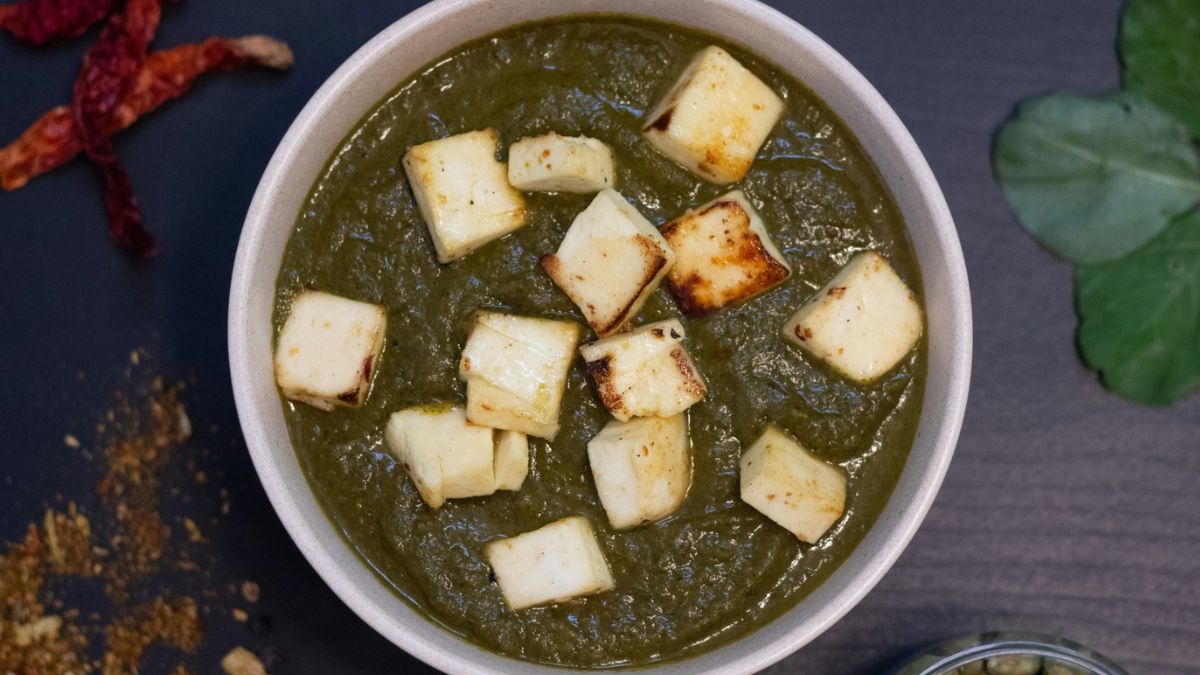
The Indian Food Composition Tables published by ICMR-National Institute of Nutrition list paneer at 18.86 grams of protein, 24.78 grams of fat and 2.41 grams of carbohydrate per 100 grams. Its energy value is 1278 kilojoules, which works out to about 305 kilocalories (IFCT 2017, ICMR-NIN). For comparison, the same tables list whole cow milk at 3.26 grams of protein per 100 grams. So a 200-gram glass of cow milk gives you about 6.5 grams of protein. A 100-gram block of paneer gives you roughly what you would get from almost three such glasses.
Paneer is made by heating milk and adding lemon juice or vinegar to separate the milk solids from the liquid. These solids contain most of the milk's fat and much of its protein, mainly casein, along with some whey proteins. The remaining liquid, called whey, is drained away (Kumar, Journal of Food Science and Technology, 2014). This process concentrates the protein and fat from a larger quantity of milk into a small block of paneer.
Is paneer good quality protein?
Protein quality means how well a food supplies all the essential amino acids, the building blocks your body cannot make on its own. Milk proteins score well on this. This matters in India. Indian diets get almost 60 per cent of their protein from cereals, which have relatively low digestibility and quality (Swaminathan, British Journal of Nutrition, 2012). Researchers working on Indian protein needs have pointed to milk and pulses as the high-quality proteins that can close this gap (Minocha, Journal of Nutrition, 2017). So paneer is a good partner for a roti and rice-based meal. Dal, rajma and chana do the same job from the plant side. A good vegetarian plate has both a dairy food and a pulse across the day.
How much protein do you need every day?
Your daily protein requirement depends on your body weight, age and activity level. A commonly used guideline is 0.8 g of protein per kilogram of body weight per day. According to Harvard Health Publishing, this is the Recommended Dietary Allowance (RDA) for most healthy adults. It represents a basic requirement, not necessarily the ideal amount for everyone. Here's what that means for different body weights:
50 kg: Around 40 g of protein daily.
60 kg: Around 48 g of protein daily.
75 kg: Around 60 g of protein daily.
Older adults and people who exercise regularly may need more protein to maintain muscle mass and strength. A 2015 review on protein and ageing suggests that 0.8 g per kilogram may not be enough for optimal muscle health in older adults. It also highlights the importance of spreading protein intake across meals rather than consuming most of it at once.
Where does paneer fit in? A 100 g serving provides approximately 19 g of protein, making it a useful contribution to your daily intake. However, you'll still need other protein-rich foods throughout the day to meet your requirements.
Also read:
Why Men Lose Muscle After 30: Causes and What Helps
What Are Macronutrients? Understanding Protein, Carbohydrates and Fats
So how much paneer should you eat?
Let's say you weigh 60 kg and need around 48 g of protein a day. Eating 100 g of paneer gives you approximately 19 g of protein, covering nearly 40% of that requirement. However, the same portion also provides around 305 calories and 25 g of fat. So, while paneer is rich in protein, eating more isn't always necessary. For everyday meals, a smaller portion of 50 to 75 g may be more practical. That's roughly a small katori of paneer bhurji or six to eight medium-sized cubes in a sabzi. Based on Indian Food Composition Tables (IFCT), this portion provides:
Around 9 to 14 g of protein.
Around 12 to 19 g of fat.
Approximately 150 to 230 calories.
You don't need to get all your protein from paneer. A bowl of dal, a glass of milk, some curd and whole wheat rotis can contribute to your daily intake too. The idea is to spread your protein across different meals and foods, rather than relying on one large serving of paneer to meet your needs.
Full fat or low fat paneer: which should you buy?
Regular paneer is often made from full fat buffalo or cow milk. Low fat paneer is made from toned or skimmed milk. Because milk itself varies so much, paneer makers use different methods to suit each type of milk and each kind of buyer (Khan, Journal of Food Science and Technology, 2011). A simple way to choose is to look at what else is on your plate and what you are trying to do.
If you are trying to lose weight, have high cholesterol or have been told to watch saturated fat, a low fat or toned milk paneer gives you more protein per calorie. Read the nutrition panel and compare the fat and protein per 100 grams.
If you are a growing teenager, a very active person or someone who struggles to keep weight on, regular paneer is a compact source of both protein and energy.
If you cook paneer in a rich gravy with cream and butter, the gravy may add more fat than the paneer itself.
Is homemade paneer better than packaged paneer?

Both homemade and packaged paneer can be nutritious choices. The main advantage of making paneer at home is that you know exactly what goes into it. You can also use toned milk if you prefer a lower-fat version. Making paneer at home is fairly simple:
Bring one litre of milk to a boil and switch off the heat.
Slowly add lemon juice or diluted vinegar while stirring gently.
Once the milk separates into white curds and greenish whey, strain it through a clean muslin cloth.
Rinse the curds with cold water to remove the sour taste.
Press under a heavy pan for 30 to 60 minutes until firm.
A useful kitchen tip: Don't throw away the leftover whey. You can use it to knead atta or cook dal, although some nutrients remain in the liquid. If you prefer packaged paneer, choose a properly sealed pack from a reliable brand. Check the manufacturing and use-by dates, read the ingredient list and make sure it has been stored in the refrigerator.
A review published in the Journal of Food Science and Technology notes that paneer has a short shelf life, lasting roughly a day at room temperature and about a week under suitable refrigeration. Whichever type you choose, keep paneer refrigerated and follow safe storage practices. Freshness and proper handling matter more than whether it was made at home or bought from a shop.
Six easy ways to add paneer to your meals
How you cook paneer can make a big difference to how healthy the overall meal is. You don't need elaborate recipes or rich gravies to enjoy its protein benefits.
Here are six simple ways to include paneer in your everyday diet:
Paneer bhurji: Cook paneer with onions, tomatoes, capsicum and peas. Serve with two phulkas for a filling meal.
Paneer tikka: Marinate paneer in curd and spices, then grill or cook it on a tawa instead of deep-frying it as pakoras.
Palak paneer: Use more spinach than paneer to add fibre, vegetables and variety to your plate.
Paneer stuffed roti: Combine crumbled paneer with chopped vegetables for an easy office lunch.
Paneer and sprouts salad: Toss a few paneer cubes with moong sprouts, lemon juice and chaat masala for a protein-rich snack.
Paneer vegetable pulao: Add paneer and mixed vegetables to pulao, and serve with plain curd.
Breakfast is another good opportunity to add protein. Meals like plain poha, upma or toast with chai may provide relatively little protein on their own. Adding a small portion of paneer can help spread your protein intake more evenly throughout the day. For most people, everyday foods such as paneer, dal, eggs and curd are a practical starting point before considering protein powders.
Also read:
High Protein Indian Breakfast: What It Does and Easy Swaps
Sweet Potato Benefits: Shakarkandi Nutrition and Winter Ways
Who should be careful with paneer?
Paneer is an everyday food in many homes, but a little caution helps in a few situations.
Kidney disease. If you have chronic kidney disease, your doctor or dietitian may limit your total protein. Follow their numbers rather than a fitness target.
High cholesterol or heart disease. Ask your doctor whether to prefer low-fat dairy, given the saturated fat in full-fat paneer.
Lactose intolerance. Paneer keeps only a portion of the milk's lactose (milk sugar), since much of it leaves with the whey (Kumar, 2014). Small portions may suit you. Start with a little and see how you feel.
Milk allergy. This is different from lactose intolerance. If you are allergic to milk protein, paneer is not safe for you.
Food safety. Avoid paneer that smells sour, feels slimy or has been left out for hours in summer heat or at a wedding buffet.
When should you see a doctor or dietitian?
See a doctor if you are worried about your weight, your energy or your muscle strength, or if a problem is not getting better. That needs a proper check, not just more paneer. See a registered dietitian if you have diabetes, kidney disease, a heart condition or are pregnant and want a protein plan that fits your medication and blood reports.
Paneer will not fix a diet on its own. Eaten in sensible portions next to dal, vegetables and whole grains, it makes a vegetarian plate stronger. The next time someone at the lunch table says "just eat paneer", you can smile and add the part the reels leave out: just eat it in the right amount.
Sources
Indian Food Composition Tables 2017 (ICMR-National Institute of Nutrition, 2017)
Paneer: an Indian soft cheese variant, a review (Journal of Food Science and Technology, 2014)
Paneer production: a review (Journal of Food Science and Technology, 2011)
Protein intakes in India (British Journal of Nutrition, 2012)
How much protein do you need every day (Harvard Health Publishing, 2023)
Medical Disclaimer: This article is for general information and is not a substitute for advice from your doctor. Speak to a qualified healthcare professional before starting any supplement, especially if you are pregnant, breastfeeding or taking medication.
Continue this topic
Connected guides, ingredient explainers, product context, and tools chosen from this article's topic cluster.
Juice cleanses, detox teas, foot pads and post festival resets explained. How your liver clears toxins on its own and the habits that actually support it.
Shakarkandi season is here. What 100 g really holds, why orange flesh matters, how cooking changes blood sugar and five Indian ways to eat it.
Cold plunges are everywhere, from cricket dressing rooms to home bathtubs filled with kirana ice. Learn what an ice bath really does to your hormones, muscles and stress levels and who should skip it.
Quick questions
How much protein is in 100 g of paneer?
The Indian Food Composition Tables from ICMR-NIN list paneer at about 19 grams of protein per 100 grams. The same 100 grams also has about 25 grams of fat and about 305 kilocalories.
How much paneer should I eat in a day?
There is no fixed amount. A 50 to 75 gram portion gives about 9 to 14 grams of protein, which fits easily into a day. Pair it with dal, curd, milk and whole grains rather than relying on paneer alone.
Is paneer enough protein for a vegetarian?
Paneer is a high quality protein, but one food rarely covers the whole day. A vegetarian plate works best with a dairy food such as paneer or curd plus a pulse such as dal, rajma or chana spread across meals.
Is low fat paneer better than regular paneer?
Low fat paneer made from toned or skimmed milk gives you protein with fewer calories, which helps if you are watching weight or cholesterol. Regular paneer suits very active people and those who need more energy. Compare the labels.
Can people with lactose intolerance eat paneer?
Paneer keeps only part of the milk sugar because much of it drains away with the whey. If you are lactose intolerant, small portions may suit you. A milk protein allergy is different. In that case paneer should be avoided.
Who should limit paneer?
People with chronic kidney disease may be asked to limit protein. People with heart disease or high cholesterol may be told to prefer low fat dairy. Follow your doctor or dietitian, since your blood reports and medication matter.
7 linked sources checked against our citation and claim-safety process.
Reviewed 4 Nov 2026 for supplement-claim and medical-disclaimer boundaries.
Recommended from the Aora range
Aora Nutrivit Plus
19 Essential Nutrients with Zinc, Magnesium and Vitamins B Complex, C and D3
- Multivitamin
- Daily Foundation
- Made in India
From₹690
Try Aora - free
Put this article to work on you.
Health and safety notice
- This article is educational. It is not medical advice and is not a substitute for guidance from a qualified healthcare provider. Consult a physician before starting any supplement, especially during pregnancy or breastfeeding, with a medical condition, or while on medication.
- FSSAI compliance: Health supplements and nutraceuticals are not intended for medicinal use. Any supplement-related information is provided to describe nutritional or physiological support and should not be interpreted as a claim to diagnose, treat, cure, or prevent any disease. FSSAI regulates health supplements and nutraceuticals separately from medicinal products.
Read our full medical disclaimer and editorial policy.
Sources and editorial standards
- 1IFCT 2017, ICMR-NIN
- 2Kumar, Journal of Food Science and Technology, 2014
- 3Swaminathan, British Journal of Nutrition, 2012
- 4Minocha, Journal of Nutrition, 2017
- 5Harvard Health Publishing
- 62015 review on protein and ageing
- 7Khan, Journal of Food Science and Technology, 2011
Supplement content is educational only and should not replace medical advice from a qualified clinician. Product mentions are reviewed for claim safety before publication.