How to Prevent Hair Breakage: 12 Practical Tips
Learn how to prevent hair breakage with practical advice on washing, conditioning, detangling, heat styling and spotting when hair changes need checking.

In this article(13 sections)
- Is it breakage, shedding or a scalp problem?
- Breakage vs shedding
- How to prevent hair breakage: 12 practical hair care tips
- Washing and conditioning
- Drying and detangling
- Styling and chemical processing
- Environmental protection
- Nutrition and realistic product expectations
- When to seek medical advice
- A practical routine to prevent hair breakage
- When should hair breakage be checked?
- Also read
- Medical Disclaimer
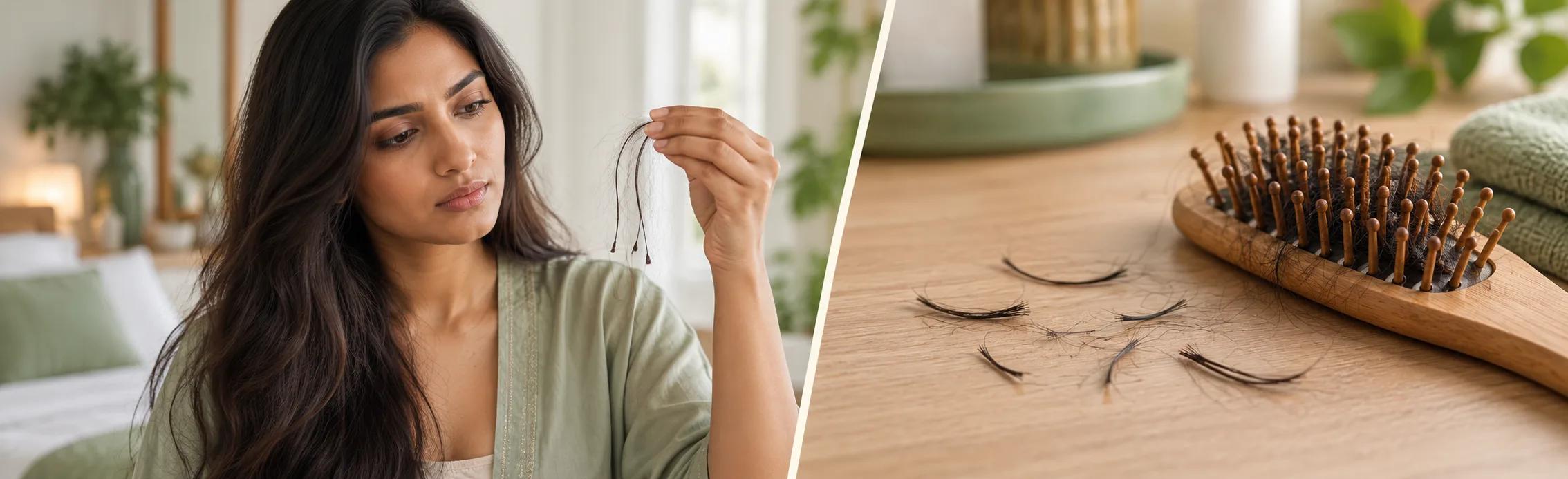
Hair breakage happens when the strand snaps somewhere along its length. It can leave hair looking dry, frizzy, uneven or difficult to manage. To understand how to prevent hair breakage, it helps to separate damage to the visible strand from shedding that begins at the follicle. A conditioner or smoothing serum may improve the feel of a damaged shaft, but it cannot treat dandruff, hormonal hair loss or another condition affecting the scalp or follicle.
Is it breakage, shedding or a scalp problem?
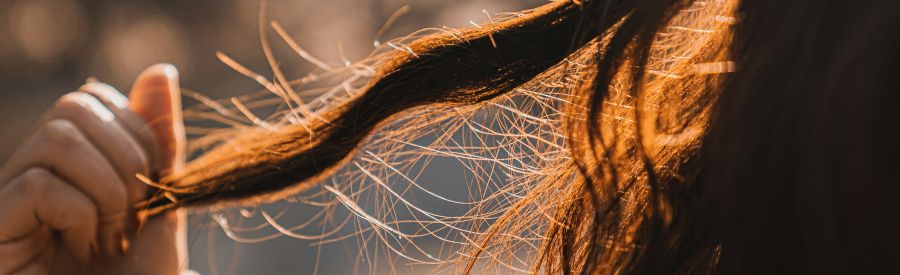
Before changing your routine, identify where the problem seems to be happening.
The hair shaft: The visible strand above the scalp. Once the shaft is physically damaged, it cannot biologically repair itself in the way living skin can. Products may coat and smooth damaged areas, but severely split or broken sections remain damaged.
The scalp: The skin covering your head. It can become oily, dry, flaky, irritated or affected by conditions such as dandruff.
The hair follicle: The living structure beneath the skin where hair grows. Genetics, hormones, illness, nutrition, stress and some medicines can influence the follicle.
Breakage vs shedding
Breakage: The hair shaft snaps somewhere along its length. You may notice shorter or uneven strands, frayed ends and more broken pieces during brushing or styling. Heat, chemical processing, rough detangling, dryness and repeated tension can contribute.
Shedding: A complete strand is released from the follicle as part of the hair-growth cycle. Shed strands are usually closer to their full length and may have a small club-shaped end. Illness, stress, hormonal changes, medicines, nutritional deficiencies and inherited hair-loss conditions can increase shedding.
Hair care can reduce damage to the shaft, while unusual shedding may need a different approach. If you are seeing a sudden increase in full-length hairs rather than short broken pieces, do not assume that changing shampoo or conditioner will solve the problem.
How to prevent hair breakage: 12 practical hair care tips
Washing and conditioning
1. Focus shampoo on the scalp
How you wash your hair can affect how much friction and dryness the strands experience. The American Academy of Dermatology's healthy hair guidance recommends applying shampoo mainly to the scalp rather than scrubbing it throughout the full length. As the shampoo rinses away, it moves through the rest of the hair and helps remove dirt without unnecessary rubbing.
2. Condition where your hair needs it
Conditioner moisturises and detangles the hair and can reduce friction between strands. For fine or straight hair, the American Academy of Dermatology suggests applying conditioner mainly to the ends, while people with dry or curly hair may benefit from applying it through the full length. Using conditioner regularly is one of the simplest ways to prevent hair breakage caused by tangling and rough handling.
3. Treat dandruff as a scalp condition
Flaking may be dandruff, although irritation and other scalp conditions can look similar. Applying more oil is not a reliable treatment for dandruff and may not address the underlying problem. The NHS guidance on dandruff recommends trying an anti-dandruff shampoo containing ingredients such as ketoconazole or selenium sulphide and using it for about a month to see whether symptoms improve. If dandruff persists, becomes severe or the scalp is very inflamed, speak with a pharmacist, doctor or dermatologist.
Drying and detangling
4. Adjust your detangling method to your hair texture
Wet hair can be vulnerable to mechanical damage, but the best way to detangle it depends on texture. The American Academy of Dermatology's hair-care recommendations advise people with straight hair to let it dry slightly before using a wide-tooth comb, while thick or curly hair can often be detangled more easily in the shower before conditioner is rinsed out. Starting at the ends and gradually working upwards can reduce unnecessary pulling.
Being gentle matters more than following one universal rule. Repeatedly dragging a brush through knots creates mechanical stress and makes it harder to prevent hair breakage, especially when the hair is already dry, bleached or fragile.
5. Limit high heat and use it carefully
You do not have to stop using a hairdryer, straightener or curling tool completely, but excessive heat can make the shaft more fragile. The AAD guidance on styling hair without damage recommends reducing the frequency of heat styling, allowing hair to partially air-dry where practical and using low or medium heat settings.
If you use a hairdryer, keep it moving rather than concentrating heat on one area for a long time. Reducing repeated high-temperature exposure is particularly useful when you are also colouring, straightening or chemically processing the hair.
Styling and chemical processing

6. Avoid unnecessary tension
Tight ponytails, braids, buns, weaves and extensions repeatedly pull on the hair and follicle. Over time, this can contribute to traction alopecia, a type of hair loss caused by persistent pulling. The American Academy of Dermatology's guidance on traction alopecia explains that prolonged tension can eventually result in permanent hair loss.
A hairstyle should not regularly hurt, pull strongly around the hairline or leave the scalp feeling sore. Choosing looser styles and changing where tension falls can help prevent hair breakage while also reducing stress on the follicle.
7. Reduce repeated chemical processing
Bleaching, colouring, perming, relaxing and chemical straightening change the structure of the hair shaft and can leave it more fragile. The AAD overview of hair-loss causes notes that repeated colouring, perming and relaxing can damage hair over time.
You do not necessarily need to give up every salon treatment. Leaving more time between chemical processes, avoiding overlapping treatments on already processed sections and reducing heat and tension at the same time can help minimise further damage while new hair grows.
Environmental protection
8. Protect hair from prolonged sun exposure
Strong UV exposure can affect the hair shaft, particularly when hair is already dry, lightened or chemically treated. The American Academy of Dermatology's summer hair-care guidance notes that UV exposure can contribute to dry, brittle or frizzy hair and colour changes. Wearing a hat or other physical covering is a simple way to reduce direct exposure when you spend long periods outdoors.
Protecting hair from environmental stress becomes more useful when you are already trying to prevent hair breakage from heat or chemical processing, because several forms of damage can occur at the same time.
9. Protect hair while swimming
Chlorinated pool water can make hair more vulnerable to dryness and damage. The AAD recommendations for protecting hair while swimming advise wearing a swim cap where practical, rinsing the hair immediately after swimming and following with shampoo and conditioner. Their summer hair-care guidance also notes that rinsing promptly after swimming can reduce prolonged chlorine exposure.
You do not need an elaborate swimming routine. Limiting prolonged exposure and restoring moisture afterwards are the main practical steps.
Nutrition and realistic product expectations
10. Eat adequately rather than chasing one nutrient
Normal hair growth depends on adequate overall nutrition, including enough energy and protein. Nutritional deficiencies can contribute to hair loss in some people, but hair shedding alone cannot tell you which nutrient, if any, is low.
Biotin is heavily marketed for hair, but true deficiency is uncommon. The NIH Office of Dietary Supplements fact sheet on biotin states that there is little scientific evidence supporting routine biotin supplements for improving hair, skin or nails in people who are not deficient. High-dose biotin can also interfere with some laboratory tests.
Nutrition supports the living follicle, but it cannot prevent hair breakage caused by repeated bleaching, excessive heat or rough handling of the shaft. If you suspect iron, vitamin B12, vitamin D, zinc or another nutritional deficiency, proper assessment is more useful than taking several hair supplements at once.
11. Keep realistic expectations for split ends
Conditioners, leave-in products and serums can coat damaged areas, reduce friction and temporarily make split ends look smoother. This can make fragile hair easier to manage and may reduce further mechanical damage, but a cosmetic product cannot permanently restore a hair shaft that has already split.
Trimming removes the damaged end before the strand continues to fray. A useful hair-care routine therefore aims to prevent hair breakage and new damage rather than promising to rebuild hair that has already been structurally damaged.
When to seek medical advice
12. Do not ignore sudden changes
Hair texture can change with age, climate and styling practices, but sudden or unusual hair loss deserves more attention. Speak with a healthcare professional if you notice significantly more shedding than usual, sudden or patchy hair loss, scalp pain, redness or sores, obvious thinning around the hairline, loss of eyebrows or body hair, or hair loss accompanied by symptoms such as unexplained tiredness or weight changes.
The Mayo Clinic guidance on sudden and patchy hair loss recommends medical assessment when hair suddenly starts falling out in patches or when noticeably more hair than usual comes out during washing or combing, because this can sometimes signal an underlying condition requiring treatment.
A practical routine to prevent hair breakage

You do not need a complicated shelf of products to prevent hair breakage. Focus on a routine that reduces unnecessary friction, heat and tension:
Wash: Massage shampoo mainly into the scalp and allow it to rinse through the lengths.
Condition: Use conditioner after washing and adjust where you apply it according to your hair texture.
Detangle: Work gently from the ends upwards with a wide-tooth comb using a method appropriate for your hair type.
Dry: Avoid rough towel rubbing and use lower heat when blow-drying.
Style: Choose hairstyles that do not repeatedly pull at the scalp or hairline.
Protect: Space out chemical treatments and protect fragile hair during swimming and prolonged sun exposure.
A simple routine used consistently is more useful than an elaborate treatment applied only occasionally.
When should hair breakage be checked?
Breakage caused mainly by styling or handling often improves once the damaging practice is reduced, but not every apparent breakage problem starts in the hair shaft. If your hair continues to become noticeably thinner despite gentler care, or you develop sudden shedding, bald patches, scalp inflammation or other new symptoms, speak with a doctor or dermatologist. Hair-care products can improve the condition and appearance of the visible shaft, but they cannot diagnose or treat hormonal hair loss, autoimmune conditions, significant nutritional deficiencies or other medical causes of shedding.
Also read
Medical Disclaimer
This article is for general educational purposes only and should not replace professional medical advice, diagnosis or treatment. Seek medical advice for sudden or patchy hair loss, unusually heavy shedding, scalp pain or inflammation, or hair changes accompanied by other unexplained symptoms. Supplements should not be used to self-treat suspected nutritional deficiencies without appropriate assessment.
Continue this topic
Connected guides, ingredient explainers, product context, and tools chosen from this article's topic cluster.
A plain guide to keratin: the layers of a hair strand, the sulphur bonds that make it strong and how nutrition builds new hair.
Smog particles stick to your hair and scalp every winter. What the research shows and the simple washing, covering and food habits that help.
Hair on your pillow, brush or bathroom floor does not always mean the same thing. Learn the signs that can help you tell increased shedding from hair breakage.
Quick questions
Key Takeaways Hair breakage happens along the shaft and is different from shedding at the root. Conditioning, gentle detangling and reducing heat can help limit avoidable damage. Tight hairstyles and repeated chemical processing can weaken hair and, in some cases, contribute to hair loss. Nutrition supports normal hair growth, but supplements cannot repair a damaged hair shaft or treat every cause of hair loss. Sudden, patchy or unusually heavy hair loss should be medically assessed. Hair breakage happens when the strand snaps somewhere along its length. It can leave hair looking dry, frizzy, uneven or difficult to manage. To understand how to prevent hair breakage , it helps to separate damage to the visible strand from shedding that begins at the follicle. A conditioner or smoothing serum may improve the feel of a damaged shaft, but it cannot treat dandruff, hormonal hair loss or another condition affecting the scalp or follicle. Is it breakage, shedding or a scalp problem? Before changing your routine, identify where the problem seems to be happening. The hair shaft: The visible strand above the scalp. Once the shaft is physically damaged, it cannot biologically repair itself in the way living skin can. Products may coat and smooth damaged areas, but severely split or broken sections remain damaged. The scalp: The skin covering your head. It can become oily, dry, flaky, irritated or affected by conditions such as dandruff. The hair follicle: The living structure beneath the skin where hair grows. Genetics, hormones, illness, nutrition, stress and some medicines can influence the follicle. Breakage vs shedding Breakage: The hair shaft snaps somewhere along its length. You may notice shorter or uneven strands, frayed ends and more broken pieces during brushing or styling. Heat, chemical processing, rough detangling, dryness and repeated tension can contribute. Shedding: A complete strand is released from the follicle as part of the hair-growth cycle. Shed strands are usually closer to their full length and may have a small club-shaped end. Illness, stress, hormonal changes, medicines, nutritional deficiencies and inherited hair-loss conditions can increase shedding. Hair care can reduce damage to the shaft, while unusual shedding may need a different approach. If you are seeing a sudden increase in full-length hairs rather than short broken pieces, do not assume that changing shampoo or conditioner will solve the problem. How to prevent hair breakage: 12 practical hair care tips Washing and conditioning 1. Focus shampoo on the scalp How you wash your hair can affect how much friction and dryness the strands experience. The American Academy of Dermatology's healthy hair guidance recommends applying shampoo mainly to the scalp rather than scrubbing it throughout the full length. As the shampoo rinses away, it moves through the rest of the hair and helps remove dirt without unnecessary rubbing. 2. Condition where your hair needs it Conditioner moisturises and detangles the hair and can reduce friction between strands. For fine or straight hair, the American Academy of Dermatology suggests applying conditioner mainly to the ends, while people with dry or curly hair may benefit from applying it through the full length. Using conditioner regularly is one of the simplest ways to prevent hair breakage caused by tangling and rough handling. 3. Treat dandruff as a scalp condition Flaking may be dandruff, although irritation and other scalp conditions can look similar. Applying more oil is not a reliable treatment for dandruff and may not address the underlying problem. The NHS guidance on dandruff recommends trying an anti-dandruff shampoo containing ingredients such as ketoconazole or selenium sulphide and using it for about a month to see whether symptoms improve. If dandruff persists, becomes severe or the scalp is very inflamed, speak with a pharmacist, doctor or dermatologist. Drying and detangling 4. Adjust your detangling method to your hair texture Wet hair can be vulnerable to mechanical damage, but the best way to detangle it depends on texture. The American Academy of Dermatology's hair-care recommendations advise people with straight hair to let it dry slightly before using a wide-tooth comb, while thick or curly hair can often be detangled more easily in the shower before conditioner is rinsed out. Starting at the ends and gradually working upwards can reduce unnecessary pulling. Being gentle matters more than following one universal rule. Repeatedly dragging a brush through knots creates mechanical stress and makes it harder to prevent hair breakage , especially when the hair is already dry, bleached or fragile. 5. Limit high heat and use it carefully You do not have to stop using a hairdryer, straightener or curling tool completely, but excessive heat can make the shaft more fragile. The AAD guidance on styling hair without damage recommends reducing the frequency of heat styling, allowing hair to partially air-dry where practical and using low or medium heat settings. If you use a hairdryer, keep it moving rather than concentrating heat on one area for a long time. Reducing repeated high-temperature exposure is particularly useful when you are also colouring, straightening or chemically processing the hair. Styling and chemical processing 6. Avoid unnecessary tension Tight ponytails, braids, buns, weaves and extensions repeatedly pull on the hair and follicle. Over time, this can contribute to traction alopecia, a type of hair loss caused by persistent pulling. The American Academy of Dermatology's guidance on traction alopecia explains that prolonged tension can eventually result in permanent hair loss. A hairstyle should not regularly hurt, pull strongly around the hairline or leave the scalp feeling sore. Choosing looser styles and changing where tension falls can help prevent hair breakage while also reducing stress on the follicle. 7. Reduce repeated chemical processing Bleaching, colouring, perming, relaxing and chemical straightening change the structure of the hair shaft and can leave it more fragile. The AAD overview of hair-loss causes notes that repeated colouring, perming and relaxing can damage hair over time. You do not necessarily need to give up every salon treatment. Leaving more time between chemical processes, avoiding overlapping treatments on already processed sections and reducing heat and tension at the same time can help minimise further damage while new hair grows. Environmental protection 8. Protect hair from prolonged sun exposure Strong UV exposure can affect the hair shaft, particularly when hair is already dry, lightened or chemically treated. The American Academy of Dermatology's summer hair-care guidance notes that UV exposure can contribute to dry, brittle or frizzy hair and colour changes. Wearing a hat or other physical covering is a simple way to reduce direct exposure when you spend long periods outdoors. Protecting hair from environmental stress becomes more useful when you are already trying to prevent hair breakage from heat or chemical processing, because several forms of damage can occur at the same time. 9. Protect hair while swimming Chlorinated pool water can make hair more vulnerable to dryness and damage. The AAD recommendations for protecting hair while swimming advise wearing a swim cap where practical, rinsing the hair immediately after swimming and following with shampoo and conditioner. Their summer hair-care guidance also notes that rinsing promptly after swimming can reduce prolonged chlorine exposure. You do not need an elaborate swimming routine. Limiting prolonged exposure and restoring moisture afterwards are the main practical steps. Nutrition and realistic product expectations 10. Eat adequately rather than chasing one nutrient Normal hair growth depends on adequate overall nutrition, including enough energy and protein. Nutritional deficiencies can contribute to hair loss in some people, but hair shedding alone cannot tell you which nutrient, if any, is low. Biotin is heavily marketed for hair, but true deficiency is uncommon. The NIH Office of Dietary Supplements fact sheet on biotin states that there is little scientific evidence supporting routine biotin supplements for improving hair, skin or nails in people who are not deficient. High-dose biotin can also interfere with some laboratory tests. Nutrition supports the living follicle, but it cannot prevent hair breakage caused by repeated bleaching, excessive heat or rough handling of the shaft. If you suspect iron, vitamin B12, vitamin D, zinc or another nutritional deficiency, proper assessment is more useful than taking several hair supplements at once. 11. Keep realistic expectations for split ends Conditioners, leave-in products and serums can coat damaged areas, reduce friction and temporarily make split ends look smoother. This can make fragile hair easier to manage and may reduce further mechanical damage, but a cosmetic product cannot permanently restore a hair shaft that has already split. Trimming removes the damaged end before the strand continues to fray. A useful hair-care routine therefore aims to prevent hair breakage and new damage rather than promising to rebuild hair that has already been structurally damaged. When to seek medical advice 12. Do not ignore sudden changes Hair texture can change with age, climate and styling practices, but sudden or unusual hair loss deserves more attention. Speak with a healthcare professional if you notice significantly more shedding than usual, sudden or patchy hair loss, scalp pain, redness or sores, obvious thinning around the hairline, loss of eyebrows or body hair, or hair loss accompanied by symptoms such as unexplained tiredness or weight changes. The Mayo Clinic guidance on sudden and patchy hair loss recommends medical assessment when hair suddenly starts falling out in patches or when noticeably more hair than usual comes out during washing or combing, because this can sometimes signal an underlying condition requiring treatment. A practical routine to prevent hair breakage You do not need a complicated shelf of products to prevent hair breakage . Focus on a routine that reduces unnecessary friction, heat and tension: Wash: Massage shampoo mainly into the scalp and allow it to rinse through the lengths. Condition: Use conditioner after washing and adjust where you apply it according to your hair texture. Detangle: Work gently from the ends upwards with a wide-tooth comb using a method appropriate for your hair type. Dry: Avoid rough towel rubbing and use lower heat when blow-drying. Style: Choose hairstyles that do not repeatedly pull at the scalp or hairline. Protect: Space out chemical treatments and protect fragile hair during swimming and prolonged sun exposure. A simple routine used consistently is more useful than an elaborate treatment applied only occasionally. When should hair breakage be checked?
Breakage caused mainly by styling or handling often improves once the damaging practice is reduced, but not every apparent breakage problem starts in the hair shaft. If your hair continues to become noticeably thinner despite gentler care, or you develop sudden shedding, bald patches, scalp inflammation or other new symptoms, speak with a doctor or dermatologist. Hair-care products can improve the condition and appea
What is the practical takeaway from hair breakage?
Learn how to prevent hair breakage with practical advice on washing, conditioning, detangling, heat styling and spotting when hair changes need checking.
Should I use a supplement for hair breakage?
A supplement can be considered when there is a clear gap, goal, or label-backed reason. It should not replace medical care, diagnosis, or treatment.
Where should I read next?
Read the connected guides, ingredient pages, and product education linked from this article before making a buying decision.
9 linked sources checked against our citation and claim-safety process.
Reviewed 22 Aug 2026 for supplement-claim and medical-disclaimer boundaries.
Recommended from the Aora range
Aora Chamrose
Chamomile, Rosemary & Jatamansi Extract
- Hair Care
- Hair Support
- Made in India
From₹960.00
Try Aora - free
Put this article to work on you.
Health and safety notice
- This article is educational. It is not medical advice and is not a substitute for guidance from a qualified healthcare provider. Consult a physician before starting any supplement, especially during pregnancy or breastfeeding, with a medical condition, or while on medication.
- FSSAI compliance: Health supplements and nutraceuticals are not intended for medicinal use. Any supplement-related information is provided to describe nutritional or physiological support and should not be interpreted as a claim to diagnose, treat, cure, or prevent any disease. FSSAI regulates health supplements and nutraceuticals separately from medicinal products.
Read our full medical disclaimer and editorial policy.
Sources and editorial standards
- 1American Academy of Dermatology's healthy hair guidance
- 2NHS guidance on dandruff
- 3AAD guidance on styling hair without damage
- 4American Academy of Dermatology's guidance on traction alopecia
- 5AAD overview of hair-loss causes
- 6American Academy of Dermatology's summer hair-care guidance
- 7AAD recommendations for protecting hair while swimming
- 8NIH Office of Dietary Supplements fact sheet on biotin
- 9Mayo Clinic guidance on sudden and patchy hair loss
Supplement content is educational only and should not replace medical advice from a qualified clinician. Product mentions are reviewed for claim safety before publication.