Be part of the Aora family | Free shipping across India, no minimum order value | Get 10% off your first orderShop the catalog
13 results for “morning”

Deep sleep is stage N3 of non-REM sleep. Adults commonly spend about 13–23% of total sleep in this stage, although the amount varies with age and from night to night.
Read article
Your resting heart rate at night can change with sleep, alcohol, stress, fitness, illness and medicines. Learn what is normal, what can raise it, how to read wearable trends and when a change may need medical attention.
Read article
Build healthier routines with 10 small daily habits that support energy, digestion, sleep and overall wellbeing without unrealistic overhauls.
Read article
Should you take a multivitamin? Learn what it can and cannot do, who may benefit, how to read the label and when to seek professional advice.
Read article
IBS does not usually cause blood in stool. Learn what rectal bleeding may mean, which causes are common and which warning signs need medical care.
Read article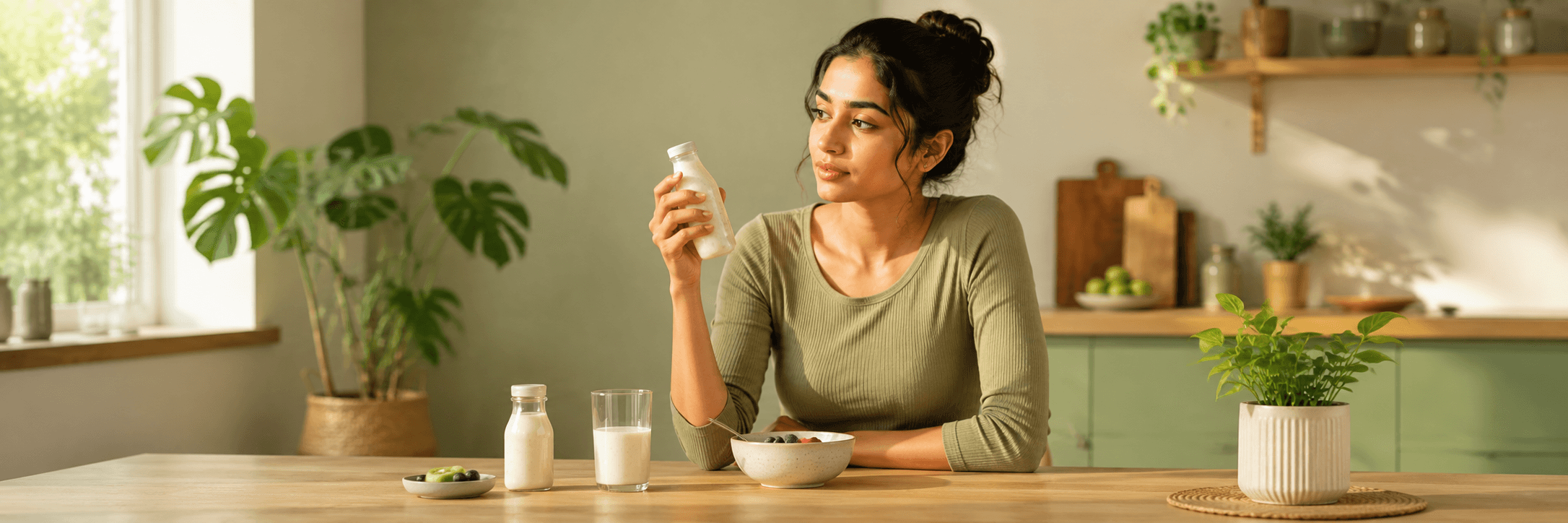
Are probiotic drinks good for you? Check the strain, CFU count, sugar and storage, and see how they compare with curd and supplements.
Read article
Muscle does not suddenly disappear at 30. Ageing gradually changes muscle fibres and their response to training, while work and long periods of sitting often reduce activity.
Read article
The gut and skin link is real but mostly indirect. Here is what actually moves acne, and what to fix before spending on gut-skin capsules.
Read article
When you bloat can matter as much as how it feels. Here is what a morning or evening pattern tends to reveal about your gut.
Read article
The morning warm water habit will not detox your gut, but it can help in smaller, real ways. Here is what genuinely supports digestion.
Read article
Plain water rarely bloats you. Here is what sparkling water, gulping too fast, temperature, TDS and alkaline water really do to your gut.
Read article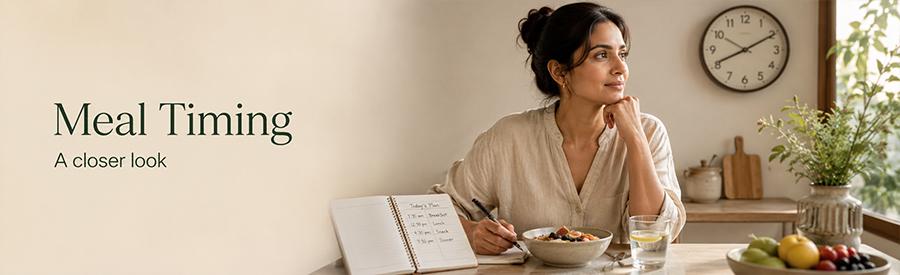
Meal timing can affect how you digest, sleep and feel. Here is what the evidence says about when to eat, and what matters more.
Read article
Sexual wellbeing depends on many systems. Here is how your gut may quietly shape energy, mood and circulation, and where the evidence stops.
Read article