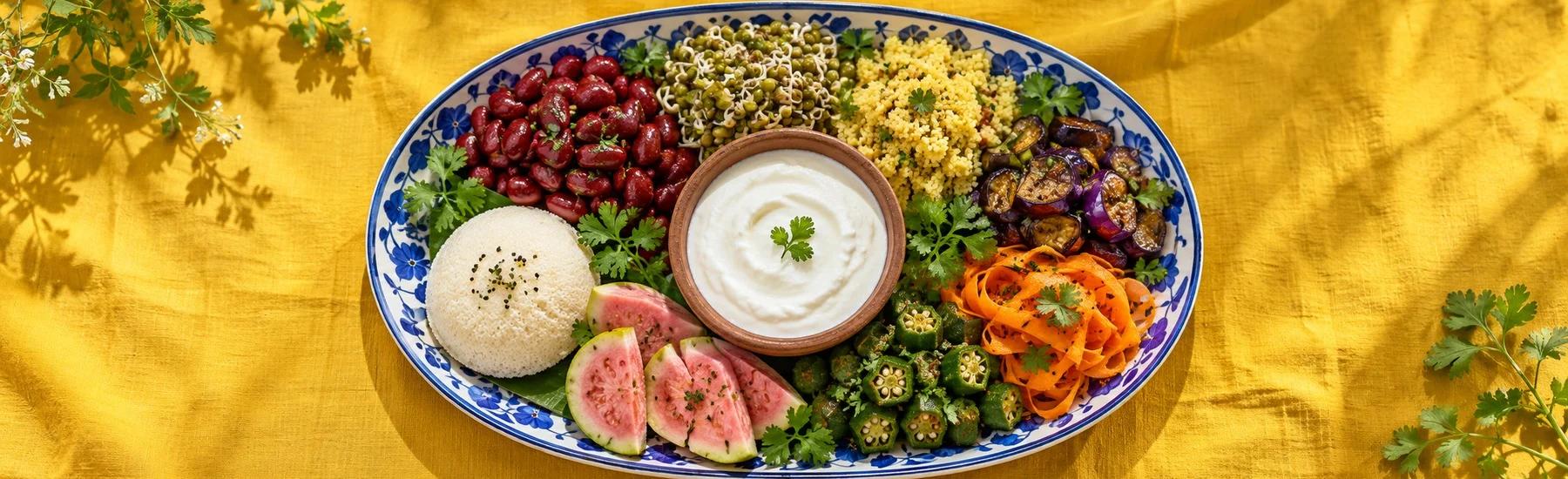
Fermented Foods for Gut Health: Curd, Idli, Kanji and More
Kombucha and kimchi are trending, but your kitchen has curd, idli and kanji. What fermented foods do for your gut and what the studies actually show.
In this article(13 sections)
- What counts as a fermented food?
- Are fermented foods the same as probiotics?
- What does the research say about fermented foods for gut health?
- Traditional Indian fermented foods that support gut health
- Curd and buttermilk
- Idli, dosa and dhokla
- Kanji and fermented vegetables
- What about kombucha and kefir?
- Easy ways to add fermented foods to your daily diet
- When should you be careful with fermented foods?
- When should you see a doctor?
- The oldest gut habit in the house
- Sources
Walk into a supermarket today, and you'll find kombucha in glass bottles, kimchi in jars and kefir in the refrigerated section. Social media is full of people recommending these foods for better digestion and a healthier gut. Some even come with a surprisingly high price tag. Yet you might already be eating fermented foods without giving them much thought. The curd setting in your kitchen, the idli batter left to ferment overnight and a freshly made dosa all have something in common with these trendy products.
They're made through fermentation, a natural process in which microorganisms such as bacteria and yeast change the food's composition. So, are fermented foods for gut health really as beneficial as people claim? Can everyday Indian foods offer similar benefits, or are imported options worth trying? The answer depends on the food, the microbes it contains and what research actually tells us about their effects on gut health.
What counts as a fermented food?
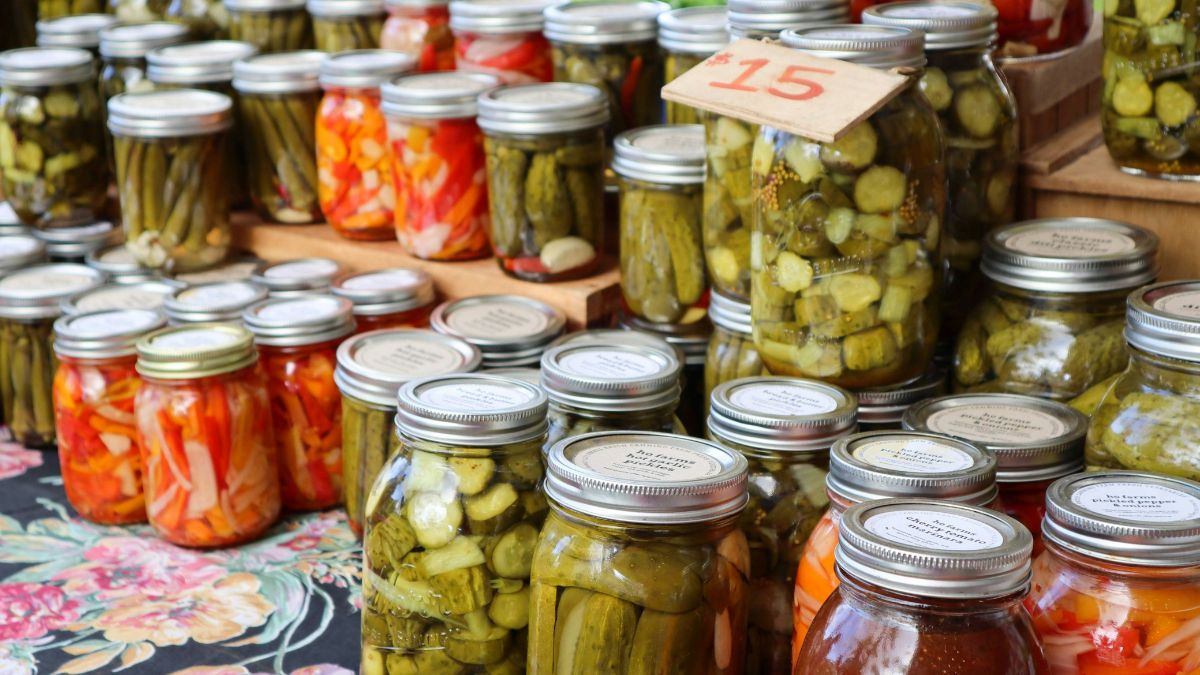
An international panel of scientists from the International Scientific Association for Probiotics and Prebiotics (ISAPP) set out a clear definition in 2021. Fermented foods are foods made through desired microbial growth and enzymatic conversions of food components. In simple words, bacteria or yeasts are allowed to grow in the food on purpose. They change it as they feed. That change is what turns milk into curd, rice and urad dal into idli batter and carrots into kanji. The microbes break down some of the sugars, make the food sour, help it keep longer and add new flavours.
Not every fermented food still has live microbes when you eat it. The same panel points out that foods such as bread are baked after fermentation, which kills the microbes. Idli, dosa and dhokla are steamed or cooked, so most of their microbes do not survive the heat either. They are still fermented foods. Fermentation has already changed them for the better. They are just not a source of live bacteria.
Are fermented foods the same as probiotics?
They overlap, but they are not the same. The ISAPP panel took care to separate the two. A probiotic is a live microbe, in a known amount, that has been shown to do you good. A fermented food may contain many live microbes, a few or none. The types and numbers vary from batch to batch and from home to home. Think of it this way. Homemade curd is a lively, changing mix. A probiotic capsule is a measured dose of named strains. Both have a place. Our Aora guide to probiotics vs prebiotics explains how live microbes and the fibre that feeds them work together.
What does the research say about fermented foods for gut health?
One of the most interesting studies on fermented foods came from Stanford University in 2021. Researchers followed 36 healthy adults for ten weeks, dividing them into two groups. One ate more fibre, while the other increased their intake of fermented foods such as yoghurt, kefir, kombucha and kimchi to around six servings a day. The results were encouraging. People in the fermented food group developed a greater variety of gut bacteria and showed reductions in several markers of inflammation. The high-fibre group did not show the same increase in bacterial diversity during the study.
Interestingly, yoghurt and fermented vegetable brine drinks were among the foods most strongly associated with greater gut bacterial diversity. For Indian readers, these are familiar concepts, similar to everyday foods such as curd and traditional fermented drinks like kanji. However, the study was small, with just 18 participants in each group. It also examined fermented foods commonly eaten in the United States, so we cannot assume every Indian fermented food produces the same results. What does this mean for you? Fermented foods may help support a more diverse gut microbiome, but the evidence is still developing. Including foods such as curd in a varied diet is a reasonable starting point, without needing to spend more on imported alternatives.
Traditional Indian fermented foods that support gut health
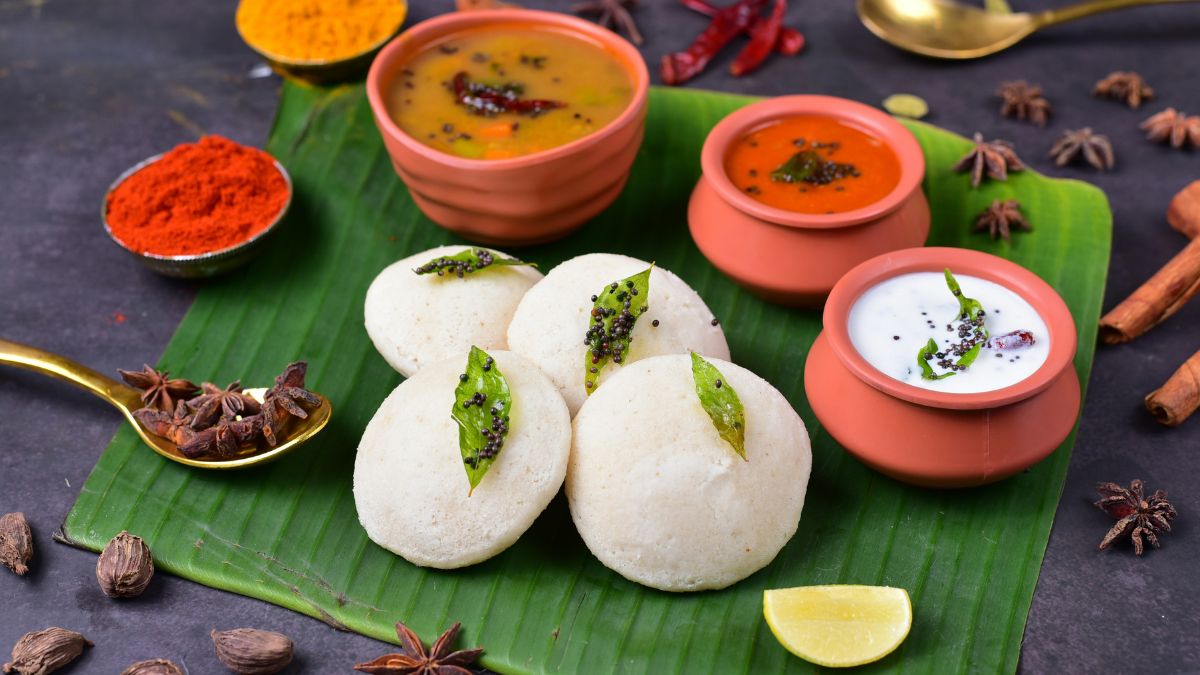
You don't have to look far to find fermented foods in India. From curd and buttermilk to idli batter and traditional vegetable drinks, fermentation has been part of Indian cooking for generations. A review by researchers at Pondicherry University highlights traditional foods such as dahi, gundruk, sinki and kanjika as sources of lactic acid bacteria, microorganisms involved in fermentation. The benefits vary depending on how each food is prepared and whether live microbes remain when you eat it. Here are some familiar options worth knowing about.
Curd and buttermilk
A bowl of homemade curd or a glass of chaas is one of the easiest ways to include fermented foods in your daily diet. When prepared with live cultures, both can contain beneficial bacteria. Curd may also be easier to digest than milk for some people with lactose intolerance because fermentation breaks down part of the milk sugar. Research supports this benefit for yoghurt containing specific live cultures, which can improve lactose digestion. However, the effect depends on the cultures present, so not every homemade curd will offer exactly the same benefit.
Idli, dosa and dhokla
These familiar breakfast foods are made using fermented batter. During fermentation, microorganisms break down some of the ingredients, changing the batter's texture, flavour and nutritional composition. A study examining idli batter found increases in certain B vitamins, including thiamine, riboflavin and folate, during fermentation. However, fermented doesn't always mean probiotic. Cooking idlis, dosas and dhokla destroys most of the live microbes, so they shouldn't be considered direct sources of live probiotic bacteria. They can still be part of a nutritious, balanced diet.
Kanji and fermented vegetables
Kanji is a traditional North Indian drink commonly prepared with black carrots, mustard seeds, salt and water. The mixture is left to ferment until it develops its characteristic tangy flavour. Other Indian regions have their own fermented vegetables. In Northeast India, for example, gundruk is made from fermented leafy greens, while bamboo shoots are fermented in several traditional preparations. These foods share similarities with kimchi and sauerkraut because they rely on microorganisms to develop their flavour and texture.
The main advantage is variety. Including different traditional fermented foods can add flavour and diversity to your diet without relying on expensive imported products. Just remember that their live bacterial content and health effects can vary, and safe preparation and storage are important.
What about kombucha and kefir?
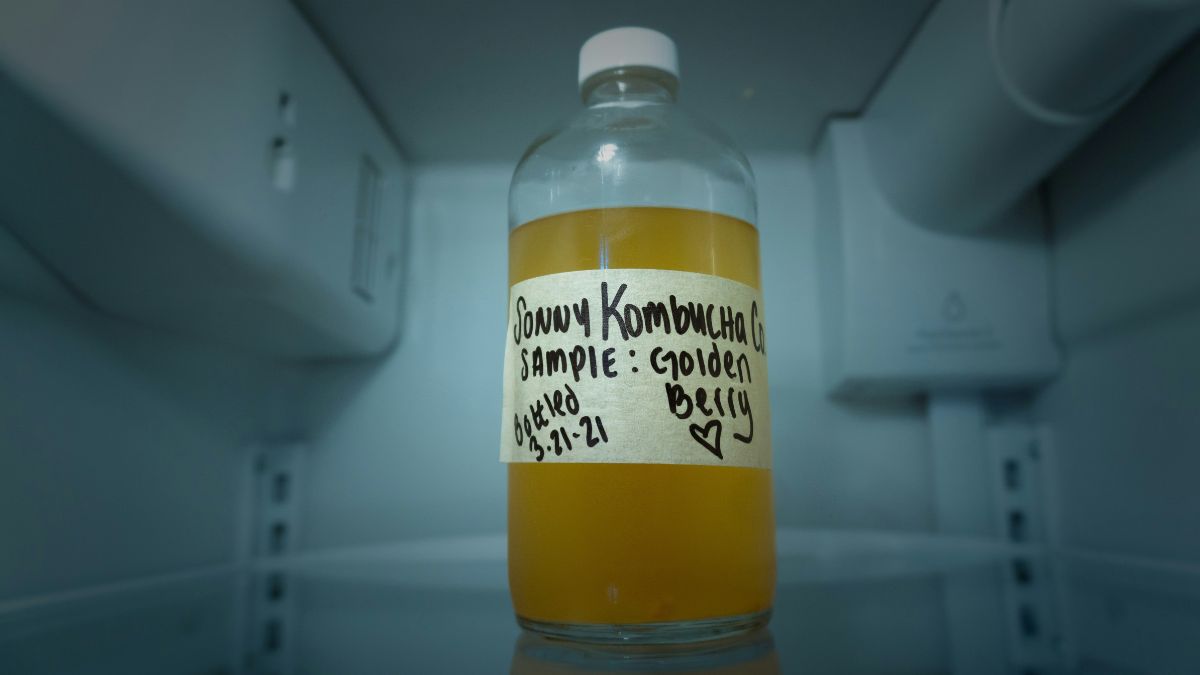
Kefir is a fermented milk drink with a longer history than its sudden fame suggests. A 2023 review of trials found it appears safe for generally healthy people, though the evidence for specific health effects is still limited. Kombucha is fermented sweet tea. When researchers searched the literature in 2018, they found only one study reporting its health effects in humans. Both can be part of a varied diet for healthy people. They are simply not more proven than the curd you already make at home. They also cost a good deal more.
Easy ways to add fermented foods to your daily diet
You don't need to change your entire diet or spend money on expensive fermented products. A few simple additions to your regular Indian meals can help you enjoy more variety.
Include curd with your meals. Have a small katori of homemade curd with lunch or dinner on most days, if you tolerate dairy well.
Choose chaas over sugary drinks. A glass of plain or lightly salted buttermilk makes a refreshing afternoon drink. Add roasted jeera or coriander for flavour.
Enjoy fermented breakfasts. Include idli, dosa, appam or dhokla in your weekly meals. Although cooking removes most live microbes, fermentation still changes the batter's composition.
Try traditional kanji. When black carrots are in season, properly prepared kanji can add variety to your diet. Follow safe fermentation and storage practices.
Keep pickles as a side dish. Traditional pickles can add flavour, but many contain plenty of salt and oil. Also, not all Indian pickles are naturally fermented or contain live bacteria.
Pair fermented foods with fibre. Include dal, vegetables, whole grains and fruits. Fibre helps nourish the beneficial bacteria already living in your gut.
Start with small portions, especially if you're not used to fermented foods. Increasing them too quickly may cause temporary gas or bloating. You don't need to eat every fermented food on this list. Choose what suits your taste, digestion and everyday routine.
Also read: Morning Bloating vs Evening Bloating: What the Timing Can Tell You.
When should you be careful with fermented foods?
Fermented foods are generally safe for healthy people, but a few precautions are worth keeping in mind.
Weakened immune system: If you're undergoing cancer treatment, have had an organ transplant or have a serious illness, speak to your doctor before taking probiotics or adding foods containing live cultures. The NCCIH warns that probiotics carry greater risks for people with weakened immune systems.
High blood pressure or kidney disease: Watch the salt content in pickles, kanji and salted buttermilk, especially if you've been advised to limit sodium.
Home fermentation: Use clean equipment and follow safe preparation methods. Discard anything with visible mould, a rotten smell or other unusual signs of spoilage.
Pregnancy: Avoid fermented dairy products made from unpasteurised milk. The NHS warns that these can carry harmful bacteria, including Listeria. Use pasteurised milk when making curd.
Probiotic supplements: If you take regular medicines or have an underlying condition, check with your doctor before starting a supplement.
When should you see a doctor?
Occasional bloating may settle on its own, but persistent or worrying digestive symptoms deserve medical attention. The NHS recommends:
Emergency care: If rectal bleeding is heavy or won't stop, or you notice large blood clots. Call 112 in India or visit the nearest emergency department.
Urgent medical attention: If your stool is black or dark red, or you have bloody diarrhoea.
A doctor's appointment: If blood in your stool lasts three weeks, bowel habits change for three weeks, or you experience unexplained weight loss, unusual tiredness, abdominal pain or a lump. Blood in a child's stool also needs medical assessment.
Also read:
Are Probiotic Supplements Safe? What You Should Know
IBS and Blood in Stool: What It Could Mean
The oldest gut habit in the house
The wellness world has rediscovered something your kitchen never forgot. The bowl of curd set with a spoon from the last batch, the batter left to rise near the stove and the jar of kanji in the winter sun were gut care long before anyone called them that. Keep them on your plate, add variety where you can and let the trend catch up with you.
Sources
The ISAPP consensus statement on fermented foods (Nat Rev Gastroenterol Hepatol, 2021)
Gut-microbiota-targeted diets modulate human immune status (Cell, 2021)
Medical Disclaimer: This article is for general information and is not a substitute for advice from your doctor. Speak to a qualified healthcare professional before starting any supplement, especially if you are pregnant, breastfeeding or taking medication.
Continue this topic
Connected guides, ingredient explainers, product context, and tools chosen from this article's topic cluster.
Bloating, acidity, probiotics, enzymes, microbiome basics
Reels promise a gut reset for belly fat. See what research on gut bacteria and weight really shows, what is unproven and how to feed your gut on an Indian plate.
That burn after a late heavy dinner is usually acid reflux. Learn why meals set it off, the habits that ease it, what antacids do and when to see a doctor.
Why your stomach churns before a big meeting. How your brain and gut talk to each other, what stress does to digestion and what helps calm a nervous gut.
Quick questions
Which Indian fermented foods are good for gut health?
Homemade curd, chaas and kanji bring live cultures to the plate. Idli, dosa, appam and dhokla are fermented too, though cooking kills most of their microbes. Fermentation still adds B vitamins to the batter.
Is curd a probiotic?
Curd is a fermented food that contains live cultures, but the type and number of microbes vary from batch to batch. A probiotic is a measured amount of named strains shown to have a benefit. Both can be part of a healthy routine.
How much fermented food should I eat in a day?
There is no official target. In a Stanford study, healthy adults ate about six servings a day for ten weeks and their gut microbes became more varied. A katori of curd daily plus fermented breakfasts a few times a week is an easy start.
Is kombucha better than curd for the gut?
Kombucha has very little human research behind it so far. Curd and other traditional ferments are cheaper, familiar and part of everyday Indian meals, so they are a sensible first choice.
Who should be careful with fermented foods?
People with a weak immune system should ask their doctor before adding live cultures or probiotics. Those with high blood pressure or kidney disease should watch the salt in pickles and kanji. Throw away any home ferment that smells rotten or grows mould.
11 linked sources checked against our citation and claim-safety process.
Reviewed 31 Oct 2026 for supplement-claim and medical-disclaimer boundaries.
Recommended from the Aora range
Aora Nutrivit Plus
19 Essential Nutrients with Zinc, Magnesium and Vitamins B Complex, C and D3
- Multivitamin
- Daily Foundation
- Made in India
From₹690.00
Try Aora - free
Put this article to work on you.
Health and safety notice
- This article is educational. It is not medical advice and is not a substitute for guidance from a qualified healthcare provider. Consult a physician before starting any supplement, especially during pregnancy or breastfeeding, with a medical condition, or while on medication.
- FSSAI compliance: Health supplements and nutraceuticals are not intended for medicinal use. Any supplement-related information is provided to describe nutritional or physiological support and should not be interpreted as a claim to diagnose, treat, cure, or prevent any disease. FSSAI regulates health supplements and nutraceuticals separately from medicinal products.
Read our full medical disclaimer and editorial policy.
Sources and editorial standards
- 1foods made through desired microbial growth and enzymatic conversions of food components
- 2bread are baked after fermentation, which kills the microbes
- 3around six servings a day
- 4greater variety of gut bacteria and showed reductions in several markers of inflammation
- 5review by researchers at Pondicherry University
- 6study examining idli batter
- 7appears safe for generally healthy people
- 8only one study reporting its health effects in humans
- 9NCCIH
- 10NHS
- 11NHS
Supplement content is educational only and should not replace medical advice from a qualified clinician. Product mentions are reviewed for claim safety before publication.