Beetroot Juice Benefits: Stamina, Blood Pressure and More
Beetroot juice is everywhere, from runners to juice stalls. How its nitrate helps blood pressure and stamina, why mouthwash matters and how to drink it.

In this article(9 sections)
Beetroot has always been a familiar part of Indian meals, whether it's in a poriyal, salad or halwa. These days, though, it's finding its way into morning juices and pre-workout drinks. From runners carrying beetroot shots to fitness enthusiasts recommending them for stamina, this humble vegetable is getting plenty of attention. So, what are the real beetroot juice benefits, and does the research support them? Much of the interest comes from naturally occurring nitrates in beetroot. Your body converts these into nitric oxide, a substance that helps relax and widen blood vessels. This may help lower blood pressure and improve exercise performance in some people. The research is promising in certain areas, but drinking beetroot juice isn't a solution for every health concern. Here's what the studies have found, how beetroot juice works and what to know before making it part of your daily routine.
How does beetroot juice work in the body?

Beetroot is naturally rich in dietary nitrate. Leafy greens such as spinach also carry it. What happens after you drink it is a neat piece of teamwork inside your body.
Nitrate from the juice is absorbed into your blood.
Your salivary glands collect some of it and send it back into your mouth.
Friendly bacteria living on your tongue convert that nitrate into nitrite.
When you swallow, nitrite is turned into nitric oxide in the body.
Nitric oxide signals the walls of your blood vessels to relax, so blood flows more easily.
A strong antibacterial mouthwash, which kills the bacteria in step three, blunts the effect. In one study, 12 healthy men drank 140 ml of beet juice and then rinsed with different mouthwashes. An antibacterial mouthwash lowered the nitrite in their saliva and blood and changed how their blood pressure responded. So if you drink beetroot juice for its benefits, consider skipping strong antibacterial mouthwash around the time you drink it.
Beetroot juice and blood pressure
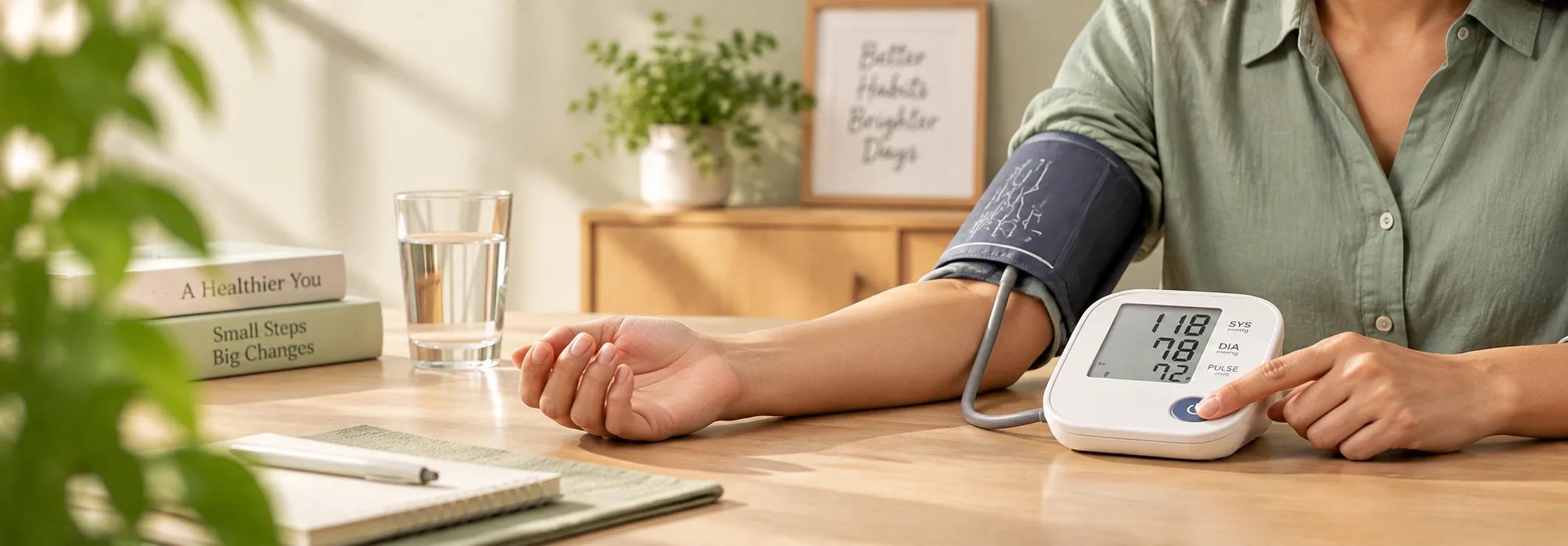
Blood pressure is where much of the research sits. In a meta-analysis of 16 short trials with 254 people, systolic blood pressure was about 4.4 mmHg lower with nitrate and beetroot juice than with placebo. Systolic is the top number on your reading. A 2022 review looked only at people who already had high blood pressure. Across seven small trials using 70 to 250 ml of beetroot juice a day, systolic readings were about 5 mmHg lower than in the control groups. A drop of about five points sits well alongside the everyday habits that help blood pressure: less salt, more walking, steady weight and good sleep. Beetroot juice is a food, not a medicine. If you take tablets for blood pressure, keep taking them and tell your doctor before adding beetroot juice every day, since both act on blood pressure. Checking your own numbers at home helps you see what is working. Our Aora guide on how to measure blood pressure at home shows you how to get a reading you can trust.
Beetroot juice for stamina and exercise
Better blood flow means a steadier supply of oxygen to working muscles. That is the idea behind the trend among runners and cyclists. A 2025 umbrella review brought together 20 earlier reviews covering 180 studies and 2,672 people. Nitrate supplementation improved how long people could keep going before exhaustion, along with muscular endurance, total distance covered and peak power. Gains in time to exhaustion were larger when people took at least 6 mmol of nitrate a day, about 372 mg, for more than three days in a row. In everyday terms, that means a daily dose over several days before a long run, a trek or a cycling event, rather than a single glass on the day. If you train regularly, recovery matters as much as the effort itself. Our guide on not recovering well after exercise covers sleep, protein and rest.
How to drink beetroot juice
Some simple ways to drink it:
Amount: the blood pressure trials used 70 to 250 ml a day. Start with a small glass and see how your stomach feels.
Make it tasty: blend beetroot with carrot, amla, ginger, a squeeze of lemon or a little mint. Many families in North India also make kanji, a tangy fermented drink of black carrot and beetroot, around Holi.
Keep it fresh: drink it soon after making it.
Eat the whole vegetable too: grated beetroot in a salad, a poriyal or a raita gives you fibre along with the nitrate.
Mind the mouthwash: as explained above, your mouth bacteria do an important part of the work.
Is whole beetroot as good as the juice?
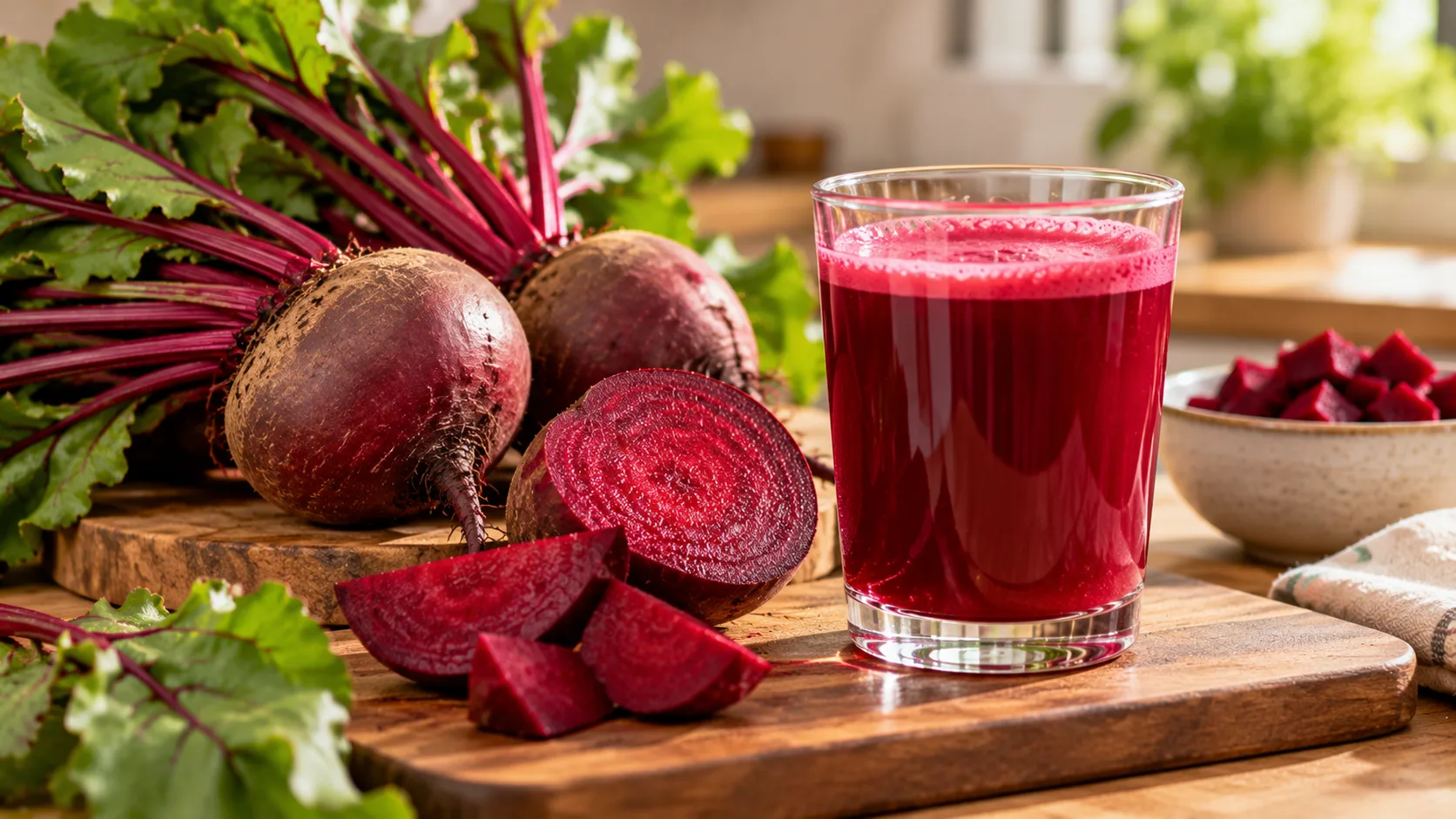
Whole beetroot carries nitrate too. You simply eat it more slowly and get the fibre along with it. The juice is a concentrated form, so it is easier to take a large amount in one sitting. In an Indian kitchen, the whole vegetable is easy to use every day.
A South Indian beetroot poriyal with grated coconut and curry leaves
Beetroot raita with curd, roasted jeera and a pinch of salt
Beetroot and potato cutlets for a tiffin box
Grated beetroot kneaded into roti or paratha dough, which turns it a cheerful pink
A small bowl of kanji with lunch
For one glass of juice at home, peel one medium beetroot and one carrot. Add a small piece of ginger, a few mint leaves and a little water. Blend, strain if you like and finish with a squeeze of lemon. Drink it fresh. If you feel full or bloated after juice, switch to the whole vegetable in your meals for a while. Both count.
Pink urine after beetroot is common
Many people panic the first time they see pink or red urine after a beetroot day. This is called beeturia. It comes from natural red pigments in beetroot called betacyanins and happens in about 10% to 14% of people. Older ideas that it meant a food allergy or a urine infection were later shown to be wrong. The same review notes it is seen more often in people who are low in iron, so if it happens to you every time, a simple iron test is worth asking your doctor about. If you see red urine and have not eaten beetroot, the NHS advises asking for an urgent GP appointment if you have, or think you may have, blood in your pee. It also notes that a new medicine can turn pee red or brown.
Who should check with a doctor first?
Beetroot is an everyday vegetable, but a daily glass of juice is a larger amount. If you take medicine for blood pressure, tell your doctor before drinking it daily, since both act on blood pressure. On kidney stones, the National Kidney Foundation lists beets among the very high oxalate foods that people with high urine oxalate may need to limit. If you have had kidney stones, ask your doctor whether that applies to you. Juice also contains natural sugar without the fibre of the whole vegetable. As with any big change to your diet, speak to your doctor first if you are pregnant or have a long-term condition. If you watch your blood sugar, you may prefer whole beetroot in a meal, which keeps its fibre. Ask your doctor what suits you. Our guide on walking after meals explains another easy habit that helps.
A humble vegetable with a clever trick
For years, beetroot was the vegetable Indian children pushed to the side of the plate. Now we know it carries a clever mechanism, a partnership between the plant, the bacteria in your mouth and the walls of your blood vessels. So make the juice, add some amla and ginger and hold off on the mouthwash. Your blood vessels and your legs both get something good from it.
Sources
Medical Disclaimer: This article is for general information and is not a substitute for advice from your doctor. Speak to a qualified healthcare professional before starting any supplement, especially if you are pregnant, breastfeeding or taking medication.
Continue this topic
Connected guides, ingredient explainers, product context, and tools chosen from this article's topic cluster.
Blood pressure, cholesterol, salt, stamina, omega-3
Relevant for antioxidant and liver-support education, which heart articles often touch.
Relevant for daily micronutrient coverage alongside a heart-healthy routine.
Small details such as your sitting position, cuff size or a cup of coffee before measuring can affect a home blood pressure reading. Here is how to check it properly and get more useful results.
Try 9 simple balance exercises for older adults to improve stability, confidence and fall prevention, with safety tips and easy progressions.
Try 10 beginner-friendly knee strengthening exercises at home with clear instructions, easier options and safe ways to progress.
Quick questions
Does beetroot juice help blood pressure?
Beetroot juice supports healthy blood pressure through its natural nitrate. In a meta-analysis of 16 trials, systolic readings were about 4.4 mmHg lower than with placebo. If you take blood pressure medicine, tell your doctor before drinking it daily.
How should I take beetroot juice for exercise?
Gains in time to exhaustion were larger when people took at least 6 mmol of nitrate a day, about 372 mg, for more than three days in a row. So plan a daily dose over several days before a long run or ride, rather than a single glass on the day. Consider skipping strong antibacterial mouthwash around the time you drink it, because mouth bacteria help convert the nitrate.
Is pink urine after beetroot normal?
Yes, it is common. It is called beeturia, comes from natural red pigments in beetroot and happens in about 10% to 14% of people. It is seen more often in people who are low in iron. If you see red urine without eating beetroot, the NHS advises asking for an urgent GP appointment if you have, or think you may have, blood in your pee.
Can diabetics drink beetroot juice?
Juice contains natural sugar without the fibre of the whole vegetable. People with diabetes may prefer whole beetroot in a meal, which keeps its fibre. Ask your doctor about the right amount for you.
How much beetroot juice should I drink a day?
Blood pressure trials used 70 to 250 ml a day. Start with a small glass and see how your stomach feels.
7 linked sources checked against our citation and claim-safety process.
Reviewed 29 Oct 2026 for supplement-claim and medical-disclaimer boundaries.
Recommended from the Aora range
Aora Nutrivit Plus
19 Essential Nutrients with Zinc, Magnesium and Vitamins B Complex, C and D3
- Multivitamin
- Daily Foundation
- Made in India
From₹690.00
Try Aora - free
Put this article to work on you.
Health and safety notice
- This article is educational. It is not medical advice and is not a substitute for guidance from a qualified healthcare provider. Consult a physician before starting any supplement, especially during pregnancy or breastfeeding, with a medical condition, or while on medication.
- FSSAI compliance: Health supplements and nutraceuticals are not intended for medicinal use. Any supplement-related information is provided to describe nutritional or physiological support and should not be interpreted as a claim to diagnose, treat, cure, or prevent any disease. FSSAI regulates health supplements and nutraceuticals separately from medicinal products.
Read our full medical disclaimer and editorial policy.
Sources and editorial standards
- 1An antibacterial mouthwash lowered the nitrite in their saliva and blood
- 2about 4.4 mmHg lower with nitrate and beetroot juice than with placebo
- 3systolic readings were about 5 mmHg lower than in the control groups
- 4improved how long people could keep going before exhaustion
- 5happens in about 10% to 14% of people
- 6asking for an urgent GP appointment
- 7National Kidney Foundation
Supplement content is educational only and should not replace medical advice from a qualified clinician. Product mentions are reviewed for claim safety before publication.