
Brittle Nails Causes: Why Your Nails Split and What Helps
Nails that peel, split or snap? Common causes are water, detergent and acetone. Learn what helps, what biotin can do and which nail signs need a doctor.
In this article(14 sections)
- What brittle nails actually look like
- Why are my nails breaking so easily?
- Wet and dry, again and again
- Detergents, acetone and nail art
- Age and weather
- Medical causes to rule out
- What your nail changes may be telling you
- Do white spots mean calcium deficiency?
- What actually helps brittle nails
- What does biotin do for nails?
- Brittle hair and nails at the same time
- Tell your lab before a blood test
- When to see a doctor
- Sources
Do your nails keep breaking, peeling or splitting, even when you try to take care of them? It can be frustrating, especially when they seem to break just as they start growing. The good news is that most brittle nails causes are quite ordinary. Frequent handwashing, exposure to detergents, nail polish removers and ageing can all make nails dry and more likely to break. Sometimes, though, brittle nails may be linked to iron deficiency, thyroid problems, fungal infections or psoriasis. In fact, a review found that up to 20% of people experience brittle nails, particularly women over 50. Fingernails are also more commonly affected than toenails. So, how can you tell whether your nails simply need better care or whether something else is going on? Understanding what's causing the problem is the first step towards finding a solution that actually helps.
What brittle nails actually look like
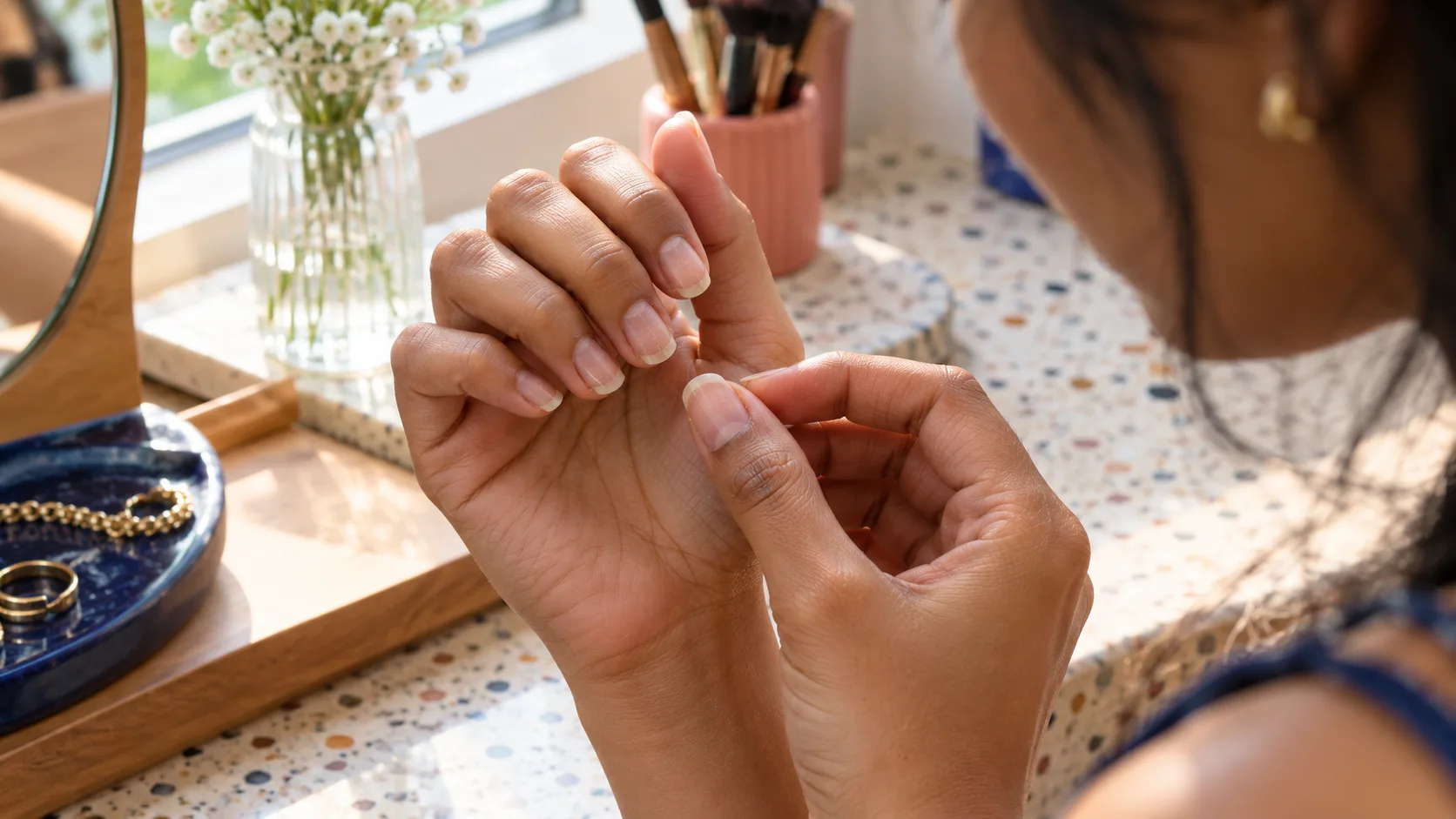
Doctors use the word brittle for a few different patterns. Knowing yours helps.
The tip peels into thin layers, like pages of a book. This is called onychoschizia. It usually starts at the free edge.
Lines run lengthwise down the nail and the tip splits along one of them. This is called onychorrhexis.
The nail feels soft, bends easily and tears before you can grow it out.
The surface looks rough or chalky in patches.
Many people have more than one of these at once. The same review divides brittle nails into two kinds: a common type with no clear cause and a type that comes from something else such as infection, a skin condition, a body-wide illness or repeated damage.
Why are my nails breaking so easily?
Before looking for a vitamin deficiency or trying a nail-strengthening product, think about what your hands go through every day. Washing dishes, doing laundry, using cleaning products and even frequent handwashing can slowly weaken your nails. These everyday habits are among the most common reasons nails become brittle. However, sometimes the cause is related to ageing, changes in the weather or an underlying health condition. Here's how each of these factors can affect your nails and what signs to look out for.
Wet and dry, again and again
Washing steel utensils, kadhais and tiffin boxes by hand means your fingers soak and dry many times a day. The nail plate swells with water, then shrinks as it dries. Repeat that for months and the layers of the nail start to come apart. The NHS lists hands often being in water or cleaning products among the main causes of nail problems. MedlinePlus also notes that long-term exposure to moisture or nail polish can make nails peel and turn brittle. Washing clothes by hand with bar soap or detergent powder does the same thing, often with harsher chemicals. So does rinsing vegetables, mopping floors and bathing children. None of this is wrong. It just explains why nails often get worse in homes where one person does most of the wet work.
Detergents, acetone and nail art
Dishwashing liquids and detergent powders strip oil from both skin and nails. Acetone remover is even stronger. If you change your polish every week for office, a wedding and then a puja, the remover may be doing more damage than the polish. Gel polish that is scraped off, or press-on nails pulled off, can lift away thin layers of nail with it. Mehendi is a different case. Natural henna stains the nail plate orange or brown, which usually grows out without harm. Repeated soaking during long mehendi sessions and festival cooking can add to the wet and dry stress, though.
Age and weather
Nails change as you get older. The NHS says it is normal for nails to become thicker or break more easily with age. They can also change during pregnancy. Dry winter air in north India and long hours under an air conditioner pull moisture out of the nail as well.
Medical causes to rule out
Sometimes, brittle nails can be a sign of an underlying health problem. The NHS lists psoriasis, iron deficiency anaemia, thyroid problems, diabetes and certain medicines as possible causes. According to MedlinePlus, both an overactive and underactive thyroid can make nails brittle or cause them to lift away from the nail bed. Iron deficiency is particularly common among Indian women, especially those with heavy periods, during pregnancy or when their diet lacks iron-rich foods. If your nails keep breaking and you also feel unusually tired, get breathless while climbing stairs or notice pale skin, speak to a doctor about a blood test. Fungal infections look a little different. Instead of thin, peeling nails, you may notice nails becoming thick, yellow or crumbly. Often, only one or two nails are affected. These changes need proper diagnosis and treatment, as moisturising alone won't clear a fungal infection.
Also read: Iron Deficiency in Women: Symptoms and When to Get Tested.
What your nail changes may be telling you
Many nail marks are harmless. A few are worth noticing.
Spoon-shaped nails that curve upward like a small bowl, called koilonychia, can be a sign of iron deficiency anaemia. This one deserves a blood test.
Small dents or pits in the surface can be linked to psoriasis, eczema or alopecia, a condition that causes patchy hair loss.
Deep grooves running across the nail, called Beau's lines, can appear after a bad fever or illness. They should grow out as the nail grows.
Fine lengthwise ridges are common and become more visible with age. On their own they are usually not a concern.
A dark brown or black streak running down the nail should be shown to a doctor. MedlinePlus notes that subungual melanoma, a potentially deadly cancer under the nail, will normally appear as a dark streak down the length of the nail.
Do white spots mean calcium deficiency?
This is a common nail myth in Indian homes. The small white spots you see are usually from minor knocks to the base of the nail. DermNet, a dermatology reference run by doctors, describes these spots as usually the result of trauma and says they disappear as the nail grows out over about 6 to 9 months. Banging your hand on a drawer or pushing back cuticles hard is enough. Drinking extra milk will not change them.
What actually helps brittle nails

Nails take time to grow, so don't expect them to become stronger overnight. Even with better care, it may take several months to notice a difference as healthier nails grow from the base. Here are six simple ways to protect your nails and prevent further damage.
Wear gloves when doing household chores. The NHS recommends wearing gloves when washing dishes or handling cleaning products. Cotton-lined rubber or nitrile gloves may feel more comfortable. Remove them if your hands become sweaty.
Moisturise after washing your hands. Apply hand cream, coconut oil or petroleum jelly to your nails and cuticles too. Make it a habit after washing dishes and before going to bed.
Keep your nails short. Short nails are less likely to catch on things and break. Use a fine nail file and gently file in one direction rather than rubbing back and forth.
Take a break from nail polish. Frequent use of acetone-based removers can dry out your nails. Try an acetone-free remover and leave some time between manicures.
Avoid cutting your cuticles. Cuticles help protect the base of your nails from infection. Cutting or pushing them back too aggressively can cause damage.
Stop using your nails as tools. Opening packets, scraping stickers or lifting tight lids can easily split already weak nails. Use a proper tool instead.
Your diet matters too. Getting enough protein from foods like dal, paneer, eggs, curd and fish, along with iron-rich foods, supports healthy nail growth. Supplements are usually unnecessary unless you have a nutrient deficiency.
Also read: Whether You Need a Zinc Supplement
What does biotin do for nails?
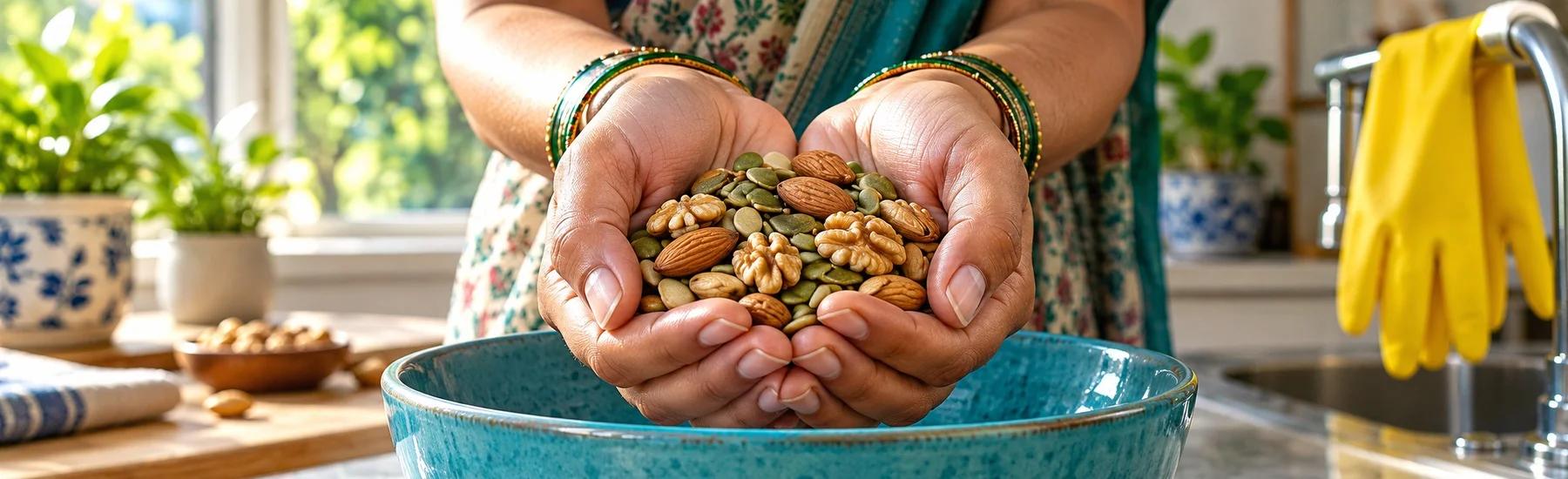
Biotin is a B vitamin found in eggs, nuts, seeds and some pulses. It supports the keratin that your nails are made of and appears in many hair and nail supplements. The nail specialists' review lists biotin among the options reported to be useful for brittle nails, alongside treating the cause. Whatever you try, fix the daily routine first, because gloves and moisturiser protect the new nail as it grows. We cover the hair side of this question in do hair growth supplements work.
Brittle hair and nails at the same time
If your hair is also dry and snapping, the same habits often play a part: harsh shampoos, heat styling and rough towel drying. Our guide on how to prevent hair breakage covers that. When hair is thinning or falling out from the root along with weak nails, think about iron, thyroid and recent illness or weight loss. Then get checked.
Tell your lab before a blood test
This part is often missed. High doses of biotin can disturb certain blood tests that use a biotin-based method. In a study of 13 adults who took 10 mg of biotin a day for eight days, thyroid results such as TSH changed significantly on one common lab machine. Thyroid tests are exactly what a doctor may order for brittle nails. Tell your doctor and the lab if you take any supplement with biotin. Ask whether you should pause it for a few days before the sample is taken.
When to see a doctor
The NHS recommends seeing a doctor if your nails change colour or shape, fall off without a clear reason, or if the skin around them becomes red, swollen, warm or painful. These changes could be signs of an infection or another health problem. According to MedlinePlus, you should also get your nails checked if you notice unusual ridges, white lines, pits, peeling, pain, ingrown nails or changes such as pale, blue or unusually curved nails. Seek medical advice promptly if you notice thin, dark lines under your nails that look like splinters, or a dark streak that extends onto the cuticle. The latter can sometimes be a warning sign of nail melanoma, a type of skin cancer. If your nails remain brittle despite using gloves, moisturising regularly and avoiding harsh products, speak to a doctor or dermatologist. Depending on your symptoms, they may recommend blood tests, imaging or a closer examination of your nails to find the cause.
The good news is that brittle nails often improve with a little extra care. Something as simple as wearing gloves while washing dishes and keeping a moisturiser by the sink can make a difference. Just give your nails time. They grow slowly, so it may take a few months to notice healthier, stronger nails growing from the base. Small changes to your everyday routine may be all they need.
Sources
Medical Disclaimer: This article is for general information and is not a substitute for advice from your doctor. Speak to a qualified healthcare professional before starting any supplement, especially if you are pregnant, breastfeeding or taking medication.
Continue this topic
Connected guides, ingredient explainers, product context, and tools chosen from this article's topic cluster.
Hair fall, biotin, collagen, scalp, acne, glow, brittle nails
Relevant for hair strength and hair-fall routines.
Your haemoglobin is normal but your hair keeps falling. This guide explains what ferritin means, what level the research points to and how to raise it safely.
Hair growth supplements are most useful when a genuine nutritional gap is contributing to hair loss. Learn what the evidence says about biotin, iron, zinc and other nutrients.
Iron deficiency begins when stored iron runs low, sometimes before haemoglobin falls enough for anaemia to develop. Fatigue, weakness, headaches and poor concentration may occur, but these symptoms have many causes.
Quick questions
How long does it take for brittle nails to get better?
A fingernail takes several months to grow out fully, so changes show slowly. Give gloves and regular moisturising several months before you expect the new nail near the base to look stronger. Judge any change by the new growth, not by the old tip.
Is coconut oil good for brittle nails?
Coconut oil works as a simple moisturiser for nails and cuticles. Rubbing it in after washing and at bedtime helps the nail hold on to moisture. Any plain hand cream or petroleum jelly does the same job, so use whichever you will keep using.
Can a vitamin D or calcium deficiency cause brittle nails?
Calcium is not the main building block of nails, which are mostly made of a protein called keratin. White spots on nails are also not a sign of low calcium. If you are worried about a deficiency, a blood test ordered by a doctor is more useful than guessing from your nails.
Are gel nails and nail extensions bad for brittle nails?
They can make things worse if the nail is already weak. Scraping off gel polish or pulling off extensions can lift away thin layers of the nail plate. If you love them for functions, have them removed properly at a salon and give your nails breaks in between.
Do brittle toenails mean the same thing as brittle fingernails?
It is not always dryness. A toenail that turns thick, yellow or crumbly can be a fungal infection rather than simple dryness. Fungal nails need a proper diagnosis, so show them to a doctor instead of treating them with creams at home.
5 linked sources checked against our citation and claim-safety process.
Reviewed 29 Oct 2026 for supplement-claim and medical-disclaimer boundaries.
Recommended from the Aora range
Aora Chamrose
Chamomile, Rosemary & Jatamansi Extract
- Hair Care
- Hair Support
- Made in India
From₹960.00
Try Aora - free
Put this article to work on you.
Health and safety notice
- This article is educational. It is not medical advice and is not a substitute for guidance from a qualified healthcare provider. Consult a physician before starting any supplement, especially during pregnancy or breastfeeding, with a medical condition, or while on medication.
- FSSAI compliance: Health supplements and nutraceuticals are not intended for medicinal use. Any supplement-related information is provided to describe nutritional or physiological support and should not be interpreted as a claim to diagnose, treat, cure, or prevent any disease. FSSAI regulates health supplements and nutraceuticals separately from medicinal products.
Read our full medical disclaimer and editorial policy.
Sources and editorial standards
- 1review found that up to 20% of people experience brittle nails
- 2hands often being in water or cleaning products
- 3long-term exposure to moisture or nail polish can make nails peel
- 4usually the result of trauma
- 5study of 13 adults who took 10 mg of biotin a day for eight days
Supplement content is educational only and should not replace medical advice from a qualified clinician. Product mentions are reviewed for claim safety before publication.